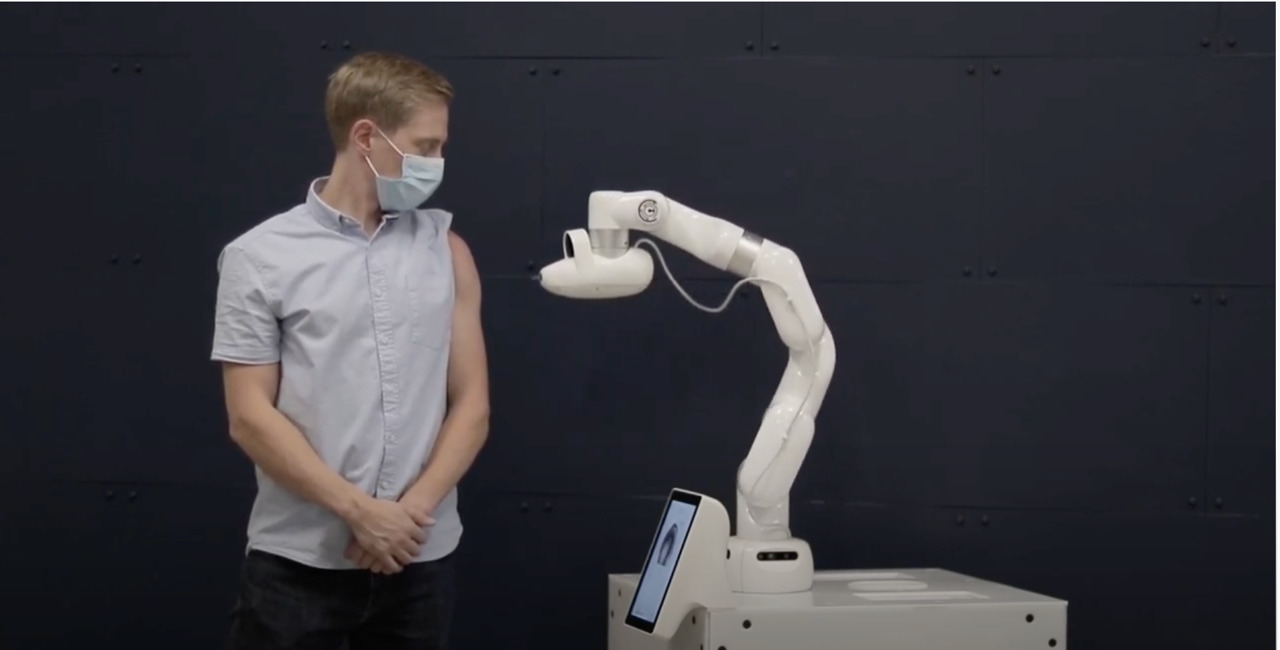
The rapid evolution of industrial automation has been marked by the integration of advanced technologies, and injection robots have emerged as a cornerstone of this transformation. These robots, specifically designed to enhance plastic injection moulding, are revolutionizing manufacturing by improving precision, productivity, and overall efficiency. As industries strive to meet increasing demands for high-quality products while minimizing costs, injection robots are becoming indispensable.
The Role of Injection Robots in Modern Manufacturing
Injection robots are designed to automate and optimize the handling of moulded parts during plastic injection moulding. These robots perform parts removal, quality inspection, and stacking quickly and precisely. By replacing manual operations, they eliminate errors caused by human fatigue and inconsistency, ensuring uniformity in every cycle.
The application of injection robots extends beyond efficiency. By automating repetitive tasks, these robots free up human operators to focus on higher-value activities such as process optimization, machine maintenance, and quality control. This shift enhances overall productivity and fosters a safer working environment by reducing exposure to hazardous conditions.
Enhancing Precision in Manufacturing
Precision is a critical factor in modern manufacturing, particularly in industries such as automotive, electronics, and medical devices. Injection robots are equipped with advanced sensors, actuators, and software algorithms that allow them to operate with micron-level accuracy. This precision ensures that even the most intricate parts are manufactured to exact specifications, reducing the need for rework and material wastage.
Moreover, injection robots’ ability to replicate complex movements and tasks consistently over extended periods is instrumental in achieving high-quality outputs. Their integration with injection moulding machines allows for seamless synchronization, enabling manufacturers to produce complex designs with minimal error margins.
Driving Productivity Gains
One of the most significant benefits of injection robots is their ability to enhance productivity. Traditional manual handling of injection moulding can be time-consuming and prone to inefficiencies. Injection Robot operate at high speeds, significantly reducing cycle times and increasing output. They can handle multiple tasks simultaneously, such as part removal and assembly, further streamlining production processes.
The adoption of injection robots also leads to fewer production interruptions. Unlike human workers, robots do not require breaks or rest, allowing continuous operation. This capability is particularly advantageous in industries with high-volume production demands, where downtime can result in significant financial losses.
Supporting Industry 4.0 Integration
As manufacturers embrace Industry 4.0 principles, the role of injection robots becomes even more pivotal. These robots increasingly integrate with IoT (Internet of Things) systems, enabling real-time data collection and analysis. By monitoring parameters such as temperature, pressure, and cycle time, manufacturers can gain valuable insights into their processes and identify areas for improvement.
Additionally, advanced injection robots are equipped with machine learning capabilities, allowing them to adapt to changing production requirements. This adaptability ensures manufacturers respond quickly to market demands without compromising quality or efficiency.
Sustainability and Resource Efficiency
Sustainability is a growing concern in modern manufacturing, and injection robots contribute to this goal in several ways. These robots help manufacturers minimize their environmental footprint by optimizing material usage and reducing waste. Their precision also ensures fewer defective parts are produced, reducing material consumption.
Moreover, the energy efficiency of modern injection robots aligns with global efforts to reduce industrial energy consumption. Many robots are designed with energy-saving features such as regenerative braking and efficient power management systems, making them a sustainable choice for manufacturers.
Overcoming Challenges in Robot Integration
While the benefits of injection robots are undeniable, their implementation does come with challenges. High initial costs and the need for specialized training can be barriers for some manufacturers. Additionally, integrating robots into existing production lines requires careful planning to avoid disruptions.
To address these challenges, manufacturers should adopt a phased approach to automation. By starting with smaller-scale implementations and gradually scaling up, they can minimize risks and ensure a smoother transition. Partnering with experienced automation providers can also facilitate the process by offering tailored solutions and technical support.
The Future of Injection Robots in Industrial Automation
The future of injection robots is bright, with ongoing advancements in robotics and artificial intelligence driving their capabilities to new heights. Emerging technologies such as collaborative robots (cobots) are making automation more accessible by allowing robots to work alongside humans safely. These cobots can be programmed with minimal effort, enabling even small manufacturers to benefit from automation.
Furthermore, the integration of 5G technology is expected to enhance the connectivity and responsiveness of injection robots. With faster data transmission and lower latency, manufacturers can achieve even greater precision and efficiency in their operations.
Injection robots are at the forefront
Injection robots are at the forefront of industrial automation, transforming the manufacturing landscape with unparalleled precision and productivity. As industries continue to evolve, adopting these robots will play a crucial role in meeting the demands of modern production. By embracing injection robots, manufacturers can unlock new levels of efficiency, sustainability, and innovation, shaping a future where automation and human ingenuity go hand in hand.