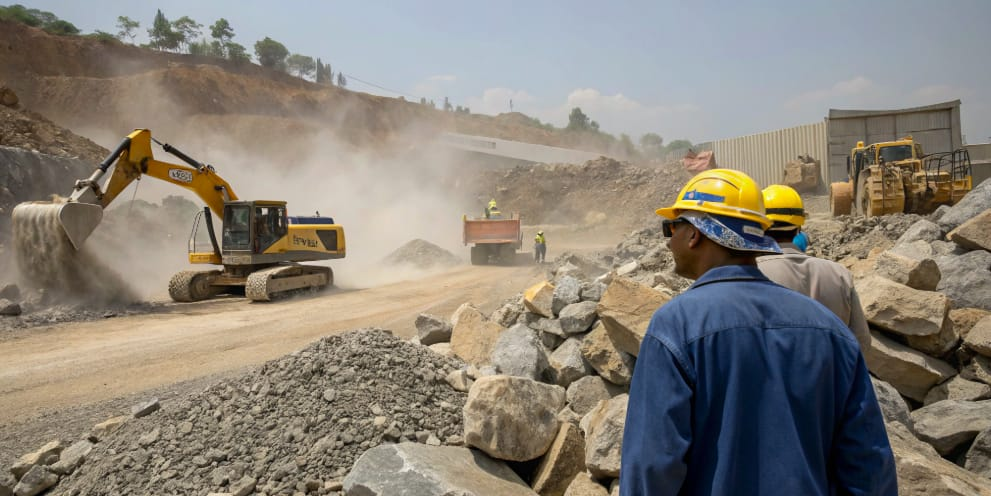
Rock crushers play a crucial role in various industries, including mining, construction, and aggregate production. However, they also contribute significantly to noise pollution, affecting workers, nearby communities, and the overall environment. Whether utilizing stationary or mobile crushers, implementing effective rock crusher noise reduction strategies is essential to minimize disturbances and comply with regulations. This article explores how to minimize crusher noise pollution and presents best practices for reducing crusher noise in crushing operations.
The Impact of Noise Pollution in Rock Crushing
Excessive noise from rock crushers can cause several problems, including:
- Health risks for workers – Prolonged exposure to high noise levels can lead to hearing loss, stress, and other health issues.
- Community disturbances – Residents near crushing sites may experience noise-related disruptions, leading to complaints or legal actions.
- Operational inefficiencies – High noise levels can indicate excessive vibrations, misalignment, or equipment inefficiencies.
- Regulatory compliance issues – Many industries must adhere to noise level restrictions to avoid penalties or shutdowns.
Understanding these impacts highlights the need for comprehensive noise control in crushing operations to maintain a safe and efficient working environment.
How to Minimize Crusher Noise Pollution
Reducing noise pollution from rock crushers involves several strategies that target the source, transmission, and reception of noise.
1. Engineering Controls and Equipment Modifications
- Vibration Isolation: Placing rock crushers on vibration-absorbing mounts can significantly reduce noise transmission to surrounding structures.
- Soundproof Enclosures: Installing noise barriers or enclosures around crushers helps contain noise and prevent it from spreading.
- Damping Materials: Using rubber linings, acoustic foam, or other sound-dampening materials on machinery reduces noise generated by metal-to-metal contact.
- Upgraded Components: Switching to newer, low-noise crushing equipment or upgrading older models can enhance operational efficiency and noise control.
2. Optimized Operational Practices
- Reduced Operating Speeds: Lowering crusher speeds can decrease mechanical noise while maintaining productivity.
- Optimized Material Flow: Ensuring consistent material feeding reduces impact noise from oversized rocks.
- Preventative Maintenance: Routine inspections and maintenance prevent component wear, misalignment, and unnecessary vibrations that contribute to noise.
3. Noise Barriers and Distance Strategies
- Strategic Equipment Placement: Positioning crushers away from noise-sensitive areas minimizes community disturbances.
- Natural Barriers: Utilizing trees, hills, or constructed berms helps absorb and deflect noise from spreading.
- Acoustic Barriers: Installing physical noise barriers such as walls, fences, or special soundproofing panels near crushers can help contain noise levels.
4. Worker Protection Measures
- Hearing Protection Equipment: Providing workers with noise-canceling ear protection ensures compliance with occupational safety standards.
- Rotating Work Shifts: Reducing worker exposure time to high-noise areas minimizes the risk of long-term hearing damage.
- Designated Quiet Zones: Creating noise-free rest areas allows workers to recover from prolonged noise exposure.
Best Practices for Reducing Crusher Noise
Regular Equipment Maintenance
Preventative maintenance is essential for best practices for reducing crusher noise. Loose or worn-out parts can increase vibrations and mechanical noise. Regular lubrication, belt alignment, and component inspections ensure efficient and quieter operations.
Use of Advanced Noise Reduction Technology
Modern rock crushers feature built-in noise control technologies, such as:
- Hydraulic damping systems that absorb vibrations.
- Silent or low-noise crushing chambers that reduce impact noise.
- Automated adjustments to optimize operational efficiency and minimize excessive noise.
Compliance with Noise Regulations
Many regions impose strict noise limits for industrial activities. Adhering to these regulations by implementing proper noise control in crushing operations ensures smooth project approvals and legal compliance.
Conclusion
Addressing rock crusher noise reduction is essential for improving workplace safety, minimizing environmental impact, and ensuring regulatory compliance. By applying how to minimize crusher noise pollution strategies—such as engineering controls, operational adjustments, and protective measures—companies can create more sustainable and efficient crushing operations. Whether using stationary or mobile crushers, investing in noise reduction solutions benefits both industry professionals and surrounding communities.