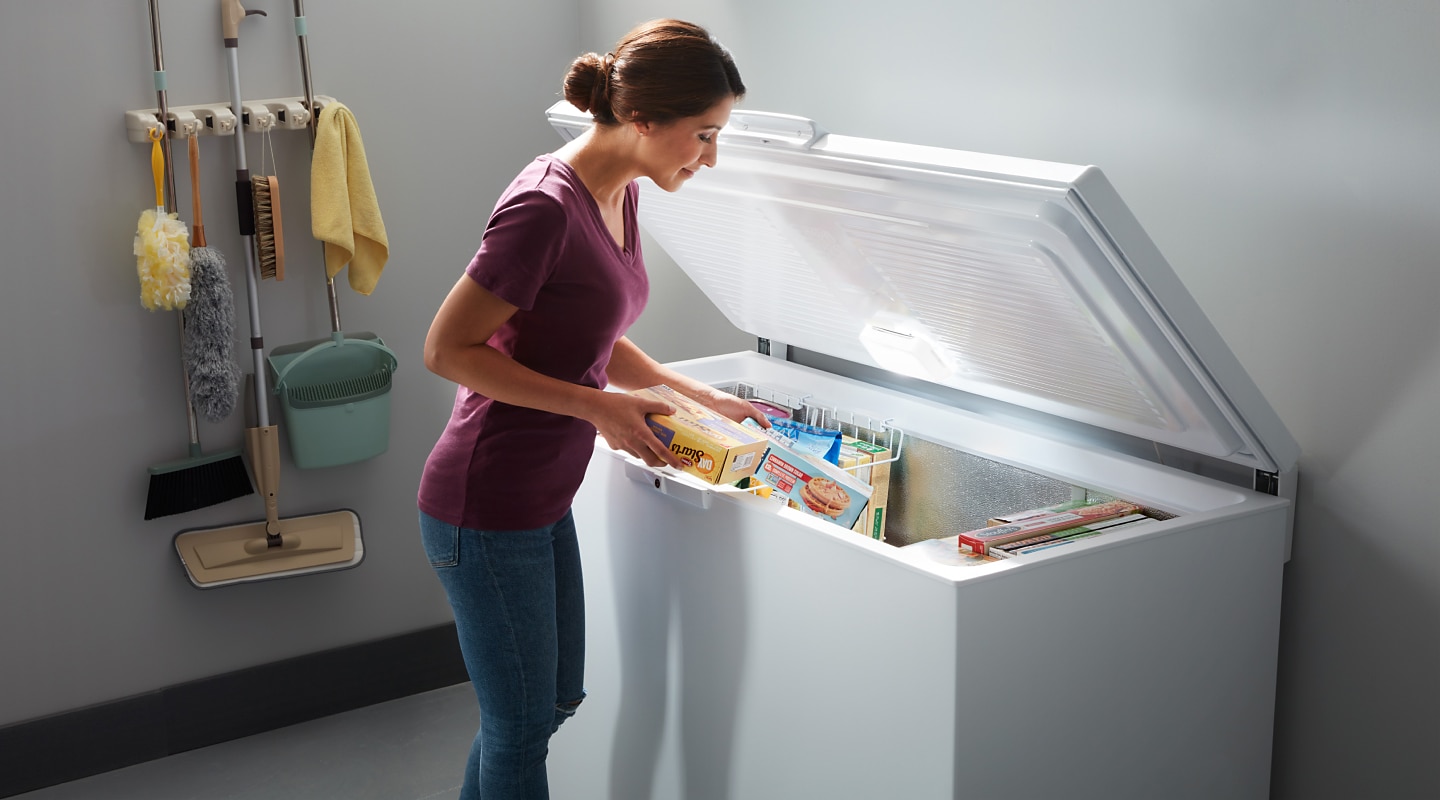
A freezer plays an essential role in preserving food, reducing waste, and keeping frozen groceries safe for extended periods. When it stops maintaining the correct temperature, homeowners may notice soft ice cream, partially thawed meat, excessive frost, or food that no longer feels completely frozen.
For homeowners in Palm Coast, Flagler County, and surrounding Florida communities, reliable freezer performance is particularly important during hot weather. Florida’s warm climate can increase cooling demands, especially when freezers are installed in garages or other areas with fluctuating temperatures.
Understanding the common reasons a freezer stops freezing properly can help homeowners recognize warning signs, perform basic troubleshooting, and determine when professional repairs are necessary.
Dirty Condenser Coils and Poor Ventilation
Condenser coils release heat from the refrigeration system into the surrounding environment. When these coils become covered with dust, pet hair, or debris, heat transfer becomes less efficient.
As a result, the freezer may operate for longer periods while struggling to maintain the required temperature.
How Dirty Coils Affect Freezer Performance
Dirty condenser coils can increase operating temperatures and place additional strain on the compressor.
Common symptoms include extended running cycles, poor freezing performance, and higher electricity consumption.
Depending on the freezer model, condenser coils may be located underneath or behind the appliance. Some models have different coil configurations and maintenance requirements.
Homeowners should consult the manufacturer’s instructions before attempting cleaning.
Keeping the surrounding area well ventilated is equally important. Freezers installed too close to walls or enclosed cabinets may not receive sufficient airflow.
Proper ventilation and regular maintenance can help maintain efficient cooling performance.
Damaged Door Gaskets and Warm Air Leakage
Freezer door gaskets create a seal that prevents warm household air from entering the storage compartment.
When these seals become damaged, dirty, loose, or misaligned, warm air can enter and interfere with normal freezing temperatures.
Recognizing Freezer Door Seal Problems
A damaged gasket may cause frost accumulation around the door, excessive condensation, or inconsistent internal temperatures.
Homeowners can inspect the gasket for visible cracks, tears, and hardened sections.
A simple paper test may help identify weak sealing areas. Close the freezer door over a sheet of paper and gently pull it outward.
If the paper slides out easily, the gasket may not be sealing correctly in that location.
Cleaning the gasket with mild soap and water may improve sealing when dirt is the primary issue.
However, severely damaged gaskets generally require replacement.
In Florida’s humid environment, warm air entering the freezer can introduce additional moisture, increasing frost buildup and reducing cooling efficiency.
Faulty Evaporator Fans and Defrost System Problems
Many frost-free freezers use evaporator fans to circulate cold air throughout the compartment.
If the fan motor stops working or airflow becomes restricted, temperatures may become uneven.
Some sections may remain frozen while others begin warming.
How Defrost Failures Affect Freezing
Automatic defrost systems prevent excessive ice accumulation around evaporator coils.
These systems typically use heating elements, temperature sensors, and electronic controls.
When a defrost component fails, frost may accumulate until airflow becomes restricted.
Homeowners may notice thick ice on interior panels, reduced cooling performance, or unusual fan noises.
A temporary defrost may remove accumulated ice, but the problem can return if the defective component is not repaired.
Never use knives, screwdrivers, or other sharp objects to remove ice because they can damage refrigerant lines and internal surfaces.
Persistent frost problems should be evaluated by a qualified appliance technician.
Thermostat and Temperature Control Malfunctions
Freezers depend on temperature sensors and control systems to maintain appropriate freezing conditions.
A defective thermostat or electronic sensor can cause the appliance to operate incorrectly, even when the compressor and other components are functional.
Checking Freezer Temperature Settings
The recommended freezer temperature for food storage is approximately 0°F (-18°C).
Homeowners can use an independent appliance thermometer to verify the actual temperature.
Before assuming a component has failed, check whether the temperature setting was accidentally changed.
Newly loaded groceries, frequent door openings, or temporary power interruptions may also cause short-term temperature fluctuations.
However, a freezer that consistently remains above the recommended temperature may have a mechanical or electronic problem.
Homeowners experiencing ongoing cooling difficulties can explore professional freezer repair Palm Coast services to identify malfunctioning controls, airflow restrictions, and refrigeration system problems.
Accurate diagnosis helps determine whether the appliance requires a minor component replacement or more extensive repair.
Compressor and Sealed Refrigeration System Failures
The compressor is a critical component of the freezer’s cooling system. It circulates refrigerant through the sealed system, allowing heat to be removed from the storage compartment.
When the compressor develops mechanical or electrical problems, freezing performance can decline significantly.
Signs of Possible Compressor Problems
A freezer may run continuously without reaching the correct temperature.
Other symptoms include repeated clicking sounds, unusually warm food compartments, or frequent starting and stopping.
However, these symptoms do not automatically indicate compressor failure.
Dirty condenser coils, defective fans, damaged door seals, and electrical problems can produce similar results.
Refrigerant leaks and sealed-system restrictions may also prevent effective cooling.
Because sealed refrigeration systems require specialized tools and technical knowledge, homeowners should not attempt refrigerant repairs themselves.
A professional technician can inspect the system and determine whether repair or replacement is appropriate.
Freezer Maintenance Tips for Florida Homeowners
Routine maintenance can reduce preventable freezer problems and help extend appliance lifespan.
Keeping the freezer clean, maintaining proper airflow, and checking door seals are simple but effective preventive measures.
Practical Ways to Maintain Freezer Performance
Avoid blocking internal ventilation openings with tightly packed food.
Allow adequate clearance around the appliance according to manufacturer recommendations.
Clean accessible condenser coils when required and inspect door gaskets regularly.
Homeowners should also consider the installation environment. Not every freezer is designed to operate in a hot garage, where extreme temperatures can affect performance.
During Florida’s hurricane season, power interruptions may also affect frozen food storage.
Keeping the freezer door closed during an outage helps preserve cold temperatures. A full freezer generally maintains safe temperatures for approximately 48 hours, while a half-full freezer may maintain them for about 24 hours, provided the door remains closed.
After an extended outage, check food temperatures and follow USDA food safety guidance before deciding what to keep.
Frequently Asked Questions (FAQs)
Why is my freezer running but not freezing?
Possible causes include dirty condenser coils, damaged door seals, faulty fans, malfunctioning temperature controls, or compressor problems.
What temperature should my freezer maintain?
For safe long-term frozen food storage, a freezer should generally maintain approximately 0°F (-18°C).
Can Florida’s hot weather affect freezer performance?
Yes. High surrounding temperatures can increase cooling demands, particularly when the freezer is installed in a garage or poorly ventilated location.
Why is there excessive frost inside my freezer?
Excessive frost may result from damaged door seals, frequent door openings, or a malfunctioning automatic defrost system.
When should I call a freezer repair technician?
Professional assistance is recommended when freezing problems persist after basic checks, unusual mechanical noises occur, or electrical and refrigeration components may be malfunctioning.
Final Thoughts
A freezer that stops freezing properly does not always need replacement. Many problems originate from dirty condenser coils, damaged door gaskets, restricted airflow, faulty temperature controls, or malfunctioning defrost components.
Recognizing these warning signs early can help homeowners protect stored food and prevent unnecessary appliance damage.
For Palm Coast, Flagler County, and surrounding Florida residents, regular maintenance and timely professional repairs can support dependable freezer performance throughout the year.