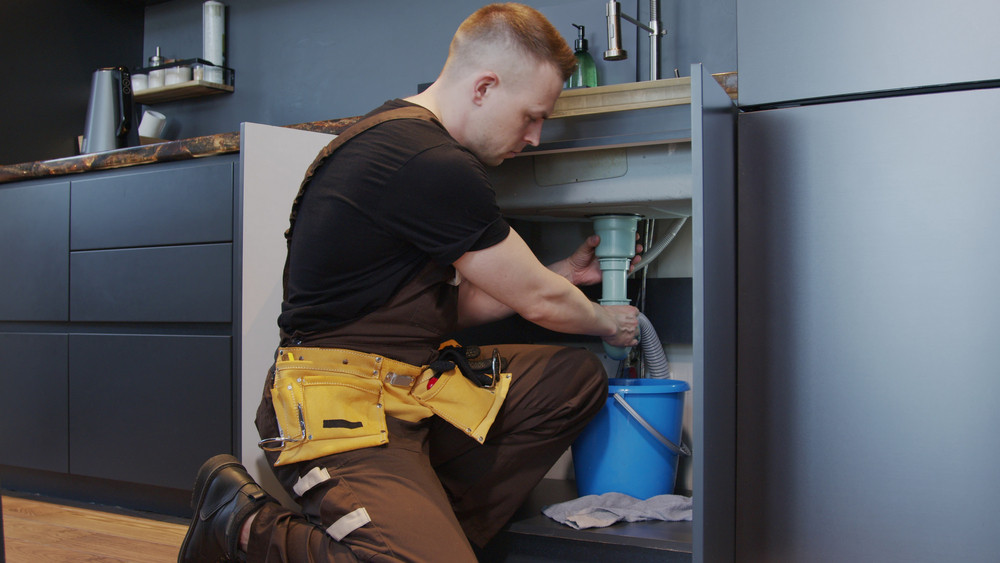
Keeping your home’s plumbing in top condition is essential for reducing costly repairs and preserving the longevity of your system. While some may overlook the intricate network that carries water throughout your home, regular inspections are a key component of preventative maintenance. By understanding the optimal inspection frequency, homeowners can avoid unwelcome surprises and costly emergency repairs.
Understanding the Lifespan of Plumbing Components
Your plumbing system is composed of various parts, each with its own expected lifespan. For instance, certain components of a professionally installed water well may last between 30 and 50 years with appropriate care. However, individual components within the system tend to have a shorter life expectancy, highlighting the necessity for regular monitoring.
Just like any other aspect of home maintenance, plumbing requires periodic checks to ensure everything is functioning properly. The intricate system includes pipes, joints, and fittings that can wear down over time due to factors like water pressure and chemical exposure. Through professional inspections, potential issues can be identified early, often preventing major problems.
By routinely assessing the condition of your plumbing, you equip yourself with the knowledge needed to address minor repairs before they escalate. Not only does this ensure the integrity of your home, but it also safeguards the well-being of your family. A stable and functional plumbing system is crucial for maintaining a comfortable living environment.
The Recommended Frequency of Plumbing Inspections
Experts emphasize the importance of scheduling routine plumbing inspections to extend the life of your system. According to industry recommendations, annual checks are advisable for most setups, while newer installations may require inspections every two years. This approach strikes a balance between vigilance and practicality, ensuring that any underlying issues are detected.
Annual inspections help to identify potential concerns before they escalate into significant problems. By adopting this proactive approach, homeowners can save time and money in the long run. The cost of an inspection is minor compared to the expenses involved in emergency plumbing repairs or complete system overhauls.
It’s important to remember that a neglected plumbing system can lead to unwelcome disruptions in your daily life. From unexpected leaks to water damage, overlooking the care of your plumbing can have widespread consequences. Regular inspections serve as a safeguard against these inconveniences, providing peace of mind for homeowners.
Economic Impacts of the Plumbing Industry
The plumbing industry is a substantial sector within the broader economy, contributing over $124 billion in the United States alone. This reflects both the necessity and the complexity of services that plumbing professionals provide. As homeowners prioritize maintenance, they also support a vibrant industry that continues to evolve with technological advancements.
The demand for plumbing services extends beyond routine inspections and includes repairs, installations, and specialized solutions. Skilled professionals within this industry are equipped to handle a range of issues, utilizing their expertise to maintain household systems efficiently. This dynamic field demonstrates its value through its economic contributions and essential service offerings.
In addition to directly influencing household well-being, the plumbing industry plays a critical role in environmental sustainability. With a growing emphasis on conserving resources, many professionals are proficient in integrating eco-friendly solutions that enhance efficiency and reduce waste. This not only benefits the environment but also brings cost savings to homeowners.
Regular plumbing inspections are a prudent investment for maintaining the integrity and efficiency of your home’s system. By adhering to recommended schedules, homeowners can prevent costly repairs and support the broader plumbing industry, which is a vital component of the economy. Embracing routine maintenance goes beyond simple preservation, extending into economic and environmental benefits that reverberate beyond the confines of individual households.