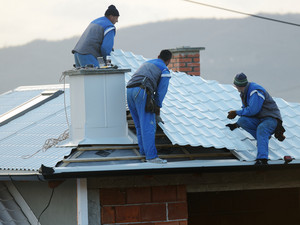
Investing in a new roof is a significant decision that many homeowners face. While maintenance can extend the life of your roof, eventually, every roof will need to be replaced. Before making this investment, understanding the longevity of different roofing materials and considering expert recommendations can guide homeowners in making an informed decision.
Understanding Roofing Lifespans
Different roofing materials have varying lifespans, which significantly influences when they need to be replaced. For instance, slate roofs, as mentioned by experts at This Old House, can endure for 75 to 100 years. This exceptional durability makes slate a preferred choice for homeowners looking for a long-term solution.
On the other hand, metal roofs offer an impressive lifespan of up to 70 years, according to Bob Vila. This extended lifespan contributes to their popularity, especially in areas prone to harsh weather conditions. While the initial investment may be higher, the longevity of metal roofs can lead to long-term savings and peace of mind.
Deciding on the right time to replace a roof also depends on visible signs of wear and tear. Homeowners should inspect their roofs for signs of damage such as missing shingles, leaks, or sagging. Regular assessment and maintenance can help in identifying potential issues early, ensuring timely interventions.
Signs It’s Time to Replace Your Roof
One key indicator that a roof may need replacement is the frequency of repairs needed. If a roof requires constant repairs, it might be more cost-effective to invest in a new one. The structural integrity of a roof is critical not just for aesthetic purposes but for home safety as well.
For many homeowners, water damage or leakage is the tipping point in deciding to replace a roof. Leaks can cause irreparable damage to the interior of a home, leading to expensive repairs if not addressed promptly. To prevent such circumstances, it’s crucial to monitor your roof for signs of water infiltration.
Beyond functionality, consider the aesthetic value a new roof can bring. Over time, roofing materials can become discolored or worn, affecting the overall appearance of your home. Replacing your roof can rejuvenate your home’s curb appeal, increasing its value and desirability.
The Investment and Broader Impact of a New Roof
More than 5 million new roofs are installed annually, highlighting the importance of this investment across the country, according to Forbes. A new roof not only provides essential protection for homes but also enhances energy efficiency. Ensuring that your home—or that of potential buyers—is safeguarded against weather extremes is invaluable.
Investing in modern roofing materials and technologies can lead to significant savings on energy bills. New roofs are often designed with better insulation properties, helping to maintain comfortable indoor temperatures. For eco-conscious homeowners, considering sustainable and energy-efficient roofing materials is an added bonus.
Moreover, a new roof can add considerable value to a property, making it a wise investment for those contemplating selling their home in the near future. Beyond immediate benefits, the decision to invest in a new roof can have long-term positive effects on a home’s marketability. Whether for resale value or personal comfort, decisions about investing in a new roof should be made with a comprehensive understanding of both immediate and future implications.
In conclusion, deciding when to invest in a new roof is a significant decision that impacts the safety, aesthetic, and financial aspects of a home. By understanding the lifespan of various roofing materials and recognizing the right signs for replacement, homeowners can make informed choices. Consulting with experts and leveraging their insights can aid in selecting the best timing and materials for a new roof, ensuring both immediate satisfaction and long-term benefits.