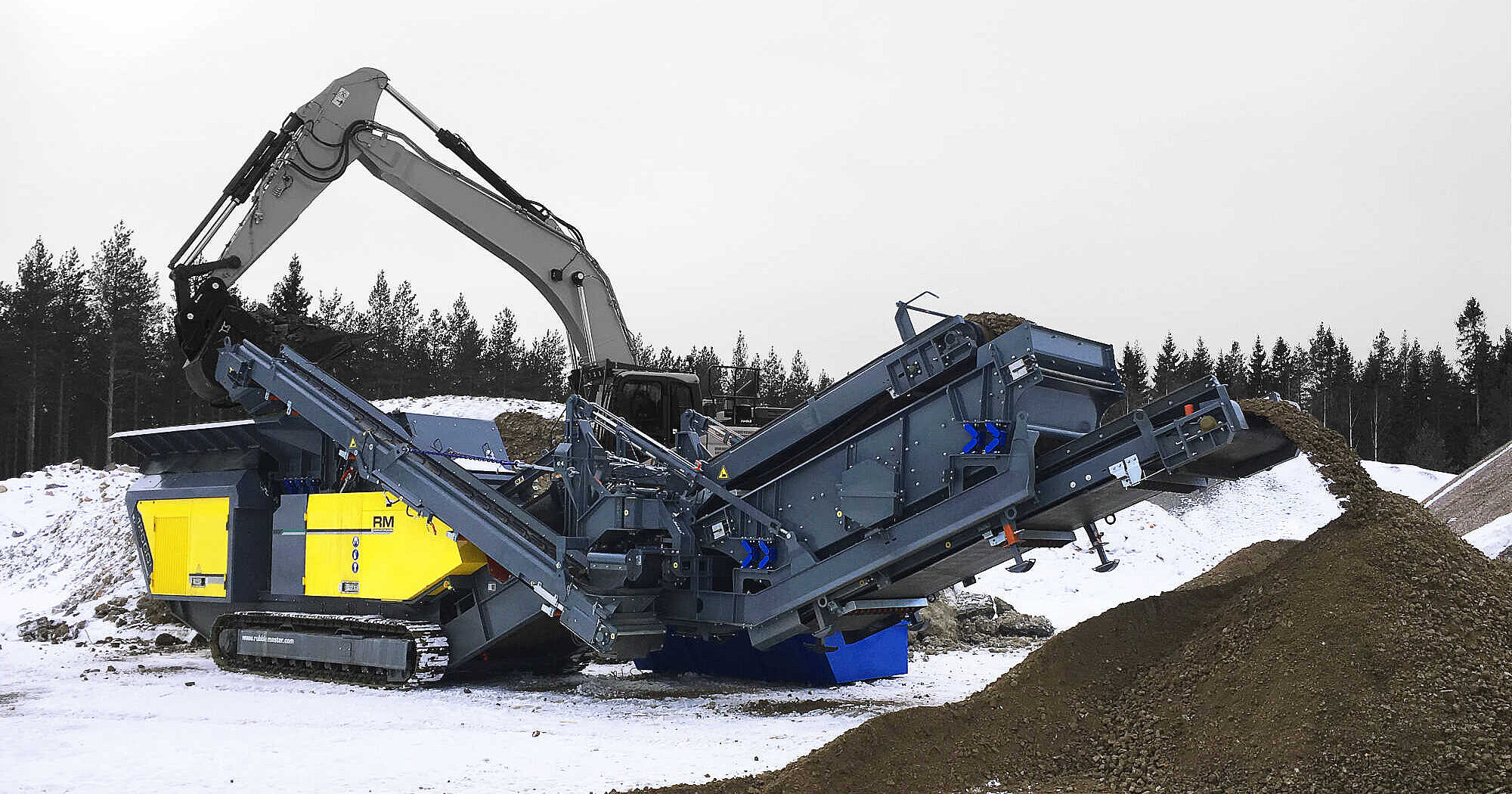
When temperatures drop, most contractors think first about protecting their crew — but crushing equipment needs its own winter game plan too. Cold weather crushing equipment operation brings a distinct set of challenges that have nothing to do with the material being processed and everything to do with how the machine itself behaves once the mercury falls. Hydraulic fluid thickens, batteries lose capacity, and material that would normally break apart cleanly can behave completely differently when it’s frozen solid. Understanding these effects ahead of time is the difference between a productive winter job site and a season full of frustrating delays.
Why Cold Temperatures Slow Down a Crusher
Mobile crushers rely heavily on hydraulic systems to power everything from the crushing chamber to conveyor movement. In cold weather, hydraulic fluid thickens, which slows fluid flow and reduces the responsiveness of hydraulic components until the system reaches proper operating temperature. Machines that would normally be ready to run within minutes of startup may need a much longer warm-up period in freezing conditions, and skipping that warm-up increases wear on seals, pumps, and hoses.
Diesel engines face their own cold-weather hurdles. Fuel can gel in extreme cold, batteries lose a significant percentage of their cranking capacity as temperatures drop, and lubricants that flow easily in warm weather become sluggish at startup. None of these issues are unique to crushing equipment, but on a mobile crusher, they compound with the hydraulic warm-up delay to push back the start of actual production well beyond a normal morning startup routine.
Frozen Material: A Different Kind of Feed Problem
Cold weather doesn’t just affect the machine — it changes the material going into it. Frozen ground demolition equipment faces feed material that behaves nothing like it would in warmer conditions. Concrete, soil, and aggregate that are frozen solid can be far harder and more brittle than the same material at room temperature, sometimes causing higher stress on jaw plates and increased wear on crushing surfaces.
Frozen chunks can also be more prone to arching or bridging in the feed hopper, since irregular frozen material doesn’t settle and flow the way loose, unfrozen debris does. Operators working with frozen feed often need to adjust feed rates and monitor the crushing chamber more closely to avoid jams that wouldn’t occur with the same material in milder weather.
On demolition sites specifically, frozen ground can also complicate excavation and loading before material even reaches the crusher, since frozen soil clumps mixed in with debris add extra load variability that operators need to account for when managing throughput.
Building a Winterizing Construction Equipment Checklist
Rather than reacting to cold-weather problems as they come up, most experienced operators work from a winterizing construction equipment checklist developed well before the first freeze. A solid checklist typically includes:
- Switching to cold-weather-rated hydraulic fluid. Fluids rated for lower viscosity in cold temperatures keep hydraulic response times closer to normal, reducing both warm-up time and long-term wear.
- Checking battery health and cold-cranking capacity. Batteries that were adequate in summer may struggle in winter; testing before cold weather hits avoids no-start mornings on an active job site.
- Installing or confirming block heaters. Engine block heaters warm coolant overnight, dramatically reducing cold-start strain on the engine and shortening the warm-up period before the machine can safely reach full operating load.
- Inspecting belts, hoses, and seals for cold-weather brittleness. Rubber components can become stiff and crack-prone in extreme cold; a pre-winter inspection catches problems before they cause a mid-job failure.
- Adjusting fuel blends for the season. Winter-blend diesel resists gelling far better than summer-blend fuel, and switching over before the first hard freeze avoids fuel system problems altogether.
- Reviewing feed rate procedures for frozen material. Building in slower, more monitored feed rates for expected frozen or partially frozen material reduces the risk of jamming and excess wear.
Running through this list proactively, rather than troubleshooting problems machine by machine once cold weather arrives, keeps a crushing operation running closer to normal production levels through the winter months.
Planning Production Expectations for Winter Months
Even with proper winterization, most operations should expect somewhat reduced daily output during cold weather, simply due to longer warm-up times and more conservative feed rates with frozen material. Building this into project schedules and client expectations upfront avoids the frustration of comparing winter production numbers directly against summer benchmarks.
Some contractors also choose to shift scheduling where possible, taking advantage of midday warm-up periods rather than starting at the coldest part of the morning, which can meaningfully reduce the daily warm-up penalty on shorter winter days.
The Bottom Line
Cold weather doesn’t have to derail a crushing operation, but it does require planning that goes beyond a normal warm-weather routine. From hydraulic fluid and battery health to feed rate adjustments for frozen material, the contractors who prepare equipment and expectations ahead of the first freeze consistently outperform those who wait until a cold snap causes an unplanned delay. A proactive winterizing checklist, paired with realistic production expectations, keeps a crushing operation productive through even the coldest months of the year.