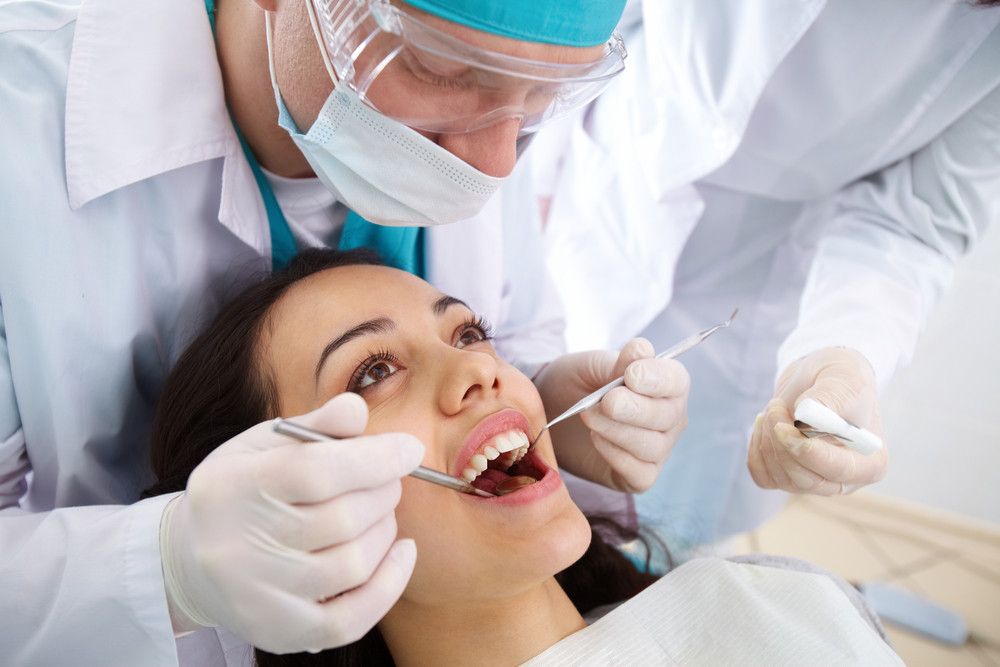
The significance of oral health cannot be understated as it plays a pivotal role in our overall well-being. Yet, many individuals neglect dental checkups for various reasons, ranging from fear to financial constraints. Regular dental visits are essential for maintaining not just oral health, but general health and hygiene too. Understanding the importance of these visits might prompt one to reevaluate their dental care routines. Let’s delve further into the facts and implications of dental health practices in our lives.
Understanding the Gaps in Dental Visits
According to recent studies, a staggering 12% of adults aged 20 to 64 have not seen a dentist in over five years. This statistic highlights a significant gap in routine dental care, suggesting various underlying issues such as dental anxiety or socio-economic barriers. The lack of regular dental visits can lead to a host of dental issues, from cavities to more severe diseases.
Ensuring regular visits to a dentist is crucial, as oral health directly correlates with heart and systemic diseases. Neglecting dental care can lead to complications that would require extensive treatments in the long run. Education on the significance of regular dental visits could be beneficial in encouraging those who have not visited a dentist in years to take the first step towards a healthier dental lifestyle.
Communities and healthcare providers must work together to bridge this gap by providing accessible information and affordable dental services. Outreach programs can help break down barriers, especially in underserved areas, making dental care more accessible to all. This approach would not only benefit individuals but also alleviate broader healthcare systems by reducing the incidence of oral health-related diseases.
The Prevalence of Dental Restorations
In the United States, approximately 15 million individuals have undergone procedures such as crown and bridge replacements to address missing teeth. This figure signifies the prevalence of restorative dentistry in addressing oral health issues. Dental restorations play a significant role in not only improving oral function but also enhancing the quality of life.
Restorative procedures like these are typically the result of consistent dental issues, which could have been mitigated with early intervention and regular check-ups. These dental solutions, while life-changing, also emphasize the importance of preventative care to avoid costly and invasive procedures. By understanding the importance of maintaining oral health, individuals can prevent the need for such interventions.
The significant reliance on dental restorations also underscores the need for systemic improvements in preventive care. Educating the public about the importance of regular dental visits and proper oral hygiene could, over time, reduce the need for restorative procedures. Oral health should be prioritized as an integral part of maintaining overall health and well-being.
The State of Dental Health Checkups
According to the CDC, approximately 65.5% of adults aged 18 and older have had a dental exam or cleaning in the past year. This statistic is encouraging as it shows that a majority of the population recognizes the importance of regular dental care. However, there remains a significant portion who do not seek annual dental check-ups, which suggests room for improvement.
Regular dental exams and cleanings are essential for early detection of oral health issues, which can significantly affect an individual’s health and quality of life. These routine visits not only help in maintaining oral hygiene but also serve to educate about proper health habits. Encouraging regular visits can improve both individual health outcomes and reduce healthcare burdens.
Healthcare policies and community outreach can play a crucial role in raising awareness and promoting the importance of dental health. By fostering a culture that values dental health as much as overall health, individuals can lead healthier lives free from preventable dental issues. Ultimately, prioritizing dental health can lead to a more robust and healthier community.
While there are commendable strides towards ensuring dental health for some, significant challenges remain for others who do not receive adequate dental care. Embracing preventive measures and promoting regular dental visits can safeguard health in the long term. By nurturing environments that encourage routine dental check-ups, we can work towards a future where dental health is universally accessible and prioritized.