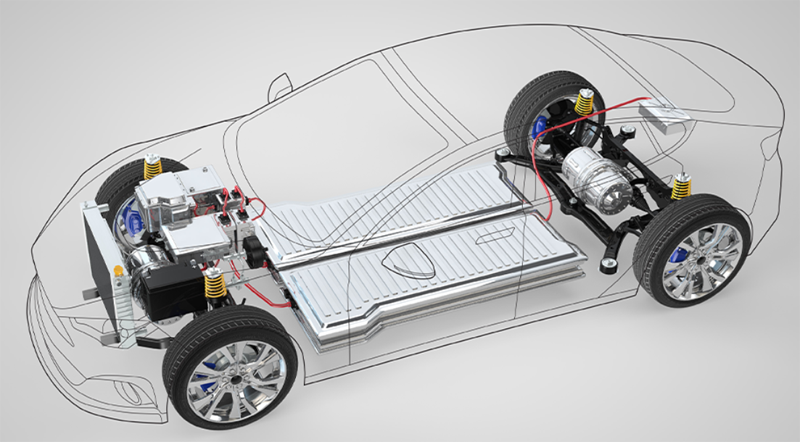
In the grand tapestry of vehicle engineering, the car battery often sits quietly, unsung yet playing a critical role in the performance of our vehicles. When we think of vehicle power, the mind might leap to engines, fuel, and horsepower, but the humble car battery is truly the unsung hero that keeps everything running smoothly. It is the heart that pumps life into the vehicle’s electrical systems and ignites the engine, setting everything into motion. Let’s delve into the world of car batteries and explore why they are indispensable to vehicle performance.
The Lifeblood of Modern Vehicles
Imagine this: a bright, sunny morning, and you’re ready to embark on a road trip. The car is packed, excitement is in the air, but as you turn the key, nothing happens. You sit there, puzzled and a bit frustrated. The culprit? A dead car battery. This small, yet mighty component is the lifeblood of modern vehicles, and without it, even the most powerful engine is rendered useless.
The car battery’s primary function is to provide the electrical energy necessary to start the engine. Once the engine is running, the alternator takes over, but the initial spark is the battery’s responsibility. Additionally, the battery powers all electrical components when the engine is off, ensuring that systems like alarms, clocks, and keyless entry remain operational.
Car Battery: The Unsung Hero in Performance
A vehicle’s performance is significantly influenced by the condition of its car battery. A weak or failing battery can lead to a host of issues that affect not just starting, but also the efficiency of the vehicle. As the battery degrades, it may struggle to maintain a sufficient charge, leading to sluggish starts and potential failure of electronic systems. This can be particularly inconvenient if you find yourself needing a jump-start in a less-than-ideal location.
One might recall the simple yet profound advice given by a wise old mechanic: “Always check your battery before a long trip.” Such sage advice is rooted in the understanding that a healthy battery is synonymous with reliable vehicle performance. Regular checks and maintenance can prevent unexpected breakdowns and ensure that the vehicle operates at its peak efficiency.
When to Consider Car Battery Replacement
Understanding when to consider a car battery replacement is crucial for maintaining your vehicle’s performance. Typically, a car battery lasts between three to five years, but factors such as climate, driving habits, and vehicle type can affect this lifespan. Signs that a replacement may be necessary include dimming headlights, slow engine crank, and frequent need for jump-starts.
It’s important to remember that car battery replacement not only boosts vehicle performance but also enhances safety. A failing battery can lead to more significant electrical issues, potentially affecting critical systems like braking and steering. Therefore, being proactive about battery health is not just about convenience, but also about ensuring the safety of you and your passengers.
Choosing the Right Car Battery
Choosing the right car battery is akin to selecting the perfect partner; it requires understanding, compatibility, and a little bit of love. It’s easy to become besotted with the idea of high-performance batteries, but practicality and compatibility should guide your choice. Consider factors such as battery size, capacity, and cold-cranking amps (CCA) to ensure it meets the specific needs of your vehicle.
Furthermore, the climate in which you drive significantly affects battery performance. In colder climates, a higher CCA is essential as it indicates the battery’s ability to start an engine in freezing temperatures. Conversely, in warmer regions, a battery with a higher reserve capacity might be more beneficial to handle extended use of air conditioning and other electrical components.
Maximizing Battery Life
To extend the life of your car battery, regular maintenance and mindful usage are essential. Ensure that battery terminals are clean and free from corrosion, which can impede performance. Regularly check the battery’s charge level, especially before long trips or during extreme weather conditions, to avoid unexpected failures.
Additionally, adopting energy-saving habits can make a significant difference. Avoid leaving lights or electronics on when the engine is off, and try to limit short trips that don’t allow the battery to fully charge. These small actions can add up to a longer-lasting battery and more reliable vehicle performance.
A Final Thought
As we navigate the complexities of vehicle maintenance and performance, it’s easy to overlook the essential role of the car battery. Yet, it is this very component that ensures the seamless operation of our vehicles, from starting the engine to powering essential systems. By understanding the intricacies of car battery maintenance and replacement, you can ensure that your vehicle remains a powertrain powerhouse, ready to take you wherever the road may lead.
In the end, while the car battery may not always be in the spotlight, its contribution to vehicle performance is undeniable. By giving it the attention and care it deserves, you ensure not only the longevity of your vehicle but also the safety and comfort of every journey you undertake. So, next time you sit behind the wheel, take a moment to appreciate the silent power of your car battery, the true powerhouse of vehicle performance.