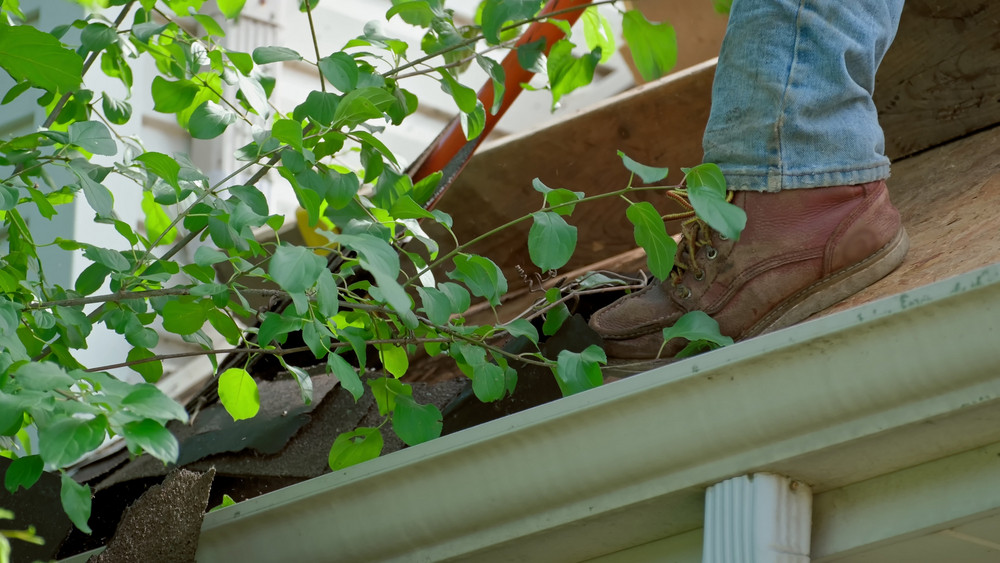
When considering the impact of trees on a residential property, many homeowners often overlook the relationship between tree coverage and roof health. While trees provide a range of benefits, they can also pose challenges, especially for roofing maintenance and durability. This article explores different aspects of how trees interact with roofs, from the risks of falling branches to the benefits of shade and the implications for long-term property value. By understanding these dynamics, homeowners can better appreciate how to manage their surroundings to keep their homes safe and enhance their property’s appeal.
Falling Branches and Storm-Related Roof Damage
Tree branches provide a natural canopy and enhance the aesthetic appeal of a home, but they can also become liabilities during severe weather. In heavy storms, branches can break and fall, potentially causing significant damage to roofing structures. This vulnerability is underscored by a recent survey by This Old House, which found that nearly 31% of homeowners nationwide have pursued roof renovation, repair, or maintenance projects in the last three years, often due to storm damage.
Managing the proximity of large trees to your home can reduce the risk of roof damage during adverse weather conditions. Regular pruning and maintenance help ensure that branches do not hang directly over your roof. This proactive approach not only minimizes immediate risks but also extends the longevity and durability of your roofing materials.
Homeowners often overlook the importance of scheduling routine inspections to identify potential hazards presented by nearby trees. Through careful monitoring, the health of trees can be assessed, reducing the chance of unexpected branch falls. This preventive measure is a small investment compared to the cost of significant roof repairs.
Trapped Moisture, Debris, and Algae Growth
While trees contribute to the scenic beauty of a neighborhood, they can also lead to the accumulation of debris on rooftops. Leaves, twigs, and other materials can trap moisture, leading to the growth of algae or mold, which can adversely impact roof health. The United States is home to an incredible 228 billion trees, according to 8 Billion Trees, indicating no shortage of potential debris sources.
Regular roof cleaning is essential to prevent organic buildup that can hasten the degradation of roofing materials. Homeowners should be proactive in maintaining clean gutters, which help divert moisture away from the roof. This not only preserves structural integrity but also enhances the overall efficiency of the home’s drainage system.
Selecting roofing materials that are resistant to algae and mold growth is another strategic consideration for mitigating tree-related challenges. Certain shingles and coatings are designed to withstand environmental moisture, providing a robust defense against natural elements. When planning renovations or new installations, discussing material options with a professional can yield long-term benefits.
Shade, Airflow, and Long-Term Roof Wear
While the potential for roof damage cannot be ignored, trees also offer remarkable advantages, such as providing shade that cools home interiors and reduces energy costs. This can translate into less wear and tear on roofing materials, sustaining their lifespan and maintaining home aesthetics. Moreover, according to Money, trees can boost your property value by as much as 15%, highlighting their broader benefits.
The cooling effect of tree shade decreases reliance on air conditioning, thus lowering utility bills for homeowners. However, it is crucial to maintain proper tree distances to avoid airflow obstructions that could contribute to damp conditions on the roof. This balance between shade and ventilation is key to preserving both the roof’s condition and the home’s comfort.
Long-term planning should include considerations for species selection that offers benefits without overwhelming structures. Fast-growing species might seem appealing initially, but their root systems and expansive canopies could result in complications over time. Consulting with arborists can provide guidance on which trees can enhance a home’s ecosystem without compromising its structural integrity.
Ultimately, tree coverage affects a home in multiple ways, influencing both challenges and opportunities. Proper maintenance and strategic planning help homeowners harness the benefits of trees while minimizing risks. With informed decision-making, it’s possible to create a harmonious balance between the natural environment and architectural needs, preserving roof health and enhancing property appeal.