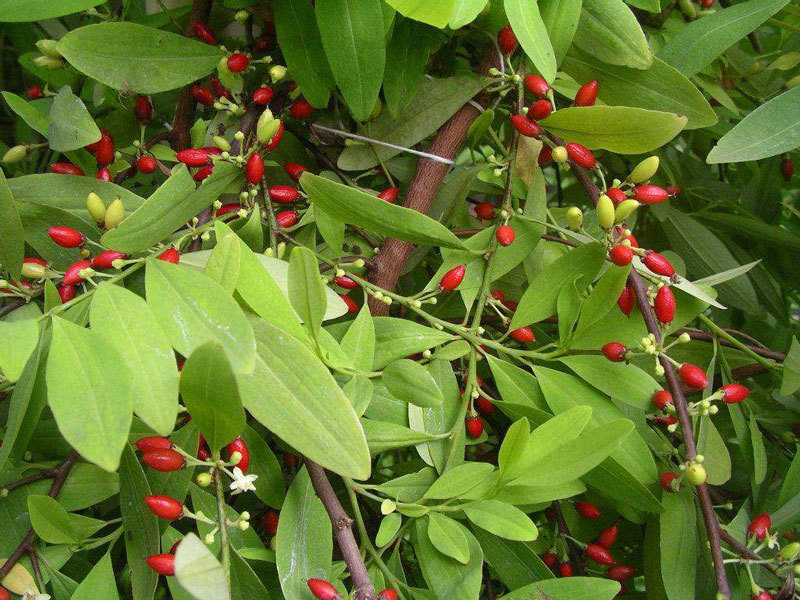
The genus Erythroxylum represents a diverse group of flowering plants that have played a monumental role in human history, medicine, and social structures for millennia. While often overshadowed by their most famous derivative, these plants possess a complex biological profile and a fascinating evolutionary history that spans several continents. Understanding the genus requires looking past modern controversies and examining the intricate relationship between these plants and the environments they inhabit.
An Introduction to the Genus Erythroxylum
The Erythroxylaceae family comprises over 250 species, though only a handful have gained international recognition. These woody shrubs and trees are primarily native to the tropical regions of South America, though various species can be found in Africa and Madagascar. Historically, the leaves of these plants have been used by indigenous Andean cultures for energy, nutrition, and ritualistic purposes. The resilience of these plants in high-altitude environments is a testament to their evolutionary adaptation.
In contemporary times, there is a growing interest in the preservation of these species for botanical research and germplasm conservation. Enthusiasts and researchers often look for ways to buy coca seeds online to study the plant’s unique alkaloid profile and growth patterns in controlled environments. This interest is driven by a desire to understand how these plants thrive in poor soil conditions and how they contribute to the biodiversity of the Amazonian and Andean regions.
Botanical Characteristics and Morphology
To the untrained eye, many species within the Erythroxylum genus may look like ordinary garden shrubs. However, a closer inspection reveals distinct morphological features that set them apart. Most species are characterized by their small, elliptical leaves that often feature two longitudinal lines flanking the midrib, a trait known as “areolate” venation. This is a primary diagnostic feature used by botanists to identify the genus in the field.
The flowers of these plants are generally small, inconspicuous, and white or yellowish-green. They typically bloom in clusters and are followed by small, bright red drupes (berries). These seeds are recalcitrant, meaning they have a very short shelf life and must be planted quickly after harvest to maintain viability. This biological quirk makes the distribution and cultivation of the genus particularly challenging for those outside of their native tropical habitats.
Primary Species of Interest
While the genus is vast, two species dominate the conversation due to their concentration of alkaloids and their historical usage.
Erythroxylum Coca
Native to the eastern slopes of the Andes, Erythroxylum coca is perhaps the most well-known. It thrives in moist, tropical climates and can grow into a substantial shrub over several decades. It has been cultivated for over 4,000 years, with archaeological evidence suggesting its use in ancient Peruvian civilizations. The plant is remarkably hardy, often growing on steep mountain terraces where other crops would fail.
Erythroxylum Novogranatense
This species is more adaptable to drier climates and can withstand higher temperatures than its Andean cousin. It is often found in Colombia and parts of Central America. Because it is less sensitive to humidity fluctuations, it has been historically favored for cultivation in regions with more varied weather patterns. Its leaves are typically thinner and have a slightly different chemical composition, though they serve many of the same traditional purposes.
The Ecology of Cultivation: Soil and Climate
Cultivating species within this genus requires a deep understanding of tropical ecology. These plants are “acid-loving” and prefer a soil pH between 4.5 and 5.5. In their native habitats, the soil is often rich in organic matter but leached of many minerals due to heavy rainfall. To replicate this, cultivators must ensure excellent drainage while maintaining consistent moisture, a delicate balance that often frustrates novice gardeners.
Temperature is another critical factor. Most Erythroxylum species are sensitive to frost and require temperatures that remain consistently between 18°C and 30°C. High humidity is also essential for the development of healthy foliage. In regions outside the tropics, these plants are almost exclusively grown in climate-controlled greenhouses where light cycles and humidity levels can be strictly monitored to prevent leaf drop or fungal infections.
Traditional and Cultural Significance
For the indigenous peoples of the Andes, the “sacred leaf” is far more than a botanical specimen; it is a cornerstone of social and spiritual life. Traditionally, the leaves are chewed with an alkaline substance, such as lime or ash, to activate the alkaloids. This practice helps individuals manage altitude sickness, suppress hunger, and maintain physical stamina for labor-intensive tasks in the mountains.
Beyond physical utility, the plant is deeply embedded in the social fabric. It is used as a medium for divination, an offering to the “Pachamama” (Mother Earth), and a gesture of goodwill during community gatherings. To understand the plant without acknowledging its cultural roots is to miss the essence of its existence. It remains a symbol of resistance and cultural identity for millions of people in South America today.
Challenges in Conservation and Research
The genus faces significant challenges in the modern era. Habitat destruction in the Amazon Basin and the Andes mountains threatens the genetic diversity of wild Erythroxylum species. Many “wild” varieties may hold the key to understanding disease resistance or drought tolerance, yet they are at risk of extinction before they can be fully documented. Conservation efforts are often complicated by the legal and political stigma surrounding the genus.
Furthermore, because the seeds are so fragile, long-term storage in traditional seed banks is difficult. Research institutions must maintain “living collections,” which are expensive and labor-intensive to manage. Promoting botanical literacy and distinguishing between the industrial misuse of the plant and its biological value is essential for future conservation strategies. This allows scientists to explore the potential pharmaceutical benefits of the plant’s various non-psychoactive compounds.
The Role of Alkaloids in Plant Defense
From an evolutionary perspective, the alkaloids produced by Erythroxylum are not for human benefit; they are a sophisticated defense mechanism. These compounds act as natural insecticides, deterring herbivores from consuming the leaves. When a pest attempts to eat the foliage, the alkaloids interfere with its nervous system, effectively protecting the plant. This “chemical warfare” allows the shrubs to survive in environments teeming with hungry insects.
Scientists are particularly interested in how these plants synthesize such complex molecules. By studying the metabolic pathways of the genus, researchers hope to uncover new methods for producing natural pesticides or even novel medicines. The intersection of botany and chemistry in this genus provides a rich field of study that continues to yield surprising insights into plant evolution and survival strategies.
Conclusion: A Botanical Legacy
The Erythroxylum genus remains one of the most misunderstood and fascinating groups in the plant kingdom. From the rugged peaks of the Andes to the humid depths of the Amazon, these plants have adapted to survive and thrive alongside human civilization. While they are often viewed through a narrow lens, their botanical complexity, cultural depth, and ecological importance suggest a much richer story that deserves our attention and respect.
As we look to the future, the focus must shift toward preservation and education. Whether it is through the study of rare varieties or finding erythroxylum ipadu seeds for sale for botanical conservation, the goal remains the same: to protect a unique lineage of plants that has been part of our global heritage for thousands of years. By valuing the plant for its biological merit, we ensure that its story continues for generations to come.
Frequently Asked Questions
1. What is the average lifespan of an Erythroxylum plant?
In their natural habitat and under optimal conditions, these woody shrubs can be incredibly long-lived. It is not uncommon for a single plant to survive and remain productive for 30 to 50 years. Some specimens in ancient terraces are reported to be even older, depending on pruning and soil health.
2. Can these plants grow in non-tropical climates?
While they are native to the tropics, they can be grown in temperate zones if kept indoors or in a heated greenhouse. They are extremely sensitive to cold; even a brief exposure to temperatures below 10°C can cause significant damage or death to the plant.
3. Why are the seeds considered difficult to germinate?
The seeds are “recalcitrant,” meaning they do not undergo a dormant phase. They contain a high moisture content and begin to lose viability almost immediately after being harvested. To succeed, they must be kept moist and planted within days of falling from the mother plant.
4. How does soil pH affect the growth of the plant?
These plants are adapted to the acidic soils of tropical rainforests. If the soil pH is too high (alkaline), the plant will suffer from nutrient lockout, specifically iron and magnesium. This usually manifests as yellowing leaves (chlorosis) and stunted growth, eventually leading to the plant’s decline.
5. Are there different varieties of these plants within the same species?
Yes, there are several recognized botanical varieties. For instance, Erythroxylum coca has a variety known as Ipado, which is specifically adapted to the Amazonian lowlands. These varieties differ in leaf size, growth habit, and the specific concentration of secondary metabolites tailored to their microclimate.