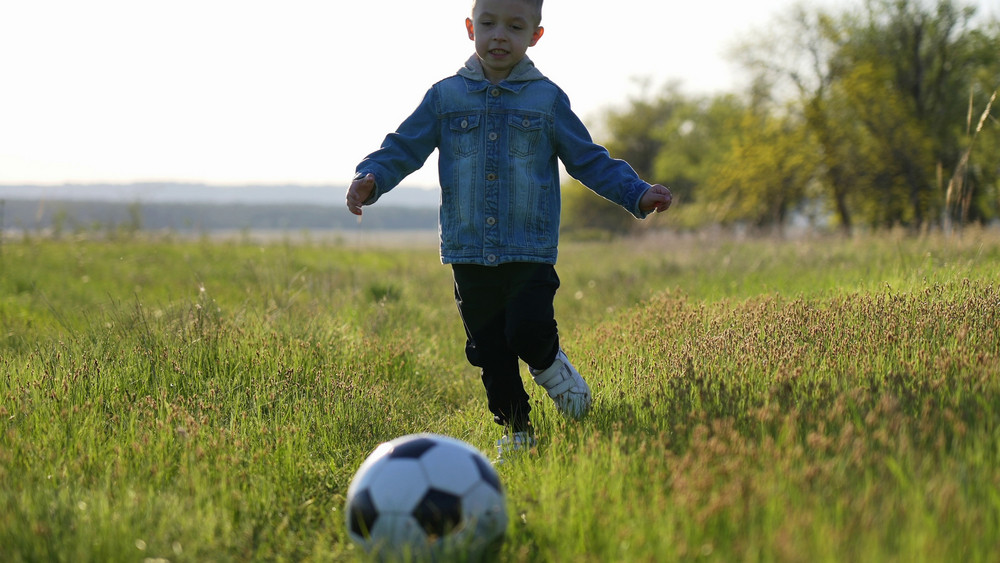
Physical activity is fundamental to the growth and development of individuals of all ages. Engaging in regular exercise not only supports physical attributes but also fosters mental well-being. From enhancing muscle strength to promoting bone density, active lifestyles contribute significantly to overall health. Children who participate in sports and physical activities gain the skills needed for a healthy development, including coordination, balance, and motor skills. Furthermore, daily movement is essential for maintaining a healthy weight and preventing various lifestyle-related diseases. As we delve deeper into how physical activity underpins growth and strength, we uncover numerous benefits that highlight its importance.
Building Strong Muscles and Bones Through Movement
Exercise is crucial for the development of strong muscles and bones. Regular physical activity places stress on bones and muscles, encouraging them to adapt and strengthen over time, which is critical for children and adolescents. Moreover, this adaptation not only enhances physical capabilities but also reduces the risk of injuries and promotes long-term health.
Active children often have the added advantage of improved cardiovascular health, which correlates with stronger muscle and bone development. Physical activities such as soccer, which is played by 26.5% of child athletes according to Jersey Watch, provide an excellent cardiovascular workout. Engaging in such sports promotes endurance and resilience through fun and competition.
Recreational activities like running, jumping, and climbing during outdoor play encourage natural bone strengthening in young individuals. This type of play is particularly effective when various movement patterns are involved, helping children to develop better muscle coordination. Creative, unstructured play is as crucial as organized sports for comprehensive growth and muscular development.
Supporting Coordination, Balance, and Motor Skills
Coordination, balance, and motor skills are vital components of physical development. When children engage in dynamic activities, they sharpen these skills through practice and repetition. This development is most critical during the early years of life, setting the foundation for proficient movements as they grow.
The human brain rapidly forms connections during early development, with 80% of its structure taking shape up to age three, according to UNICEF. Consequently, incorporating physical activities that challenge coordination and balance contributes positively to cognitive development. These structural brain advancements foster improved attention spans and problem-solving abilities later in life.
Activities that involve intricate footwork, catching, or dribbling a ball challenge coordination and fine motor skills. Sports that encourage such precision actively support neural development and enhance physical dexterity. The ability to execute complex movements results from practicing and perfecting these skills over time, ultimately benefiting long-term health.
Encouraging Healthy Growth with Daily Activity
Daily activity is indispensable for maintaining a healthy body composition and preventing diseases associated with a sedentary lifestyle. It is essential for individuals to incorporate regular physical activities early in life to build healthy habits that last a lifetime. Summer camps, which attract over 11 million children and adults in the U.S. each year, offer numerous opportunities for such activities.
Participating in a wide range of activities at summer camps can promote lifelong habits of being active and healthy. The camp environment is designed to engage campers in physical activities while also encouraging social interactions and teamwork. This multifaceted approach to health helps develop self-esteem and a sense of belonging among participants.
Incorporating fun and engaging physical activities into daily routines can effectively promote healthy growth. Whether through organized sports, recreational activities, or casual play, each effort contributes to building an active and healthy lifestyle. By nurturing a positive attitude towards exercise, individuals can experience significant improvements in both physical and mental health.
Physical activity is not just about improving physical abilities but is also fundamental to cognitive and emotional development. With an emphasis on building strong muscles and bones, enhancing coordination, and promoting overall health, the integration of exercise into daily life is a necessity for comprehensive growth. Whether through sports, unstructured play, or planned activities, encouraging an active lifestyle contributes profoundly to long-term health benefits. As we embrace the positive impact of physical activity, it empowers individuals to thrive in a world that increasingly values health and well-being, ensuring a robust foundation for the future.