Introduction
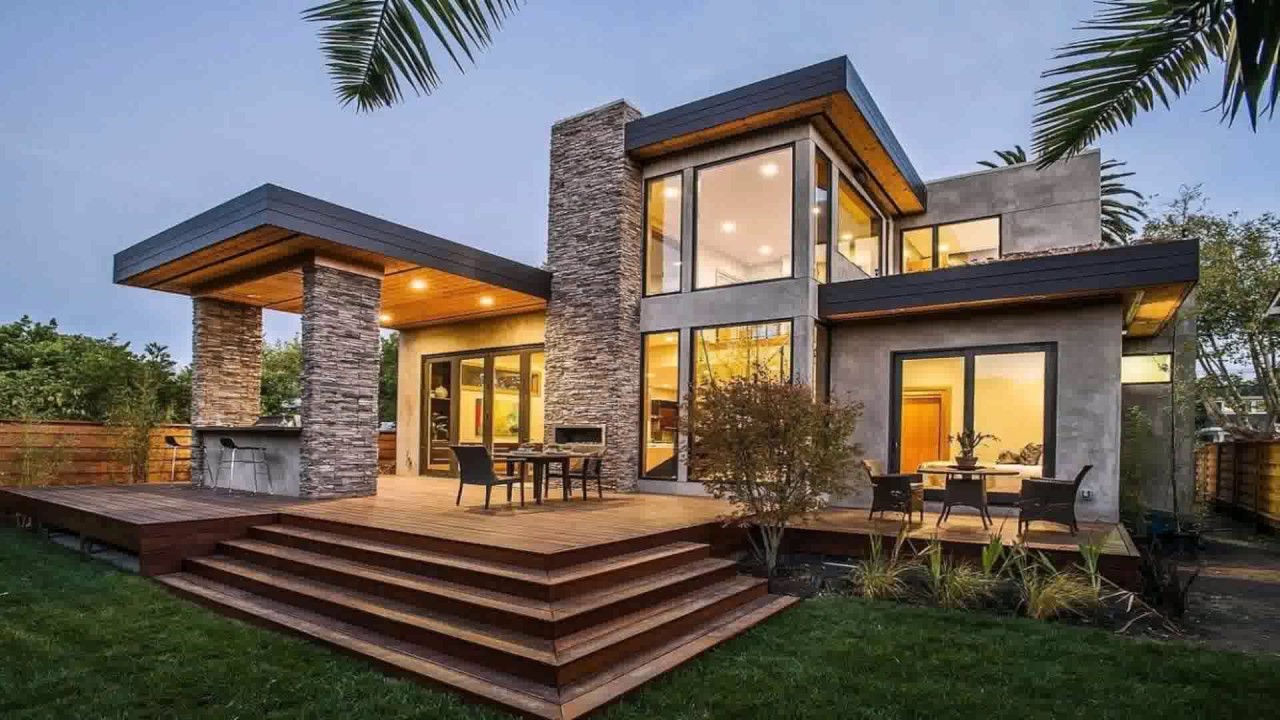
A house is far more than a structure of walls, floors, and a roof — it is the container for your daily life, the space where you build memories, unwind from the world, and connect with the people you love. Many homeowners feel overwhelmed by the endless stream of interior design ideas online, struggling to move beyond viral trends and cosmetic choices to create a space that truly works for them. At EClife, we believe that exceptional house design is not about creating a picture-perfect space for social media, but about crafting a home that aligns with your unique lifestyle, reflects your personality, and balances timeless beauty with everyday functionality. In this guide, we break down our core design principles and actionable interior design ideas to help you navigate the process, whether you are building a new home from scratch or renovating an existing space, and turn your house into a home that feels intentionally made for you.
Core Design Principles & Actionable Interior Design Ideas
1. Center Your Design Around Your Lifestyle, Not Passing Trends
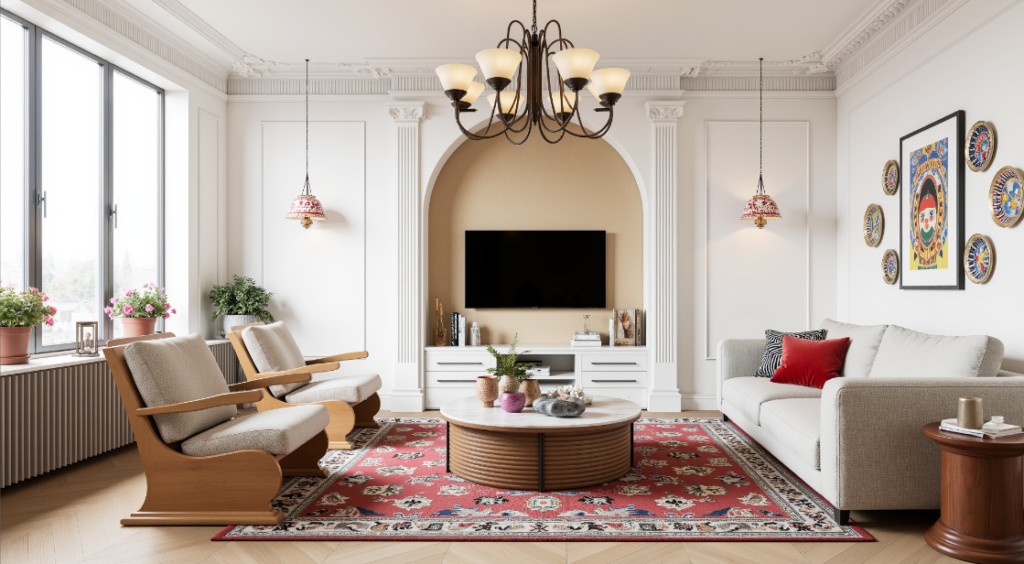
The foundation of any successful interior design project is a deep, honest understanding of how you live in your space. Before you explore paint swatches, furniture catalogs, or trending decor ideas, take the time to map out your daily routines, non-negotiable needs, and long-term priorities. If you work remotely full-time, a quiet, ergonomic home office with dedicated task lighting is non-negotiable; if you have young children or pets, open, easy-to-clean living spaces and durable, stain-resistant materials will serve you far better than high-maintenance, delicate finishes; if you love hosting dinner parties, a seamless flow between your kitchen, dining area, and living room will elevate every gathering.
At EClife, our design process always begins with a personalized lifestyle consultation, ensuring every one of our interior design ideas is tailored to your specific needs, not just the latest viral trend. Trends come and go, but a home designed around how you actually live will feel functional, welcoming, and deeply satisfying for years to come.
2. Prioritize Space Planning: The Backbone of Great House Design
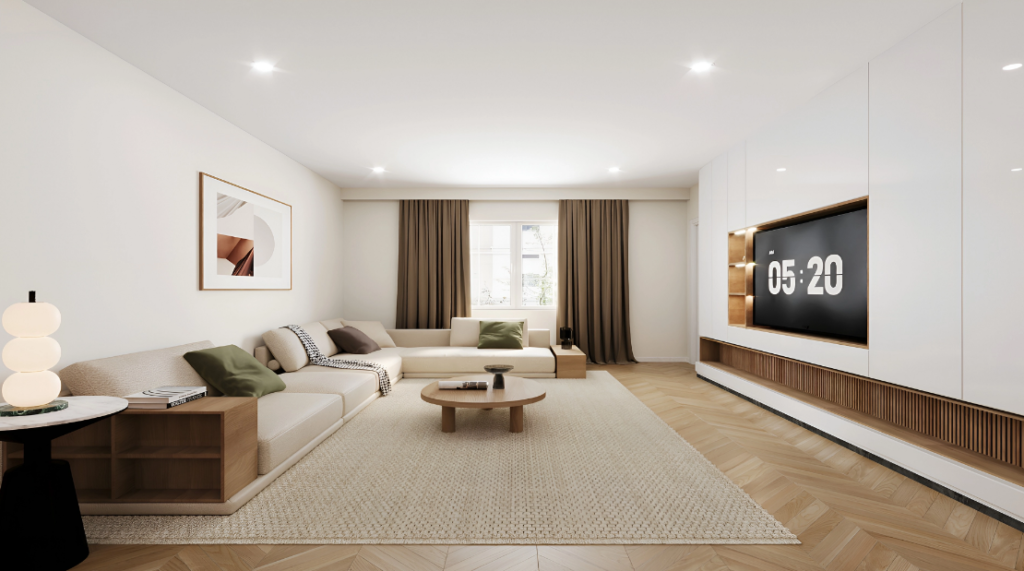
Space planning is the unsung hero of exceptional interior design, yet it is often overlooked by homeowners fixated on cosmetic details. A well-planned home optimizes traffic flow, maximizes every inch of usable space, and creates clear, intentional zones for different activities — even in compact or challenging floor plans.
Our top actionable ideas for thoughtful space planning start with mapping your home’s traffic flow: ensure there are clear, unobstructed paths between high-use areas like the entryway, kitchen, living room, and bathrooms to eliminate bottlenecks and frustration in daily life. Next, balance open and private spaces: open-concept layouts are beloved for family connection and entertaining, but it is critical to include quiet, private nooks for work, relaxation, or alone time to avoid feeling overexposed in your own home. Finally, build in custom storage solutions from the start, as clutter-free space is the foundation of a calm, functional home.
At EClife, our in-house design team specializes in custom space planning, turning even the most awkward floor plans into flowing, efficient homes that make the most of every square foot.
3. Curate a Timeless, Cohesive Color & Material Palette
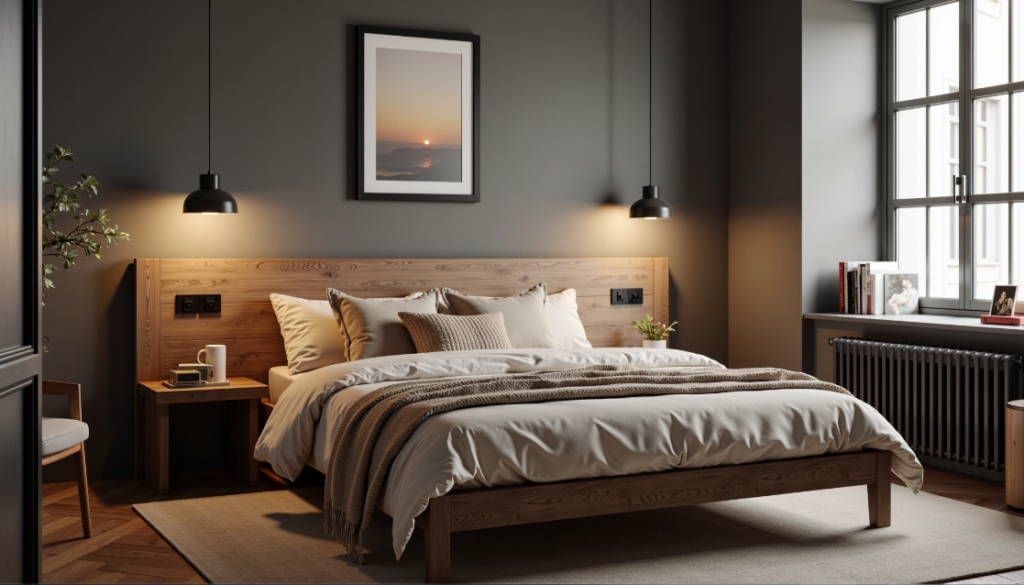
Your color and material palette sets the entire mood of your home, and is one of the most impactful interior design decisions you will make. The best palettes feel cohesive across your entire home, while still allowing each room to have its own unique feel and purpose, rather than treating each space as a disconnected design experiment.
For a timeless, flexible foundation, build your palette around a core of warm, neutral base tones — soft creams, muted beiges, light grays, and natural wood tones — which act as a versatile backdrop that can evolve with your style over time. Then, add depth and personality with secondary accent colors and textured materials, whether that is through statement stone countertops, handcrafted tiles, woven textiles, or a bold accent wall in a bedroom or home office. Always test paint and material samples in your actual space, as natural and artificial light will dramatically shift how a color or finish looks throughout the day.
4. Marry Aesthetics and Functionality in Every Detail
Great house design never forces a choice between beauty and practicality — it seamlessly marries the two in every single detail. A common pitfall for homeowners is choosing pieces that look stunning in photos, but do not hold up to everyday life, or fail to serve a clear purpose in your routine.
Our key interior design ideas for balancing form and function start with layered lighting design, a detail that is often overlooked but transforms how a space feels and functions. Layer three core types of lighting: ambient overhead lighting for overall illumination, task lighting for work zones like kitchen counters and home office desks, and accent lighting to highlight artwork, architectural features, or cozy reading nooks. This creates a warm, flexible atmosphere that adapts to different times of day and activities. Additionally, choose materials and furniture that fit your lifestyle: opt for scratch-proof flooring and stain-resistant upholstery if you have kids or pets, and select furniture scaled to the size of your room to avoid a cramped or empty feel.
5. Build Whole-Home Cohesion for a Unified, Intentional Feel
One of the most common mistakes homeowners make when designing a house is treating each room as a separate, isolated space, resulting in a disjointed, inconsistent home that feels like a collection of unrelated ideas, rather than a unified whole. A truly exceptional home has a clear design thread that runs through every room, while still letting each space have its own distinct purpose and personality.
You do not need to use the exact same color or furniture in every room to create cohesion. Instead, repeat core design elements throughout the home: consistent wood tones, matching metal hardware finishes, complementary shades from the same color family, or matching architectural details like arched doorways or crown molding. This is especially critical for open-concept homes, where the living room, kitchen, and dining area are visible to one another; a cohesive palette and consistent material choices will make the space feel intentional and harmonious, rather than chaotic. At EClife, we take a whole-home approach to interior design, ensuring every room works together to create a unified, thoughtful home that feels complete, not just a collection of separate spaces.
Conclusion
Designing a house is so much more than a renovation or construction project — it is the process of creating a space that will hold your daily routines, your family’s milestones, and your most cherished memories. It is easy to get overwhelmed by the endless interior design ideas and decisions ahead, but by centering your lifestyle, prioritizing thoughtful space planning, curating a timeless palette, balancing beauty and functionality, and building whole-home cohesion, you can create a home that is both stunning and deeply livable.
At EClife, we are passionate about helping homeowners bring their dream homes to life. Whether you are just starting to gather interior design ideas for your first home, or you are ready to build a fully custom luxury house from the ground up, our team of expert designers is here to guide you every step of the way. We offer end-to-end design solutions, fully customized to your style and lifestyle, with endless options to make your home uniquely yours.
Your house is more than just a property — it is the heart of your life. Let EClife help you design a home that fits you perfectly, today and for years to come.