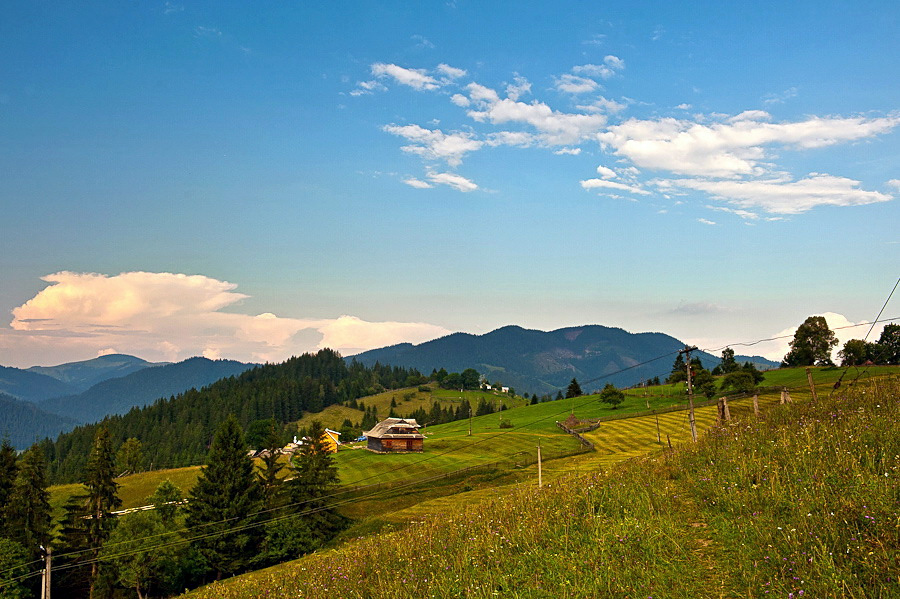
he Zakarpattia region of Ukraine has a distinctive agricultural profile, shaped by its mountainous terrain, mild climate and proximity to European markets. The most common types of farm in this region differ from the large-scale industrial agriculture found in central and southern Ukraine – Zakarpattia is instead characterised by smaller, more diversified and often specialised farming operations that align well with niche markets and value-added production.
Small mixed farms
Due to the fragmented land structure and hilly landscape, large monoculture fields are uncommon. Farmers typically combine crop cultivation with livestock breeding, producing vegetables, grains, dairy products, and meat on a smaller scale. For investors, this model offers opportunities in cooperative development, aggregation, and modernisation, particularly through the introduction of improved equipment or logistics systems.
Horticulture and fruit farming
The favourable climate in Zakarpattia is ideal for growing apples, plums, cherries and berries. Vineyards are also well established, making winemaking an important part of the region’s economy. The region has a long tradition of wine production, and boutique wineries are increasingly targeting both the domestic market and exports. Investors may wish to consider developing branded products, expanding processing facilities https://largos-real.com/en/buyers/farming-en/ or promoting agritourism linked to vineyards and orchards.
Livestock farming
The mountainous pastures are ideal for grazing, supporting dairy and meat production, which is why cattle, sheep and goats are widely raised there. Small-scale dairy farms producing cheese and other artisanal products are commonplace. These operations often prioritise quality over quantity, which aligns with the growing demand for organic, locally sourced food. Investment opportunities include modernising processing facilities, improving storage conditions and developing regional branding strategies.
Greenhouse farming
Farmers use them to extend the growing season for vegetables such as tomatoes, cucumbers and peppers. This approach enables more consistent production despite variable weather conditions. Greenhouse agriculture offers investors scalability and the potential for year-round supply, particularly when combined with modern technologies such as climate control and irrigation systems.
Organic and eco-farming operations
Due to its relatively low level of industrialisation and limited use of intensive chemicals, Zakarpattia is well positioned to obtain organic certification. Many farms already use traditional methods that can be adapted to meet international organic standards. This creates strong export potential, particularly to nearby European Union markets where demand for organic produce is growing.
Finally, agritourism farms represent a growing niche. These farms combine agricultural production with hospitality services, offering visitors experiences such as farm stays, local cuisine and wine tasting. Given Zakarpattia’s natural beauty and cultural diversity, this model is highly appealing. Investors can support the development of infrastructure, marketing, and integration with tourism networks.