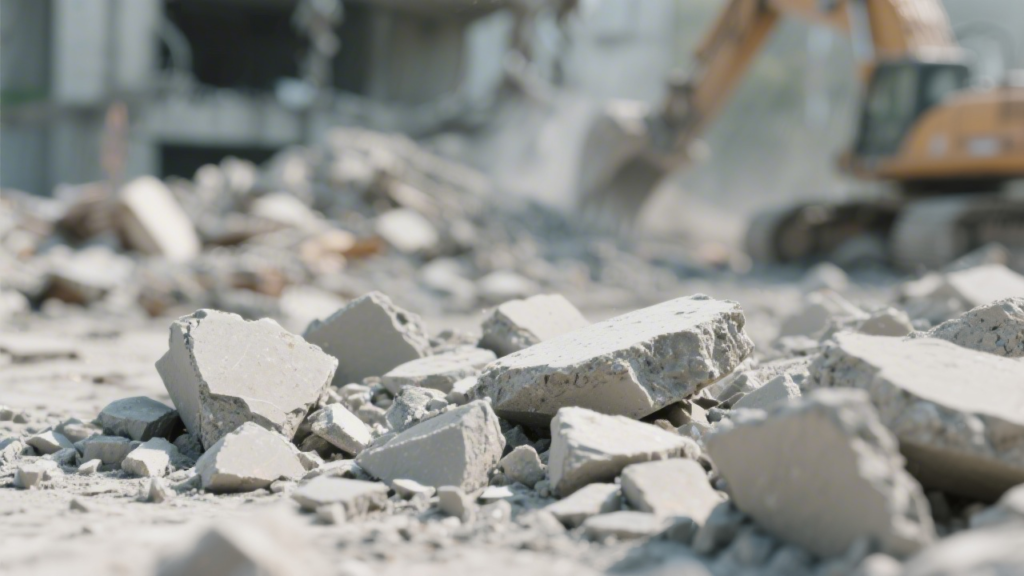
For decades, large stationary crushing plants dominated the aggregate and recycling industries. These massive facilities are capable of processing thousands of tons of material per day, making them ideal for quarries and large recycling yards. However, not every construction project requires that scale of production. In many situations, mobility, flexibility, and efficiency matter far more than raw capacity. This is where compact crushing equipment comes into play. Modern contractors are increasingly turning to solutions like a portable rock crusher to process materials directly at the jobsite rather than transporting debris to large processing facilities.
Today, on-site rock crushing equipment is transforming how smaller and mid-sized projects manage demolition waste, natural rock, and recycled aggregate. Compact machines provide the power needed to process materials efficiently while remaining mobile enough to work in tight or remote environments. Below are five types of jobs where compact crushers consistently outperform large stationary plants.
1. Urban Demolition Projects
Urban demolition sites often present logistical challenges that large stationary crushing plants simply cannot overcome. Space is limited, traffic is heavy, and transporting debris across crowded city streets can be expensive and time-consuming.
A mobile rock crusher for small job sites allows contractors to process concrete, brick, and asphalt directly where demolition occurs. Instead of loading debris into trucks and hauling it across town to a recycling facility, contractors can crush materials immediately and reuse them for road base, fill, or other structural layers.
This approach offers several key benefits:
- Reduced transportation costs
- Less disruption to surrounding traffic
- Faster project timelines
- Lower fuel consumption
In densely populated areas, compact crushers allow contractors to maintain productivity without requiring large equipment footprints.
2. Small Construction and Renovation Sites
Not every construction project takes place on a large open site. Many residential or commercial projects occur in areas where space is extremely limited. Large stationary crushing plants simply cannot be installed in these environments.
A compact rock crusher for construction sites offers a practical solution for these smaller projects. These machines are designed to operate in confined spaces while still delivering the crushing power required to process concrete, natural stone, and other building materials.
Contractors working on building renovations, small commercial developments, or infrastructure repairs can benefit from the ability to crush material directly on-site. This eliminates the need for constant debris removal and material deliveries, which can slow down work and increase project costs.
For contractors operating in tight jobsite conditions, compact crushing equipment provides flexibility that stationary plants cannot match.
3. Road Construction and Infrastructure Repair
Road construction projects frequently involve removing old pavement, breaking up concrete structures, and preparing new base materials. Traditionally, contractors would transport removed materials to a recycling facility and then purchase fresh aggregate for rebuilding the road base.
However, modern compact crusher for concrete recycling solutions allow contractors to process these materials directly at the project location.
Concrete pavement removed during road reconstruction can be crushed and reused as base material for the new road. Asphalt can also be recycled and incorporated into new layers of pavement.
This process significantly reduces:
- Material transportation costs
- Purchase of new aggregate
- Project delays caused by delivery schedules
Using on-site rock crushing equipment also helps contractors maintain better control over material supply, ensuring that construction crews always have the aggregate they need to continue work.
4. Remote or Hard-to-Reach Projects
Some construction and demolition jobs take place in remote areas where transporting materials is extremely difficult. Mining operations, rural infrastructure projects, and utility installations often occur far from major recycling facilities or aggregate suppliers.
In these cases, transporting demolition debris or raw rock over long distances can quickly become prohibitively expensive.
A small mobile crusher for contractors allows materials to be processed directly where they are excavated or removed. Instead of hauling rock or concrete miles away for processing, contractors can crush the material on-site and reuse it for roadways, trench backfill, or structural base layers.
Compact crushers are particularly valuable in remote locations because they are designed to be easily transported and quickly deployed. Many units can be moved with standard trailers and require minimal setup time.
For projects located far from traditional infrastructure, mobile crushing equipment often becomes the most practical solution.
5. Demolition and Recycling Projects
Demolition contractors deal with large quantities of recyclable material every day. Concrete foundations, brick walls, and asphalt surfaces all contain valuable aggregate that can be reused in future construction.
Traditionally, demolition companies transported these materials to recycling facilities where they were processed into aggregate. However, this approach involves multiple stages of loading, hauling, and processing.
A portable rock crusher for demolition projects allows contractors to handle recycling directly on the jobsite.
By crushing materials immediately after demolition, contractors can transform waste into usable aggregate within hours. The resulting material can be reused on-site or transported to other nearby projects where it is needed.
This approach helps demolition companies reduce waste disposal costs while creating an additional source of revenue from recycled aggregate.
Why Compact Crushers Are Becoming Essential for Contractors
Compact crushing equipment has evolved significantly in recent years. Modern machines offer advanced features that make them highly efficient and easy to operate.
Many mobile rock crusher for small job sites models now include:
- Hydraulic adjustment systems for output size control
- Remote operation capabilities
- Integrated feeders for consistent material flow
- Reduced fuel consumption compared to older machines
These improvements allow compact crushers to deliver impressive performance while maintaining the portability needed for dynamic jobsite environments.
For contractors who regularly handle demolition debris, natural rock, or recycled concrete, investing in compact crushing equipment can dramatically improve operational efficiency.
Mobility vs Production Capacity
While large stationary plants still dominate high-volume aggregate production, their size and infrastructure requirements make them unsuitable for many construction environments.
Stationary facilities require significant space, permanent foundations, and continuous material supply to operate efficiently. These requirements make them ideal for quarries and centralized recycling yards but impractical for most jobsite operations.
In contrast, compact rock crusher for construction sites solutions prioritize mobility and adaptability. Contractors can transport them from project to project, allowing the same machine to serve multiple jobs throughout the year.
For contractors working on diverse projects with varying material processing needs, this mobility provides a major operational advantage.
The Future of Jobsite Material Processing
As construction practices continue to evolve, more companies are recognizing the value of on-site material processing. Rising fuel costs, stricter environmental regulations, and growing demand for sustainable construction methods are all pushing contractors toward more efficient material management strategies.
Compact crushers allow companies to process materials directly where they are generated, reducing waste and improving project efficiency.
With advancements in on-site rock crushing equipment, contractors now have access to powerful machines that combine portability with high-performance crushing capabilities.
These innovations are helping reshape the construction industry by giving contractors greater control over their materials, costs, and project timelines.
A Practical Tool for Modern Construction
Large stationary plants will always play an important role in large-scale aggregate production. However, for many construction and demolition projects, mobility and efficiency are far more important than maximum throughput.
From urban demolition to remote infrastructure work, compact crushing equipment continues to prove its value across a wide range of applications.
By enabling contractors to process materials directly on the jobsite, compact crushers help reduce transportation costs, improve sustainability, and increase overall project efficiency.
In many modern construction scenarios, compact crushers are no longer just a convenient option – they are becoming an essential tool for staying competitive in a rapidly evolving industry.