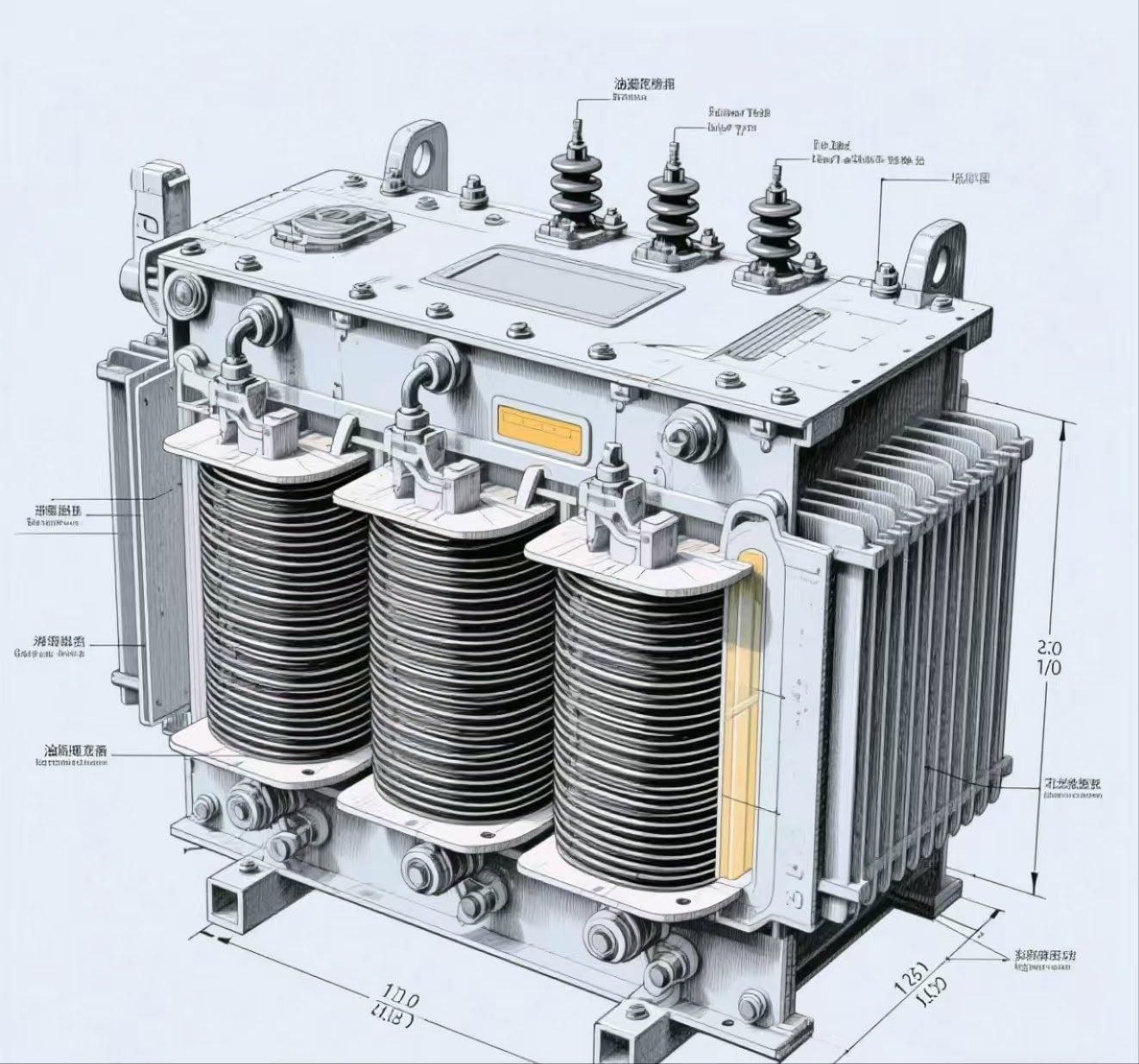
Electrical infrastructure is one of the most important yet overlooked components of a commercial building. While lighting, equipment, and technology systems often get the attention, the transformer that supports a building’s electrical distribution plays a crucial role behind the scenes. As businesses expand and energy demands increase, older transformers may struggle to keep up.
For many commercial properties, upgrading transformers is a practical step toward improving efficiency, preventing outages, and supporting future growth. Whether a facility is expanding operations, installing new equipment, or modernizing its electrical system, transformer upgrades can significantly impact performance and reliability.
Understanding the Role of Transformers in Commercial Buildings
A transformer is responsible for converting electricity from the utility grid into the voltage levels required by a building’s electrical systems. Without this conversion, the power delivered from the grid would not be usable by most equipment or infrastructure.
In commercial environments, transformers support a wide range of operations, including:
- Lighting systems
- HVAC equipment
- Elevators and escalators
- Manufacturing machinery
- Data centers and IT infrastructure
- Electric vehicle charging stations
Because transformers regulate voltage distribution across a facility, their performance directly affects the reliability and safety of electrical systems throughout the building.
If a transformer becomes outdated or overloaded, it can create inefficiencies, increase energy waste, and even cause equipment failures.
Signs That a Transformer Upgrade May Be Needed
Many commercial buildings operate with transformers that were installed decades ago. While these units may still function, they might not be optimized for modern electrical loads.
Several warning signs can indicate that a transformer upgrade should be considered.
Increasing Energy Demand
Businesses often expand their electrical needs over time. Adding new equipment, expanding office space, or installing advanced technology can significantly increase power consumption.
If the existing transformer was not designed to handle these higher loads, it may operate under constant strain.
Frequent Electrical Issues
Recurring electrical problems such as voltage fluctuations, overheating equipment, or breaker trips can sometimes be traced back to an overloaded or aging transformer.
These issues can disrupt operations and damage sensitive equipment.
Rising Energy Costs
Older transformers tend to be less efficient than modern models. They may lose energy during voltage conversion, which increases overall electricity consumption.
Upgrading to a newer transformer can improve efficiency and reduce long-term energy costs.
Expansion or Renovation Projects
When businesses renovate or expand their facilities, the electrical infrastructure must often be reassessed. Construction projects are a common time to evaluate whether existing transformers can support future electrical demand.
Benefits of Upgrading Commercial Transformers
Investing in transformer upgrades can provide several operational and financial benefits for commercial facilities.
Improved Electrical Reliability
Modern transformers are designed to handle higher electrical loads and operate more efficiently. This reduces the risk of power disruptions and improves system stability across the building.
Reliable electrical infrastructure helps businesses avoid costly downtime and equipment damage.
Greater Energy Efficiency
Newer transformer technology reduces energy loss during voltage conversion. Even small efficiency improvements can lead to noticeable energy savings in facilities that consume large amounts of power.
Over time, these savings can offset the cost of the upgrade.
Support for Modern Technology
Many businesses are integrating advanced technology into their operations, including:
- Smart building systems
- Automated equipment
- High-performance computing infrastructure
- Electric vehicle charging stations
These technologies often require consistent and reliable electrical power. Upgraded transformers ensure that power distribution remains stable as technology demands grow.
Increased Electrical Capacity
One of the most important benefits of upgrading transformers is increased electrical capacity. This allows businesses to add equipment, expand operations, or modify building layouts without overloading existing electrical systems.
Future-proofing electrical infrastructure helps organizations adapt to evolving operational needs.
Safety Advantages of Transformer Upgrades
Electrical safety is another critical reason many organizations pursue transformer upgrades.
Older transformers may not meet current safety standards or may have components that degrade over time. Insulation materials can break down, cooling systems may become less effective, and internal components can wear out.
Modern transformer systems include improved safety features such as:
- Better thermal protection
- Advanced insulation materials
- Improved cooling systems
- Enhanced monitoring capabilities
These improvements reduce the risk of electrical failures, overheating, and fire hazards.
Planning a Successful Transformer Upgrade
Upgrading a transformer requires careful planning and coordination. Businesses should start with a professional electrical assessment to determine the current load demands and evaluate future growth projections.
During the planning phase, several factors are typically considered:
- Current electrical usage
- Anticipated load increases
- Facility expansion plans
- Equipment requirements
- Energy efficiency goals
Working with experienced professionals ensures the transformer upgrade is properly sized and integrated with the building’s existing electrical infrastructure.
For organizations operating in technology-heavy and rapidly growing regions, services such as transformer upgrades for Bay Area businesses can help companies modernize their electrical systems while preparing for future energy demands.
A strategic upgrade can strengthen the overall electrical network of a facility while improving long-term operational stability.
When to Schedule an Electrical Infrastructure Evaluation
Many facility managers only evaluate electrical infrastructure after a problem occurs. However, proactive assessments can prevent major disruptions and identify opportunities for improvement.
Businesses should consider scheduling an electrical evaluation when:
- Expanding operations
- Installing high-power equipment
- Experiencing repeated electrical issues
- Upgrading HVAC or industrial systems
- Planning building renovations
Electrical professionals can analyze load capacity, inspect transformer performance, and recommend upgrades that align with operational goals.
Conclusion
Transformers play a foundational role in the electrical systems that power commercial facilities. As businesses grow and technology demands increase, older transformers may no longer provide the capacity, efficiency, or reliability required for modern operations.
Upgrading transformers helps improve electrical performance, enhance safety, and support long-term scalability. From reducing energy waste to preventing costly downtime, these upgrades can provide significant operational benefits.
For organizations planning facility upgrades or experiencing rising power demands, exploring options such as transformer upgrades for Bay Area businesses can be an important step toward building a more reliable and future-ready electrical infrastructure.