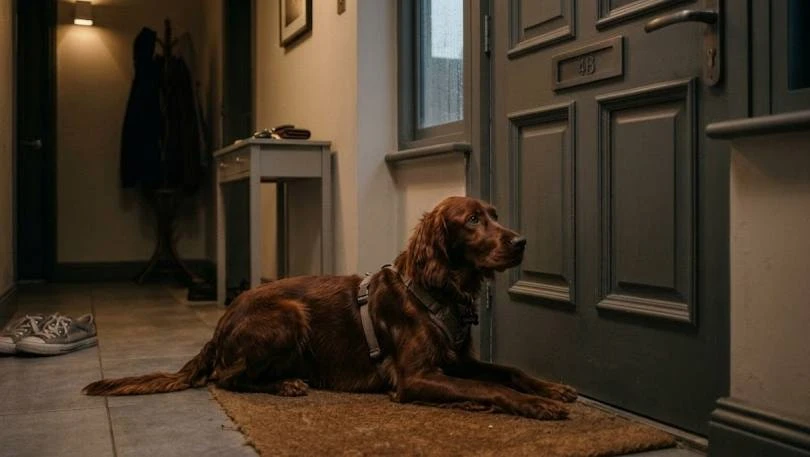
Dog separation anxiety is a common behavioral issue. It happens when a dog feels intense stress or panic when left alone. Anxiety-driven behaviors can affect a dog’s emotional well-being, daily routines, and household harmony.
The key is helping the dog build confidence. Effective training reduces stress, encourages independence, and gradually teaches that being alone is safe. With consistent routines and positive reinforcement, most dogs can learn to stay calm and confident when their owners are away.
What Separation Anxiety Looks Like and Why It Happens
Separation anxiety signs can vary widely depending on the dog’s personality and past experiences. Some dogs show mild stress signals, while others display intense panic behaviors the moment their owner prepares to leave. With patience, consistent routines, and supportive training, most dogs can gradually learn to feel safe and calm even when they are home alone.
Common signs of separation anxiety in dogs include:
- Excessive barking or whining when left alone
- Destructive chewing or scratching near doors and windows
- Pacing or restless behavior
- Attempts to escape crates or rooms
- House-soiling despite being house-trained
These behaviors are not acts of disobedience. Instead, they are expressions of stress. Understanding this distinction is essential for effective dog behavior management.
Causes of Dog Separation Anxiety
Several factors can contribute to a dog developing separation anxiety, and understanding them helps address the root of the stress rather than just reacting to behaviors.
- Changes in routine. Moving to a new home, a different work schedule, or travel can create uncertainty and make a dog feel insecure. Dogs rely on predictable patterns, so even small disruptions can trigger anxiety.
- Lack of alone time. Dogs rarely left alone may struggle to develop independent coping skills and become overly reliant on their owner’s presence.
- Past experiences. Shelter dogs or recently adopted pets may have endured uncertainty or abandonment, increasing sensitivity to being left alone.
- Insufficient mental stimulation. Dogs lacking engaging activities often have pent-up energy and stress, which can intensify behaviors like pacing, barking, or destructive chewing when alone.
Recognizing these underlying causes allows owners to focus on structured dog anxiety training that builds confidence and calmness, instead of merely trying to suppress anxious behaviors.
Practical Training Strategies to Reduce Anxiety
Structured training programs often combine gradual alone-time training, confidence building, and consistent positive reinforcement to help dogs cope with anxiety. Owners looking for a more detailed step-by-step breakdown can explore resources that explain how to handle separation anxiety in dogs effectively and apply gradual behavioral modification techniques that prioritize emotional stability.
Successful training focuses on gradual progress. Desensitization teaches dogs that departures are normal and temporary. Start with very short separations, returning before the dog becomes distressed, and gradually increase the duration.
Neutralize departure cues, like picking up keys or putting on shoes, by practicing them without leaving. Reinforce calm behavior with praise, treats, or quiet attention.
Combined with enrichment toys, predictable routines, and environmental management, this structured approach builds confidence and long-term calmness.
Building Confidence Through Routine and Mental Engagement
Dogs thrive on structure. A consistent dog routine helps reduce uncertainty and creates emotional stability throughout the day.
A well-balanced schedule typically includes:
- Daily walks and physical activity
- Regular feeding times
- Short training sessions
- Quiet rest periods
- Interactive play and mental stimulation
Mental enrichment is particularly important for anxious dogs. Puzzle toys, scent games, and food-dispensing toys encourage problem-solving and reduce boredom during dog alone time.
Confidence building is another critical component of training. Simple exercises such as short “stay” commands, independent play sessions, or crate relaxation practice help dogs gradually develop coping skills.
Crate training tips can also support anxious dogs when used correctly. The crate should never feel like punishment. Instead, it should become a comfortable resting space where the dog feels secure. Soft bedding, familiar scents, and calm associations help the crate become a relaxation zone rather than a confinement space.
When routines remain predictable and mentally engaging, dogs are far less likely to interpret alone time as something threatening.
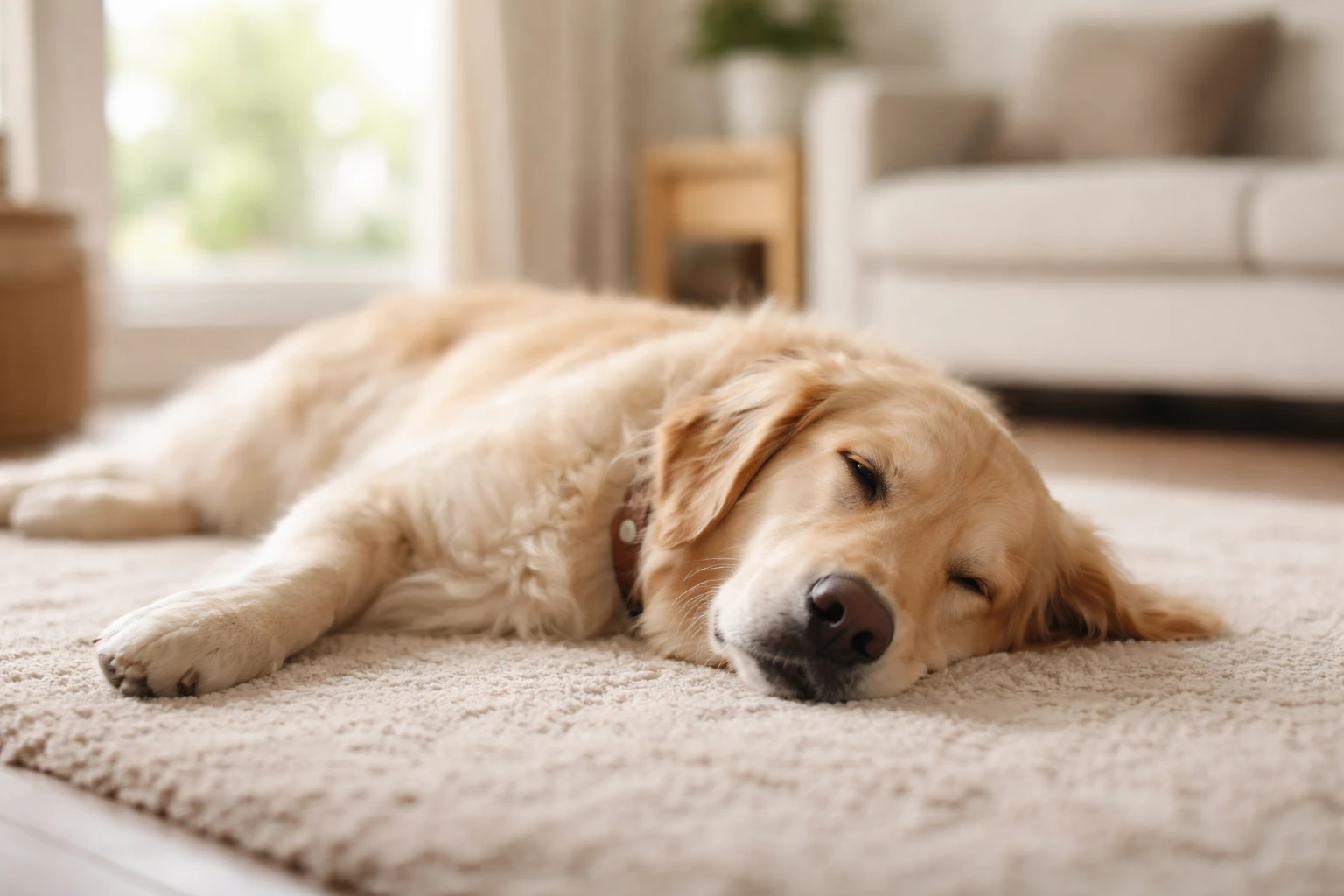
When and How Expert Support Helps Your Dog’s Training
In some cases, separation anxiety becomes difficult to manage without structured guidance. Dogs that show extreme distress, destructive behavior, or persistent vocalization may need a more personalized dog training plan.
Professional dog obedience support can help owners identify subtle behavioral triggers and adjust training strategies accordingly. This is particularly valuable when a dog’s anxiety stems from multiple factors, such as past trauma, inconsistent routines, or lack of early socialization.
Digital training platforms have also made expert support more accessible. A puppy training app or online training resource can provide structured lessons, progress tracking, and practical exercises tailored to real-life situations.
For owners who need individualized feedback, it can be helpful to ask a dog expert online for personalized training support, especially when developing a long-term dog behavior management plan. Platforms such as PawChamp connect owners with experienced trainers who can analyze behavior patterns and suggest targeted training adjustments.
Personalized guidance ensures that training remains consistent and adapted to the dog’s personality, which significantly improves long-term success.
Long-Term Success: Encouraging Calm Alone Time and Independent Behavior
Reducing separation anxiety takes patience and consistency. Structured routines and predictable daily patterns give dogs a sense of security, helping them understand that being alone is safe.
Providing mental and physical enrichment during alone time can make a big difference. Puzzle toys, safe chew items, and short independent play sessions help dogs release energy and strengthen their ability to self-soothe.
Expert guidance is valuable for dogs with persistent anxiety. Trainers can assess behavior, suggest tailored exercises, and guide owners through achievable steps. Support from expert-backed programs, like those offered by PawChamp, helps owners stay consistent and reassures the dog.
With patience, structured enrichment, consistent routines, and professional support when needed, most dogs learn healthy coping strategies. Over time, separation anxiety decreases, allowing both dogs and owners to enjoy calmer, more confident, and trusting days together.