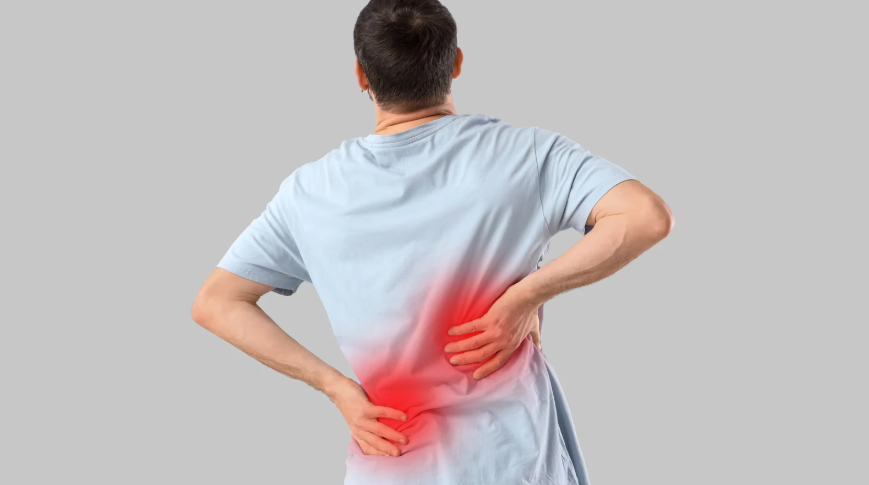
Back pain can develop for many different reasons, and understanding the underlying cause is essential for proper care. While symptoms may feel similar, the origin of discomfort often falls into distinct categories that respond to different clinical approaches. Many individuals seeking clarity about back pain in Davie find that distinguishing between mechanical and inflammatory causes helps guide appropriate evaluation and treatment planning. These two forms of back pain differ in how they start, how they behave throughout the day, and how they respond to professional care. Recognizing these differences supports better outcomes and long-term spinal health.
What Defines Mechanical Back Pain
Before comparing both types, it is helpful to understand mechanical back pain on its own. This form is the most common and is typically linked to movement posture or physical strain. Mechanical back pain often develops due to muscle tension, joint restriction, or spinal alignment issues. It tends to worsen with activity and improve with rest. Sitting for extended periods, lifting improperly, or repetitive motions can all contribute to this type of discomfort. Symptoms may fluctuate throughout the day depending on physical demands. In many cases, posture plays a significant role, which is why discussions around is poor posture causing your back pain? are commonly integrated into clinical evaluations. Addressing movement patterns and spinal mechanics through professional care can help restore balance and reduce recurring strain.
Understanding Inflammatory Back Pain
A brief transition helps clarify how inflammatory pain differs in presentation and progression. This type is less common but requires careful attention. Inflammatory back pain is often associated with underlying systemic conditions that affect the joints and connective tissues. Unlike mechanical pain, it may feel worse during rest, especially at night or early morning. Stiffness that lasts for extended periods after waking is a hallmark feature. Physical activity may temporarily ease discomfort rather than aggravate it. Because inflammation is driven by internal processes rather than mechanical stress, this form of back pain often requires a different diagnostic approach and coordinated care strategy. Early identification is important to prevent long-term joint damage and mobility limitations.
Key Differences in Symptoms and Daily Patterns
Comparing daily patterns provides further insight into how these conditions affect quality of life. A short explanation bridges clinical features with patient experience. Mechanical pain usually has a clear trigger, such as lifting, bending, or prolonged sitting, and symptoms often improve with targeted rest and corrective care. Inflammatory pain tends to be more persistent and less predictable, with discomfort that may not correlate directly with physical activity. Understanding these patterns allows professionals to tailor care plans that address the root cause rather than only managing symptoms. Accurate differentiation also reduces the risk of delayed treatment for inflammatory conditions.
Importance of Professional Evaluation
Another distinction lies in how each type is assessed and managed. This paragraph connects diagnosis with appropriate care pathways. Because symptoms can overlap, professional evaluation is essential for accurate identification. Clinical assessments may include movement analysis, medical history, and response to activity or rest. Mechanical issues often respond well to structured spinal care, while inflammatory conditions may require collaboration with other healthcare providers. Professional oversight ensures that care strategies align with the specific nature of the pain and support long-term spinal function.
Conclusion
Understanding the difference between mechanical and inflammatory back pain helps clarify why symptoms behave differently and why treatment approaches vary. Mechanical pain is often linked to movement and posture, while inflammatory pain reflects deeper systemic processes. Accurate identification through professional evaluation supports targeted care and improved outcomes. Recognizing these distinctions empowers individuals to pursue appropriate clinical support and maintain healthier spinal function over time.