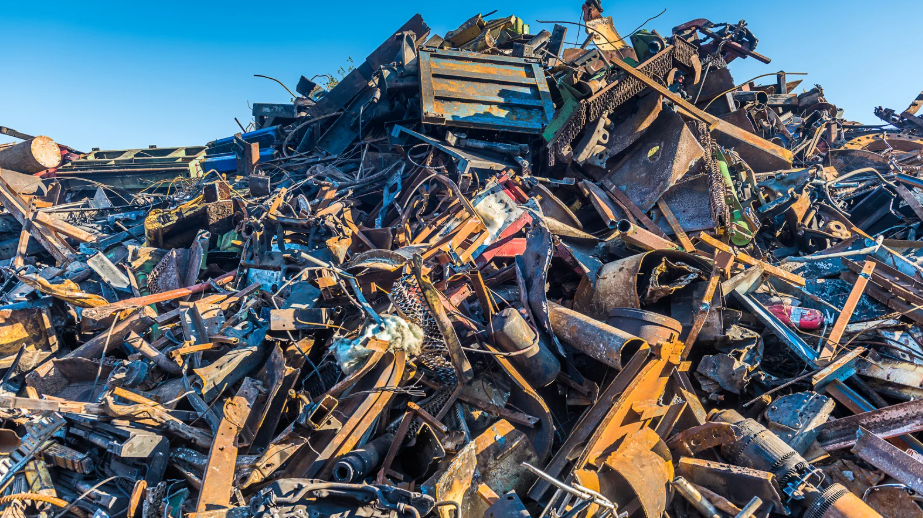
A modern recycling facility is a bustling hub of industrial activity, skillfully transforming discarded waste into valuable raw materials. Many people might see these locations as simple drop-off points for old metal, but a highly sophisticated and logistical system operates just out of sight. The process is a fascinating blend of heavy machinery and precise methodology. For anyone using a scrap yard in Calhoun, the journey of your metal is only just beginning once you pull onto the scale.
The Intake and Weighing Process
The entire operation starts at the scale, which serves as the main checkpoint for all incoming materials. When a vehicle arrives carrying scrap, it is weighed to determine a gross weight before any unloading occurs. This step is crucial for ensuring accurate payment and maintaining precise inventory records. During this initial phase, trained inspectors carefully examine the load for safety and quality control. They identify and flag prohibited items such as sealed tanks, batteries, or hazardous fluids that could pose a risk during processing. This thorough screening is designed to protect workers and maintain the purity of the recycled product.
Sorting and Segregation
Once the material is accepted and unloaded, the critical work of separation and sorting begins. The efficiency of a scrap yard depends heavily on its ability to keep different types of metals separate, as mixed or contaminated loads are far less valuable to smelters and manufacturers.
Ferrous Versus Non-Ferrous
The most fundamental division is between ferrous metals, which contain iron, and non-ferrous metals. Large cranes equipped with powerful electromagnets are used to lift and move vast quantities of steel and iron from mixed piles. These magnets effortlessly pull the ferrous items away, leaving behind materials like aluminum, copper, and brass. This magnetic separation technique is one of the quickest and most effective ways to process bulk loads, especially from construction debris or shredded automobiles. For those planning a visit, thinking about some questions to ask when you visit a scrap yard can prepare you for the experience.
Advanced Sorting Methods
While magnets handle the heavy lifting for steel, other materials often require more detailed sorting techniques. Skilled workers may sort valuable items like copper wire or brass fittings by hand to ensure maximum purity. In more technologically advanced facilities, automated systems use sensors, X-rays, and air jets to separate different alloys based on their unique properties, such as density and conductivity. This ensures the final sorted product meets the strict chemical specifications required by mills and foundries.
Processing and Densification
After sorting, the metals must be processed into a form that is easy to transport and melt. The primary goal of this stage is to increase the density of the material, which allows for more efficient and cost-effective shipping.
Shearing and Shredding
Large, bulky pieces of structural steel or industrial machinery are often too big to be fed directly into a furnace. Hydraulic shears, which function like giant scissors, cut these heavy items into more manageable sizes. For consumer goods like cars and appliances, massive industrial shredders tear the metal into fist-sized chunks. This process increases the surface area, helping the metal melt faster and more evenly when it reaches the mill.
Baling and Compacting
Lighter materials, such as aluminum siding or beverage cans, are typically compressed into large cubes known as bales. Powerful balers use immense hydraulic pressure to squeeze loose metal into tight, stackable blocks. These bales are simple to load onto trucks or railcars, and they maximize the total weight that can be transported in a single shipment. This step is essential for reducing logistics costs and lowering the overall carbon footprint of transportation.
Conclusion
The operations inside a modern scrap yard are a complex and impressive combination of heavy industrial power and precise logistical planning. From the initial weigh-in and inspection to the final shipment of processed materials, every step is carefully designed to maximize the recovery of valuable resources. Understanding this intricate process reveals the vital role these facilities play in the global manufacturing economy. By efficiently turning waste products into reusable raw materials, scrap yards support both environmental sustainability and industrial progress.