
Key Takeaways
- Understanding the importance of a resilient IT infrastructure in modern business.
- Identifying common challenges and threats to IT systems.
- Implementing strategies to enhance IT resilience.
- Leveraging emerging technologies for infrastructure improvement.
- Recognizing the role of managed services in strengthening cybersecurity.
In today’s fast-paced business environment, technology forms the backbone of daily operations. Companies increasingly rely on digital systems for communication, data management, and customer engagement, making IT infrastructure a critical factor in overall efficiency. Ensuring that networks, servers, and applications are robust and reliable can help organizations avoid costly downtime and maintain smooth operations even during unexpected disruptions. Strategic planning and proactive management are key to creating a system that can adapt to changing demands while maintaining security and performance.
Partnering with experienced providers like Elevate Services Group Denver can offer valuable insights into building and maintaining such systems. By assessing existing setups and implementing scalable solutions, businesses can strengthen their technological foundation. This approach not only supports current operational needs but also prepares organizations to embrace future innovations without compromising stability or continuity. A resilient IT framework ultimately enables companies to operate confidently in a constantly evolving digital landscape.
Understanding IT Infrastructure Resilience
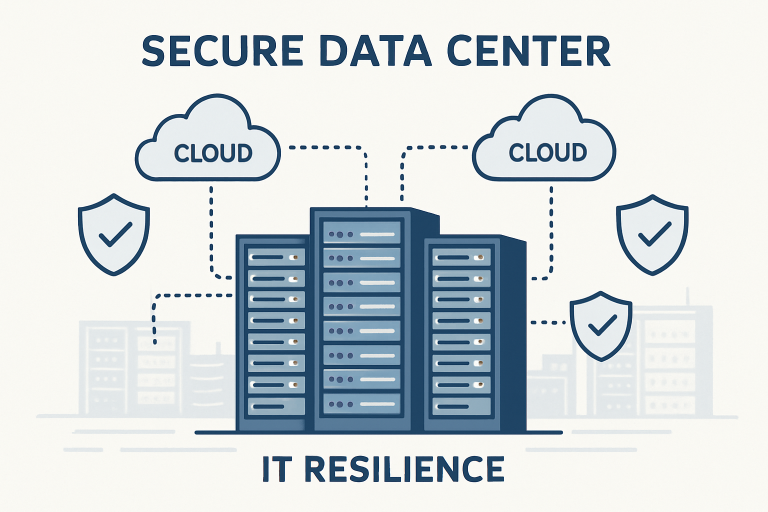
IT infrastructure resilience refers to the ability of systems to absorb shocks, recover rapidly, and continue functioning despite unexpected incidents. Businesses cannot afford prolonged downtime. Fast recovery is necessary to maintain service levels, protect customer data, and safeguard revenue streams. Resilient infrastructure is not a static setup; it’s an ongoing process of review, improvement, and adaptation as new technology and threats emerge. Resilient systems help organizations avoid costly downtime and respond effectively to market shifts by facilitating seamless integration among legacy and modern solutions.
Common Challenges and Threats
Modern business infrastructure is under constant attack from various threats. Some of the most pressing challenges include:
- Legacy Systems: Older technology often lacks integration capabilities, slowing progress and increasing vulnerability to attacks. Compatibility issues make digital transformation more complex.
- Cybersecurity Threats: The increasing frequency and sophistication of cybercrime pose a daily risk to organizations. Ransomware, phishing, and malware attacks can compromise data, threaten regulatory compliance, and severely impact operations.
- Human Error: Mistakes in system configuration or maintenance are a leading cause of breaches and outages. Proper training and clear protocols are essential.
Strategies to Enhance IT Resilience
- Adopt a Systems-Thinking Approach: Integrating IT operations with effective service management leads to a cohesive, adaptable system. This approach helps organizations innovate while balancing risk and regulatory requirements. It streamlines processes and ensures that each department aligns with overall strategic goals.
- Implement Proactive Maintenance: Shift from a reactive “break-fix” model to proactive maintenance to detect and address issues before they become critical. Tools that monitor system health, performance, and security posture help minimize unplanned outages and improve reliability.
- Leverage Cloud Services: Modern cloud platforms provide dynamic scalability and facilitate disaster recovery. Migrating critical workloads to the cloud enhances redundancy and flexibility, increasing resilience in the face of unexpected demand or incidents.
Emerging Technologies for Infrastructure Improvement
Investing in innovation is vital to achieving long-lasting infrastructure resilience. The strategic adoption of advanced technology means organizations stay ahead of potential disruptions:
- Artificial Intelligence (AI): AI-powered analytics can predict hardware failures, optimize networks, and flag unusual behavior that could signal cyber threats. Automation further strengthens response actions, reducing the risk of human error and improving operational efficiency.
- Internet of Things (IoT): Connected devices enable real-time monitoring of equipment and systems, allowing issues to be addressed before they impact the business. Data collected from IoT sensors can improve asset tracking, enhance preventative maintenance, and support faster decision-making.
The Role of Managed Services in Cybersecurity
Managed service providers (MSPs) add specialized resources and expertise to reinforce an organization’s cybersecurity readiness. Their continuous monitoring and advanced risk management strategies help minimize the likelihood of costly incidents. By working with an MSP, businesses can integrate the latest security protocols, such as Zero Trust Network Access (ZTNA) and Secure Web Gateway (SWG), benefiting from automated threat detection and rapid incident response. Leveraging managed services enables companies of all sizes to protect against sophisticated cyber threats while focusing on their core business operations.
Conclusion
Building a resilient IT infrastructure is no longer optional in a connected economy. It is essential for ensuring business continuity, customer trust, and long-term competitiveness. By understanding common challenges, applying strategic best practices, and embracing innovation, organizations can develop IT systems that withstand disruption and power future growth.