Portable solar generators are becoming a popular choice for people who want clean, portable, and reliable power. Whether you are camping, working remotely, or preparing for emergencies, these generators provide a convenient way to keep your devices running without relying on traditional electricity. But a common question many people ask is: how long can a portable solar generator actually power devices? The runtime of a generator depends on several factors, including its battery capacity, the devices being powered, and the conditions in which it is used. Understanding these factors can help you plan your power usage more efficiently and get the most out of your generator. In this guide, we’ll break down everything you need to know about solar generator runtime, the devices it can power, and tips for extending its usage.
What Determines the Runtime of a Portable Solar Generator?
Battery Capacity and Watt-Hours
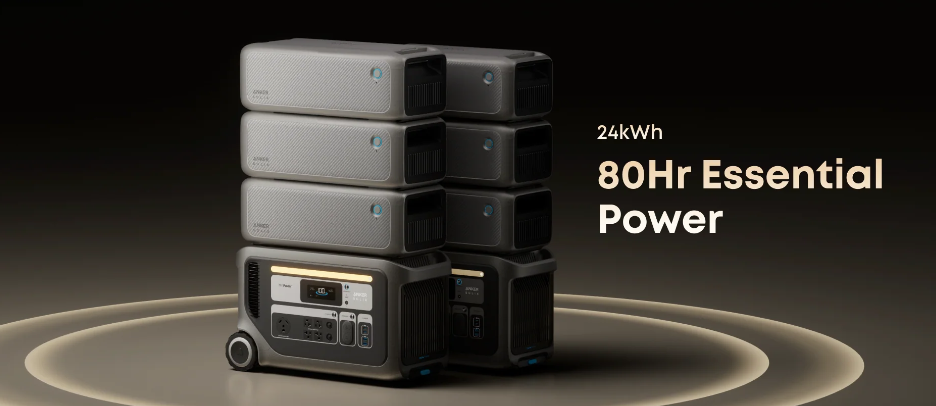
The battery capacity is the most important factor in determining how long a solar generator can run your devices. It is typically measured in watt-hours (Wh), which represents the total amount of energy the generator can store. The higher the watt-hour rating, the longer the generator can power your devices. For example, a generator with a 500 Wh battery can theoretically run a 50-watt device for about 10 hours (500 ÷ 50 = 10). However, real-world conditions can reduce this time slightly due to energy loss during conversion. Generators with larger capacities are ideal for people who need to power multiple devices or high-demand appliances for extended periods.
Device Power Requirements
The power consumption of your devices also affects how long your generator will last. Small electronics like smartphones or LED lights use very little energy, often just a few watts. In contrast, laptops, mini-fridges, and other household appliances require much more power. To calculate runtime, divide the generator’s watt-hour capacity by the device’s power consumption in watts. For instance, a 300 Wh generator powering a 60 W device will last roughly 5 hours. Running multiple devices at once will further reduce the total runtime. Understanding the power requirements of each device helps you estimate how long your generator can sustain them.
Solar Panel Input and Sunlight Availability
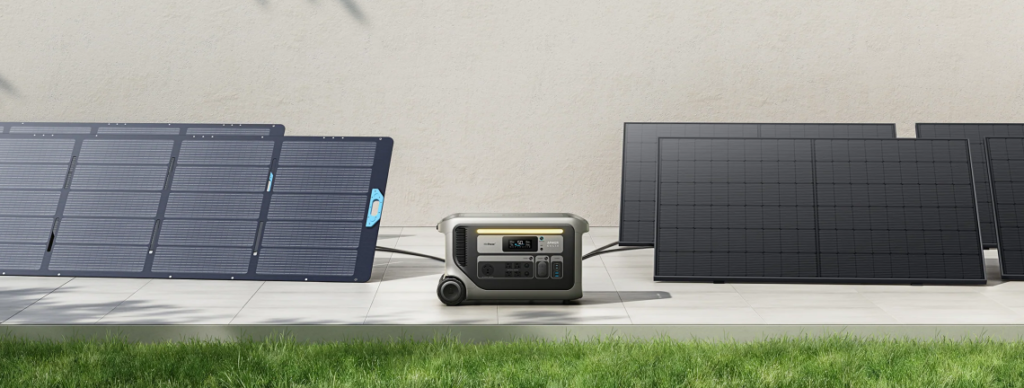
A portable solar power generator relies on solar panels to recharge, so sunlight plays a key role in how long it can power devices continuously. Panels with higher wattage can recharge the battery faster. However, cloud cover, shadows, or shorter daylight hours will slow the recharge process. For outdoor use, it’s important to position panels for maximum sun exposure. Some generators allow for additional panels to be connected, which can significantly reduce recharge time and extend the generator’s ability to run devices. Keeping track of sunlight availability ensures your generator performs optimally.
How Long Can Common Devices Run on a Portable Solar Generator?
Charging Smartphones and Tablets
Smartphones and tablets are low-power devices, making them ideal for portable solar generators. Most smartphones use between 5 to 10 watts per hour. This means a small generator with a 200 Wh battery could charge a smartphone 10–15 times before needing a recharge. Tablets, which typically use slightly more power, may last 5–7 full charges on the same battery.
Running Laptops and Small Appliances
Laptops usually consume 40–60 watts per hour. A 500 Wh generator can run a laptop for 8–12 hours depending on usage. Small appliances like mini fans, LED lights, or small electric cookers will also draw varying amounts of power. Understanding the wattage of each device allows you to plan usage and avoid overloading the generator.
Powering Larger Devices and Outdoor Gear
Generators with higher capacities can handle larger devices such as mini-fridges, electric grills, or medical equipment. However, these devices often draw hundreds of watts, meaning runtime can be much shorter. For instance, a 1000 Wh generator could run a 200 W mini-fridge for about 5 hours. Outdoor gear like portable lights or water pumps may also require careful calculation to ensure the generator lasts through your activity.
Tips to Extend the Runtime of Your Portable Solar Generator
Efficient Device Usage
To maximize runtime, use your devices efficiently. Turn off devices when not in use, avoid simultaneous high-power device operation, and choose energy-efficient models whenever possible. Lowering screen brightness, using airplane mode, or selecting low-power modes can help reduce energy consumption.
Proper Charging and Maintenance
Keeping your generator well-maintained improves performance. Avoid letting the battery fully drain, store it in moderate temperatures, and clean the solar panels regularly. Proper charging habits ensure the battery retains its capacity longer and allows for consistent runtime.
Using Additional Solar Panels or Battery Expansion
Adding extra solar panels or connecting a secondary battery can significantly increase the generator’s runtime. More solar input means faster recharge times, and extra batteries provide a larger energy reserve. For outdoor enthusiasts or emergency preparedness, expanding your setup ensures devices can run longer without interruption.
Frequently Asked Questions About Solar Generator Runtime
Can I Run Multiple Devices at Once?
Yes, but keep in mind that running several devices simultaneously will decrease runtime. Add up the total wattage of all devices to estimate how long the generator can sustain them. Avoid exceeding the generator’s maximum output to prevent damage.
How Does Weather Affect Runtime?
Weather conditions directly affect how quickly your generator recharges. Cloudy or rainy days reduce solar input, lowering runtime. Using a fully charged generator in advance or adding additional panels can help mitigate weather effects.
How Often Should I Replace the Battery?
Most portable solar generator batteries last 500–1,000 cycles. Over time, the battery capacity decreases, reducing runtime. Regular maintenance and avoiding deep discharges can extend battery life, but replacement may eventually be necessary.
Conclusion
The runtime of a portable solar generator depends on battery capacity, device power requirements, and solar input. Small devices like phones and tablets can run for multiple charges, while larger appliances may only last a few hours. Understanding your devices’ power needs, using energy efficiently, and properly maintaining your generator can significantly extend its runtime. By planning ahead and choosing the right generator for your needs, you can ensure reliable power whether you are camping, working remotely, or preparing for emergencies. Solar generators provide a flexible, eco-friendly solution, giving you peace of mind and freedom from traditional power sources.