Post Preview
Key Takeaways
- Vacuum sealing removes air from packaging to extend food freshness, prevent spoilage, and reduce freezer burn.
- Using high-quality vacuum-seal bags and the correct sealing technique is essential for achieving reliable, airtight results.
- Vacuum sealing helps cut food waste, supports meal prep, and saves money by allowing bulk buying and portioning.
- Food safety remains critical. Perishables must be refrigerated or frozen, and equipment should be kept clean.
- Choosing the right vacuum sealer depends on how often you use it, what foods you store, and your available kitchen space.
- Proper preparation, labeling, and storage practices maximize the lifespan and safety of vacuum-sealed foods.
- Avoid common mistakes such as sealing overly wet foods, overfilling bags, or neglecting machine maintenance.
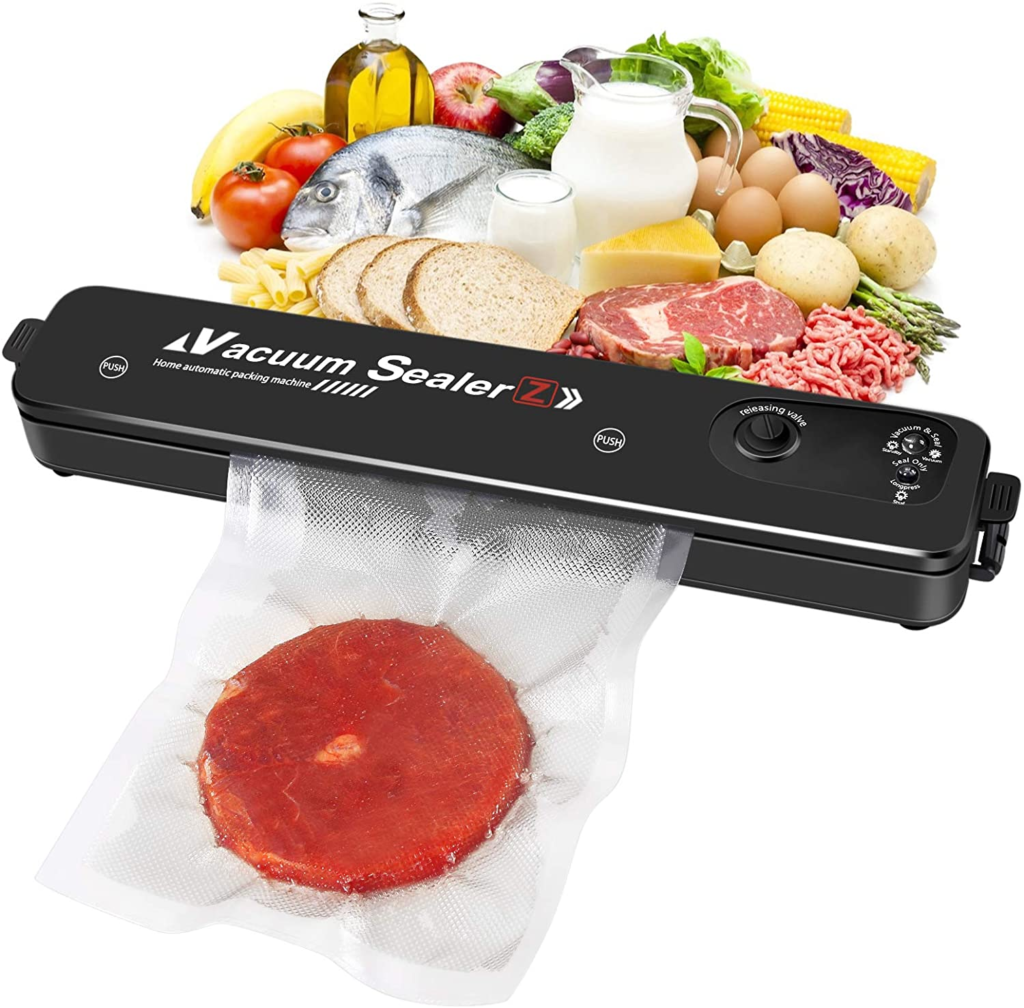
Vacuum sealing is transforming the way people preserve food at home, making it easy to extend the shelf life of groceries and reduce unnecessary waste. By removing air from packaging, vacuum sealers keep food fresher and prevent common issues like spoilage and freezer burn. With the right equipment and techniques, vacuum sealing can become an essential part of your meal prep routine, helping you save time and money. For anyone starting this journey, using quality vacuum seal bags is crucial for achieving the best results and ensuring airtight seals every time.
Vacuum sealing enhances food storage for homeowners, making it easier to preserve fresh, frozen, and dry goods. It helps reduce food waste by extending food longevity and maintaining quality, thereby improving budget efficiency and benefiting the environment. This versatile method is suitable for a wide range of foods, including fruits, vegetables, and meats. However, it’s essential to follow safety guidelines and choose the right equipment to ensure effective, safe vacuum sealing.
Benefits of Vacuum Sealing
Vacuum sealing comes with several key advantages that make it popular among home cooks and food enthusiasts. The most notable benefit is extending the shelf life of food. When done properly, vacuum sealed items can last significantly longer in both the fridge and freezer compared to items stored in standard bags or containers.
- Extended Shelf Life: Foods remain fresh up to five times longer, drastically reducing spoilage and food waste.
- Prevention of Freezer Burn: Vacuum sealing eliminates air exposure, preventing freezer burn and preserving food texture and flavor.
- Cost Savings: Purchasing in bulk and portioning with a vacuum sealer slashes grocery costs and makes planned meals more feasible.
Safety Considerations
Food safety is paramount when vacuum sealing foods. Perishable items must be refrigerated or frozen after sealing, as low-oxygen environments can encourage the growth of anaerobic bacteria such as Clostridium botulinum. Always follow standard hygiene practices, clean hands, sanitize work surfaces, and use appropriate food-handling techniques to prevent contamination.
- Only refrigerate or freeze vacuum-sealed perishables for recommended time frames.
- Keep sealing equipment clean after each use to avoid cross-contamination.
- Be aware that some bacteria can grow without oxygen, so always handle and store vacuum-sealed foods properly.
Choosing the Right Vacuum Sealer
Selecting a vacuum sealer that fits your needs will make preservation more convenient and effective. Consider how frequently you plan to use it, the types of foods you intend to store, and the amount of kitchen space available.
- Frequency of Use: If you plan to use your sealer often, choose a robust model with a strong motor and reliable sealing bar.
- Types of Food: Some sealers handle both wet and dry foods efficiently. Look for models with adjustable settings for different food textures.
- Available Space: For smaller kitchens, compact models are practical and can be stored easily when not in use. Recent advancements have introduced dual-purpose vacuum sealers that combine handheld portability with countertop-level performance, making it easier to handle a variety of sealing tasks using a single, versatile device.
Proper Vacuum Sealing Techniques
For the best results, follow a few basic steps whenever vacuum sealing food:
- Prepare the Food: Clean, cut, and dry foods as needed before placing them in the bag.
- Use Appropriate Bags: Only use bags designed for vacuum sealing with your specific machine.
- Leave Space: Leave an inch or two at the top of each bag. This allows for an effective and complete seal.
- Monitor the Seal: Double-check that each seal is tight and no air is left inside, which can compromise storage duration and safety.
Storing Vacuum-Sealed Foods
The longevity of your vacuum-sealed foods depends on correct storage practices:
- Refrigeration: Vacuum-sealed perishables can be stored in the fridge but should be eaten within their recommended timeframes to ensure safety and quality.
- Freezing: For longer-term storage, vacuum-sealed items can be kept in the freezer for several months to a year, depending on the type of food.
- Labeling: Clearly mark bags with the contents and date of storage. This helps you rotate foods correctly and avoid confusion.
Common Mistakes to Avoid
Several avoidable errors can affect the results of vacuum sealing:
- Sealing Wet Foods Improperly: Moisture can weaken or prevent seals. Pat foods dry or briefly pre-freeze them before vacuum sealing.
- Overfilling Bags: Overfilled bags may not seal properly, risking spoilage and leakage.
- Neglecting Maintenance: Clean your vacuum sealer often to maintain peak performance.
Conclusion
Vacuum sealing presents an efficient, safe, and cost-effective solution for preserving food at home. With the right equipment, careful technique, and attention to food safety, you can dramatically extend the shelf life of your groceries and support a more organized, less wasteful kitchen. The investment in learning this preservation method pays off every time you open your fridge or freezer to find your food as fresh as the day you sealed it.