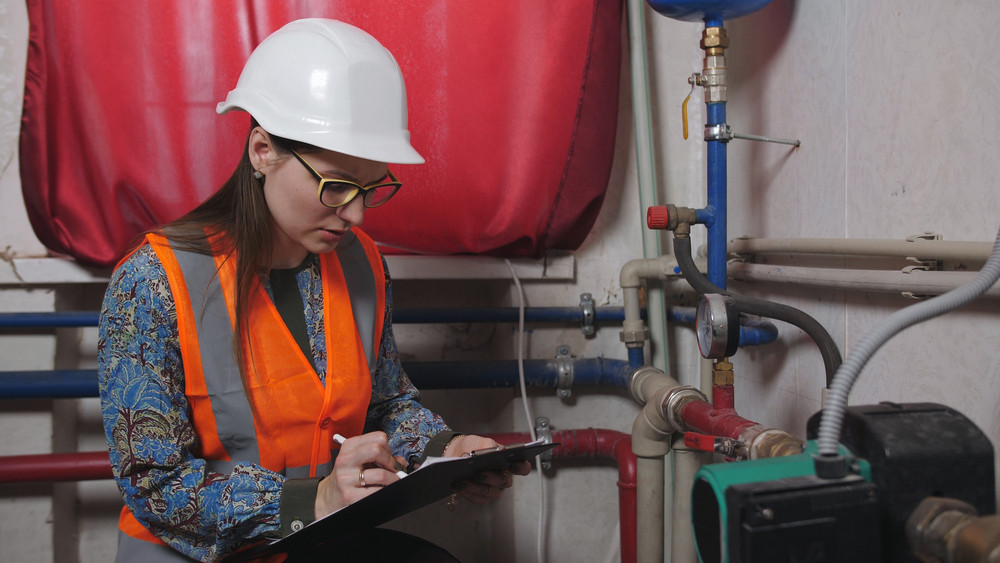
Rising utility costs and growing environmental awareness are pushing more homeowners to rethink how their houses consume energy. In 2026, energy efficiency is no longer just a long-term sustainability goal. It is a practical strategy for reducing monthly expenses while increasing home comfort and value. From smarter heating and cooling choices to targeted upgrades backed by federal incentives, homeowners have more tools than ever to take control of their energy use. The key is knowing where improvements deliver the greatest return and how to prioritize them.
Take Advantage of Incentives for Energy-Efficient Upgrades
One of the most effective ways to begin improving energy efficiency is by leveraging available financial incentives. Federal programs continue to encourage homeowners to invest in efficiency-focused upgrades, which can significantly lower upfront costs. According to the White House, homeowners may qualify for a federal tax credit that reimburses as much as 30% of the cost of eligible home energy improvements. This makes projects such as insulation upgrades, energy-efficient windows, and advanced HVAC systems far more accessible.
These incentives can meaningfully shift the cost-benefit equation. A project that once felt financially out of reach may now pay for itself faster when tax savings are factored in. For homeowners planning multiple upgrades, timing matters. Bundling improvements into the same tax year can maximize savings while accelerating overall efficiency gains. Before starting any project, it is wise to confirm eligibility requirements and documentation needs so that no savings are left on the table.
Reduce Energy Loss Through Smarter Water Heating Choices
While heating and cooling often get the most attention, water heating is another major contributor to household energy consumption. The U.S. Department of Energy reports that water heating represents roughly 18% of total home energy use, making it the second-largest energy expense for many households. That means even modest improvements in this area can lead to noticeable savings over time.
Upgrading to a high-efficiency water heater is one option, but it is not the only one. Tankless water heaters, heat pump water heaters, and well-insulated storage tanks all offer efficiency advantages depending on household needs. Beyond equipment upgrades, behavioral changes also matter. Lowering the thermostat on a water heater, fixing leaks promptly, and installing low-flow fixtures can reduce unnecessary energy use without sacrificing comfort. When combined, these steps help shrink energy bills while extending the lifespan of water heating equipment.
Improve Cooling Efficiency to Cut Summer Energy Costs
As summers continue to bring longer and hotter heat waves, cooling efficiency has become a top priority for homeowners. Air conditioning can account for a substantial portion of seasonal energy use, especially in warmer regions. According to the U.S. Department of Energy, replacing older air conditioners with high-efficiency models and adopting complementary cooling strategies can lower cooling-related energy consumption by 20% to 50%.
Equipment upgrades are only part of the equation. Proper sealing around doors and windows, adequate attic insulation, and smart thermostat programming all help keep cool air inside where it belongs. Routine maintenance, such as cleaning filters and ensuring ducts are sealed, also improves system performance. Together, these actions reduce strain on cooling systems, lower utility bills, and maintain consistent indoor temperatures during peak summer months.
Optimizing your home’s energy efficiency in 2026 is about making informed, strategic choices. By taking advantage of federal tax credits, addressing high-impact areas like water heating, and improving cooling efficiency, homeowners can achieve meaningful reductions in energy use and costs. These improvements do more than save money. They create more comfortable living spaces, increase property value, and contribute to a more sustainable future. With careful planning and the right upgrades, energy efficiency becomes an investment that pays dividends year after year.