Table of Contents
- Age of the Roof
- Visible Damage to Shingles
- Leaks and Water Stains
- Sagging or Uneven Rooflines
- Granules in Gutters
- Moss, Mold, or Algae Growth
- Damaged Flashing
- Increased Energy Bills
- Final Thoughts
Your roof serves as the primary shield protecting your home from harsh weather, water intrusion, and fluctuating temperatures. Over the years, it’s natural for roofing materials to break down and lose effectiveness, leaving your property vulnerable to damage. Knowing when to replace your roof is key to preserving your home’s longevity and safety. Trusted guidance from commercial roofing contractors can help you identify problems and avoid costly repairs down the road.
Homeowners often overlook subtle signs of roof deterioration, and by the time major issues become visible, significant damage may have already occurred. Proactive inspection and the recognition of early warning signals are essential to maintaining your roof’s condition and protecting your investment. Whether you are experiencing small leaks, high energy bills, or more dramatic structural changes, paying attention to these indicators can save time and money.
Age of the Roof
One of the most straightforward indicators that your roof may need replacement is its age. For homes with asphalt shingle roofing, the typical lifespan ranges from 20 to 30 years. If your roof has reached or exceeded this period, even if there are no immediate leaks or visible damage, its materials may be nearing the end of their effectiveness. According to Consumer Reports, older roofs have an increased risk of sudden failure after severe weather events, making timely replacement a best practice.
Visible Damage to Shingles
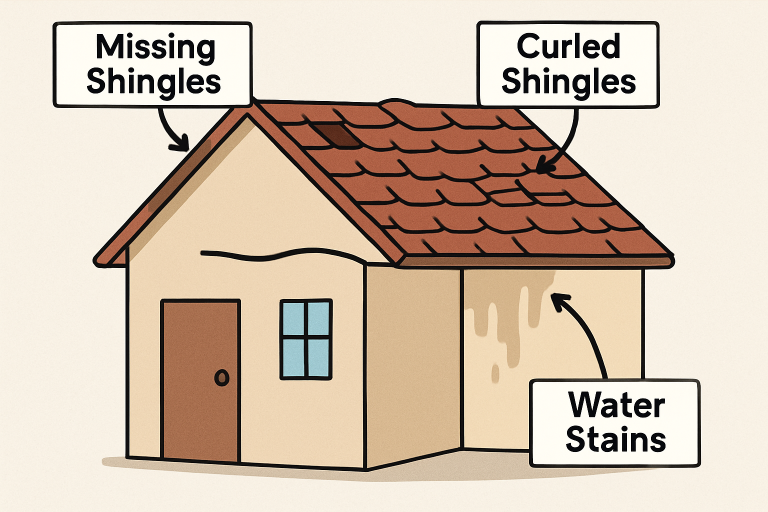
Shingles are your roof’s first layer of defense. Inspecting your roof for signs like cracked, curled, or missing shingles can reveal much about its remaining lifespan. These defects allow water to penetrate below, potentially damaging roof decking and interior structures. Immediate repairs for isolated shingle damage may extend your roof’s life, but widespread deterioration indicates a larger problem that likely requires full replacement.
Leaks and Water Stains
If you notice dark stains or water spots on your ceilings or walls, your roof may be leaking. Such issues often start small, but over time, can cause mold growth, wood rot, and compromised insulation. Unaddressed, they can lead to structural problems and costly remediation. The U.S. Environmental Protection Agency notes that roof leaks often contribute to indoor mold growth, which can affect air quality and health.
Sagging or Uneven Rooflines
A sagging roofline is a critical red flag indicating structural issues. Causes may include rotted sheathing, damaged rafters, or long-term water damage. If your roofline appears uneven from the curb, it needs an urgent professional evaluation. Ignoring these warning signs can lead to a roof collapse, especially after heavy snowfalls or rainfall.
Granules in Gutters
Asphalt shingles are protected by a layer of granules that shield against UV rays and weathering. Finding excessive granules in your gutters is a sign that your shingles are wearing out, leaving your roof vulnerable to the elements. While minor shedding is normal during the first years after installation, large volumes of granules point to advanced age and imminent replacement needs. The Better Homes & Gardens guide to roofing problems emphasizes the importance of monitoring your gutters regularly for this sign.
Moss, Mold, or Algae Growth
Moss, mold, and algae not only affect curb appeal but also hold moisture against your roof’s surface. This can accelerate rot and lead to leaks or decay over time. While moss can be removed, repeated and aggressive growth is a hint that moisture problems exist, potentially indicating inadequate ventilation or underlying roof damage that requires replacement rather than just cleaning.
Damaged Flashing
Flashing should seal roof valleys, chimneys, vents, and skylights against water intrusion. Bent, cracked, or missing flashing makes your home vulnerable to leaks at these critical transition points. Regularly check these areas, as well as under the eaves, to ensure flashing is intact. If left unresolved, compromised flashing is a leading cause of leaks and water damage inside homes.
Increased Energy Bills
When you notice a jump in heating or cooling bills without any changes to your home’s systems or habits, the culprit could be your roof. Deteriorated roofing fails to insulate efficiently, forcing your HVAC system to work harder to maintain comfortable indoor temperatures. Addressing this problem by upgrading your roof can boost energy efficiency and lead to significant long-term savings.
Final Thoughts
Understanding these critical signs helps protect your home’s value and provides peace of mind. If you notice any of these red flags, consider consulting a professional to determine whether a repair or a full roof replacement is your best option. Regular inspections and timely roof replacement prevent larger issues and preserve the safety, comfort, and financial security of your home for years to come.