Key Takeaways
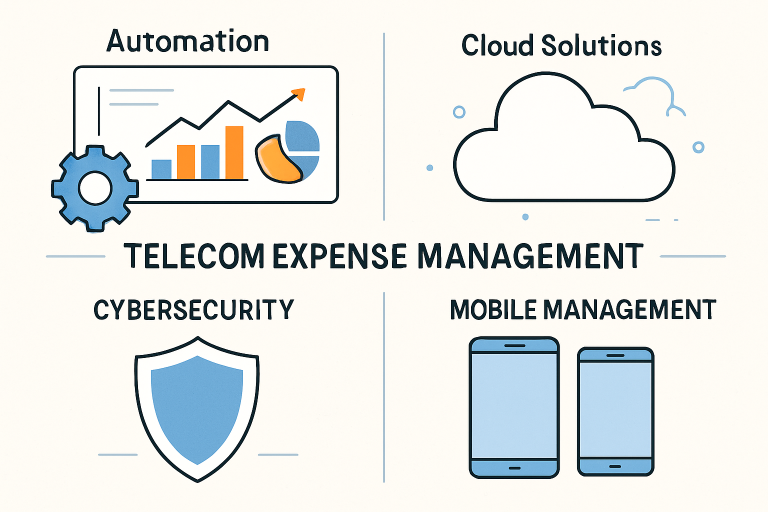
- AI-driven automation is redefining telecom expense processes and slashing operational costs.
- Cloud-native platforms enable global scalability and fast deployment for TEM solutions.
- Unified Communications integration offers holistic oversight of business communication expenses.
- Modern cybersecurity measures guard sensitive telecom data and ensure regulatory compliance.
- Remote work is making mobile expense management an operational priority for enterprises.
As digital transformation accelerates across industries, Telecommunications expense management is becoming a vital function for organizations striving to maintain operational efficiency and cost control. The telecom landscape in 2026 promises sweeping changes, with advanced technologies and integrated platforms reshaping the way enterprises manage and optimize their communications spend. Companies must not only keep up with new providers and cost models but also deploy innovative strategies to achieve transparency and accountability in telecom expense management.
Effective telecom expense management (TEM) is increasingly vital amid tightening regulations and the prevalence of remote work. Embracing AI-led automation and unified communications, businesses must adapt to complex telecom environments by leveraging consolidated dashboards and automated analysis tools for real-time insights. This approach enables proactive cost management and supports central oversight amid interconnected telecom services. Additionally, organizations must adjust to new employee usage patterns, implementing robust tracking tools to mitigate costs and uphold compliance as regulatory expectations evolve.
Artificial Intelligence Enhances TEM Efficiency
Artificial Intelligence is rapidly emerging as the centerpiece of high-performing TEM strategies. Modern AI-powered platforms go well beyond traditional rules-based systems by continuously learning from expense data and detecting subtle billing discrepancies that may otherwise go unnoticed. For example, AI enables automated invoice validation, instantly comparing contract terms against billing activity to catch errors in real time. This drastic reduction in manual processing can yield significant savings, with organizations reporting reductions of up to 40 percent and improvements in audit speed and accuracy. According to UST, implementing AI in telecom operations results in higher efficiency and reduced waste at scale.
Cloud-Native Solutions Offer Scalability
The shift to cloud-native technology is further transforming the telecom expense management landscape, allowing organizations to scale their solutions as needed and eliminate rigid infrastructure barriers. By leveraging cloud platforms, businesses gain seamless access to real-time expense data, even across distributed teams or multinational offices. Integration with other enterprise systems is streamlined, and updates or new features can be deployed instantly without disrupting operations. This flexibility is especially valuable for companies experiencing rapid growth or industry consolidation, as it enables unified management of complex telecom environments. Cloud-native solutions in telecom foster greater innovation and quicker response times to market changes.
Integration with Unified Communications Platforms
One of the most significant advancements in recent years is the integration of TEM systems with Unified Communications (UC) platforms such as Microsoft Teams, Zoom, and Slack. This unified approach provides comprehensive visibility into all communication channels a business relies on, including voice calls, messaging, and video conferencing. As communications tools proliferate, maintaining transparency over usage and associated costs is only possible through such integrated management. With this convergence, organizations can monitor real-time spend, identify underutilized resources, and enforce compliance across departments, ultimately reducing complexity and driving cost savings.
Enhanced Cybersecurity Measures
Telecom networks and expense data have become prime targets for sophisticated cyber attacks. As critical infrastructure becomes more digitized, it is essential to prioritize cybersecurity at every level of telecom expense management. Regulatory requirements call for robust data protection and privacy protocols that align with international standards. Modern TEM solutions are embedding advanced security features, including encryption, strict access controls, and automated breach detection, to keep sensitive telecom information safe from unauthorized access or tampering. Regular audits and compliance checks are crucial to ensuring that these defenses remain effective as threats evolve.
Mobile Expense Management in the Remote Work Era
The widespread shift to remote and hybrid work has placed mobile expense management at the forefront of enterprise priorities. Organizations now oversee distributed fleets of employee devices and must handle rising demand for data usage, international roaming, and mobile application subscriptions. Advanced mobile management tools allow finance and IT leaders to set usage policies, automate plan optimizations, and monitor device inventories in real time. By enforcing controls on roaming and data expenses, companies can protect against cost overruns while ensuring employees have the connectivity needed to stay productive. Effective mobile spend oversight is essential to both financial health and employee satisfaction in today’s workplace.
Conclusion
Telecom expense management in 2026 stands at the intersection of automation, scalability, integration, and strong security. Organizations embracing these emerging trends are benefiting from lower costs, improved compliance, and streamlined operations. The continuous evolution of TEM technologies ensures that decision-makers have the information and control required to navigate an increasingly dynamic communications landscape, preparing businesses for the future of connected work.