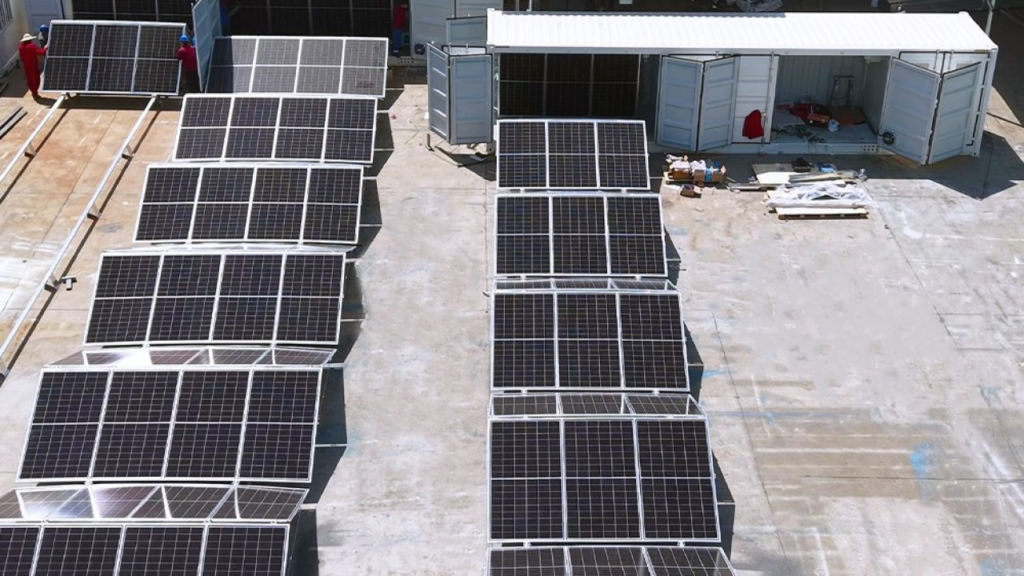
The global shift toward renewable energy has accelerated the demand for power solutions that are not only clean but also flexible and fast to deploy. Traditional solar installations, while effective, often require long construction timelines and fixed locations. This is where the solar container emerges as a game-changing solution. Even more advanced is the collapsible solar panel container, which combines portability, efficiency, and rapid deployment in a single, compact system.
From off-grid electrification and disaster response to commercial and industrial applications, containerized solar solutions are transforming how energy is delivered. This article explores what solar containers are, how collapsible solar panel containers work, their advantages, applications, and why they are becoming a preferred choice worldwide.
What Is a Solar Container?
A solar container is a complete solar power system integrated into a standard shipping container. It houses critical components such as photovoltaic (PV) panels, inverters, electrical protection systems, and optional battery storage within a robust, transportable enclosure.
Because the system is factory-assembled and tested, a solar container can be delivered to a site and commissioned quickly with minimal on-site work. This significantly reduces installation time, labor costs, and project complexity
Understanding the Collapsible Solar Panel Container
A collapsible solar panel container takes containerized solar technology to the next level. In this design, solar panels are folded or compactly stored within the container during transportation. Once on-site, the panels are deployed or unfolded to create a large solar array capable of generating substantial power.
This innovative approach offers several advantages:
- Reduced transportation volume
- Faster installation
- Maximum solar panel surface area
- Minimal land preparation
How Does a Solar Container Work?
The operation of a solar container is efficient and straightforward:
1. Solar Energy Collection
Photovoltaic panels capture sunlight and convert it into direct current (DC) electricity. In collapsible systems, panels are deployed outward to optimize sun exposure.
2. Power Conversion
Inverters inside the container convert DC electricity into alternating current (AC), making it suitable for commercial, industrial, or residential use.
3. Energy Storage (Optional)
Battery systems store excess energy for nighttime use, cloudy conditions, or backup power during outages.
4. Power Distribution
Electricity is delivered directly to connected loads, microgrids, or facility distribution panels.
Because all components are integrated into one containerized unit, system reliability and safety are significantly enhanced.
Key Advantages of Solar Containers
Rapid Deployment
One of the most important benefits of a solar container is speed. Systems can be installed and operational in days instead of months, making them ideal for urgent power needs.
Mobility and Portability
Solar containers can be transported by road, rail, or sea, allowing them to be relocated as project requirements change.
Lower Installation Costs
By eliminating extensive civil works and reducing labor requirements, solar containers significantly lower total installation costs.
Scalable Modular Design
Energy needs often grow over time. Solar container systems are modular, allowing users to scale capacity easily by adding additional containers.
Clean and Sustainable Energy
Solar containers generate zero emissions during operation, helping reduce carbon footprints and meet sustainability goals.
Benefits of Collapsible Solar Panel Containers
Collapsible solar panel containers offer all the benefits of standard solar containers with additional performance advantages:
Optimized Transportation
Panels remain folded during transport, reducing the overall footprint and logistics costs.
Faster On-Site Setup
Once delivered, panels can be deployed quickly without complex mounting structures.
Higher Power Density
By expanding outward, collapsible containers maximize solar panel area compared to fixed rooftop installations.
Ideal for Temporary or Remote Sites
These systems are perfect for locations where permanent infrastructure is not practical.
Applications of Solar Container Systems
Off-Grid and Rural Electrification
Millions of people worldwide lack reliable access to electricity. Solar containers provide clean power for villages, schools, clinics, and water systems in remote areas.
Disaster Relief and Emergency Response
After natural disasters, electricity is critical. Collapsible solar panel containers can be rapidly deployed to power hospitals, shelters, and communication networks.
Construction and Infrastructure Projects
Temporary construction sites often rely on diesel generators. Solar containers offer a quieter, cleaner, and more cost-effective alternative.
Industrial and Commercial Operations
Factories, warehouses, and commercial facilities use solar containers as primary or backup power sources to ensure business continuity.
Military and Remote Field Operations
Defense and remote operations benefit from solar containers by reducing fuel dependency and improving energy security.
Choosing the Right Solar Container Solution
When selecting a solar container or collapsible solar panel container, consider the following factors:
- Power Capacity Requirements: Daily and peak energy demand
- Battery Storage Needs: For backup or off-grid operation
- Environmental Conditions: Temperature, dust, wind, and humidity
- Expandability: Future power growth
- Compliance and Safety Standards: International certifications
Proper system selection ensures optimal performance and long-term reliability.
The Future of Collapsible Solar Panel Containers
As solar panel efficiency improves and battery technology advances, collapsible solar panel containers are becoming more powerful and affordable. Future developments include:
- Smart energy management systems
- Remote monitoring and diagnostics
- Hybrid integration with wind or generator backup
- Automated and AI-driven performance optimization
These innovations will further strengthen the role of solar containers in global renewable energy infrastructure.
Why Solar Containers Are Gaining Global Adoption
Governments, NGOs, and private companies are increasingly adopting solar container solutions because they:
- Reduce energy and fuel costs
- Improve energy access in remote areas
- Support sustainability and ESG goals
- Enable fast and flexible deployment
From developing regions to advanced industrial markets, solar containers offer a practical and future-ready energy solution.
To Conclude
A solar container provides a powerful, mobile, and scalable approach to clean energy generation, while a collapsible solar panel container takes efficiency and deployment speed even further. Together, these solutions are redefining how solar power is delivered—anywhere, anytime.
Whether used for off-grid electrification, emergency response, commercial operations, or industrial projects, solar containers represent a reliable, cost-effective, and environmentally responsible path toward a sustainable energy future.