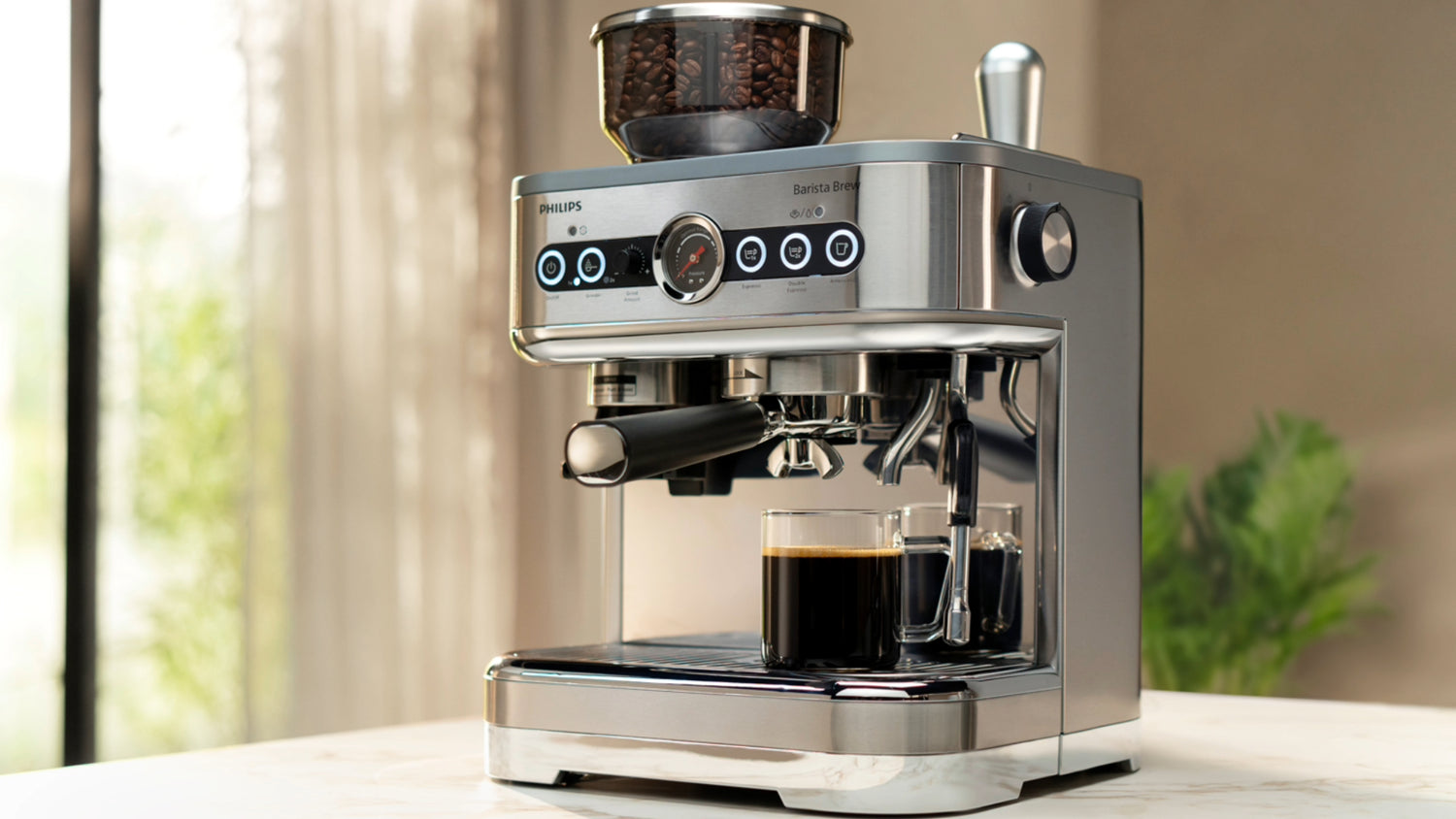
Imagine waking up to the rich aroma of café-quality espresso, pulling a perfect shot with velvety crema, all from the comfort of your kitchen. For many home baristas, this dream remains frustratingly out of reach. Despite investing in espresso machines and quality beans, achieving consistent, professional results often feels like an elusive goal. Temperature fluctuations, inconsistent extraction, and complicated controls turn what should be a morning ritual into a daily guessing game.
The culprit isn’t your technique or dedication—it’s the limitations of traditional home espresso machines. Without precise temperature control and intuitive workflows, even experienced home baristas struggle to replicate the consistency of their favorite coffee shop. Enter the new generation of smarter coffee machines, equipped with PID temperature technology and user-friendly interfaces that eliminate the guesswork. These intelligent systems maintain optimal brewing conditions automatically, allowing you to focus on perfecting your craft rather than wrestling with unpredictable equipment. Whether you’re a beginner exploring espresso or an enthusiast seeking café-level precision, smarter machines bridge the gap between home brewing and professional quality.
What Makes a Coffee Machine “Smarter”?
A smarter coffee machine goes beyond basic brewing functions by integrating advanced technology that automates precision and removes the variables that plague traditional espresso making. These machines use digital controls, sensors, and programmable features to manage the complex variables of espresso extraction—temperature, pressure, timing, and water flow—with minimal manual intervention. The result is a machine that thinks alongside you, adjusting parameters in real-time to deliver consistent shots every time.
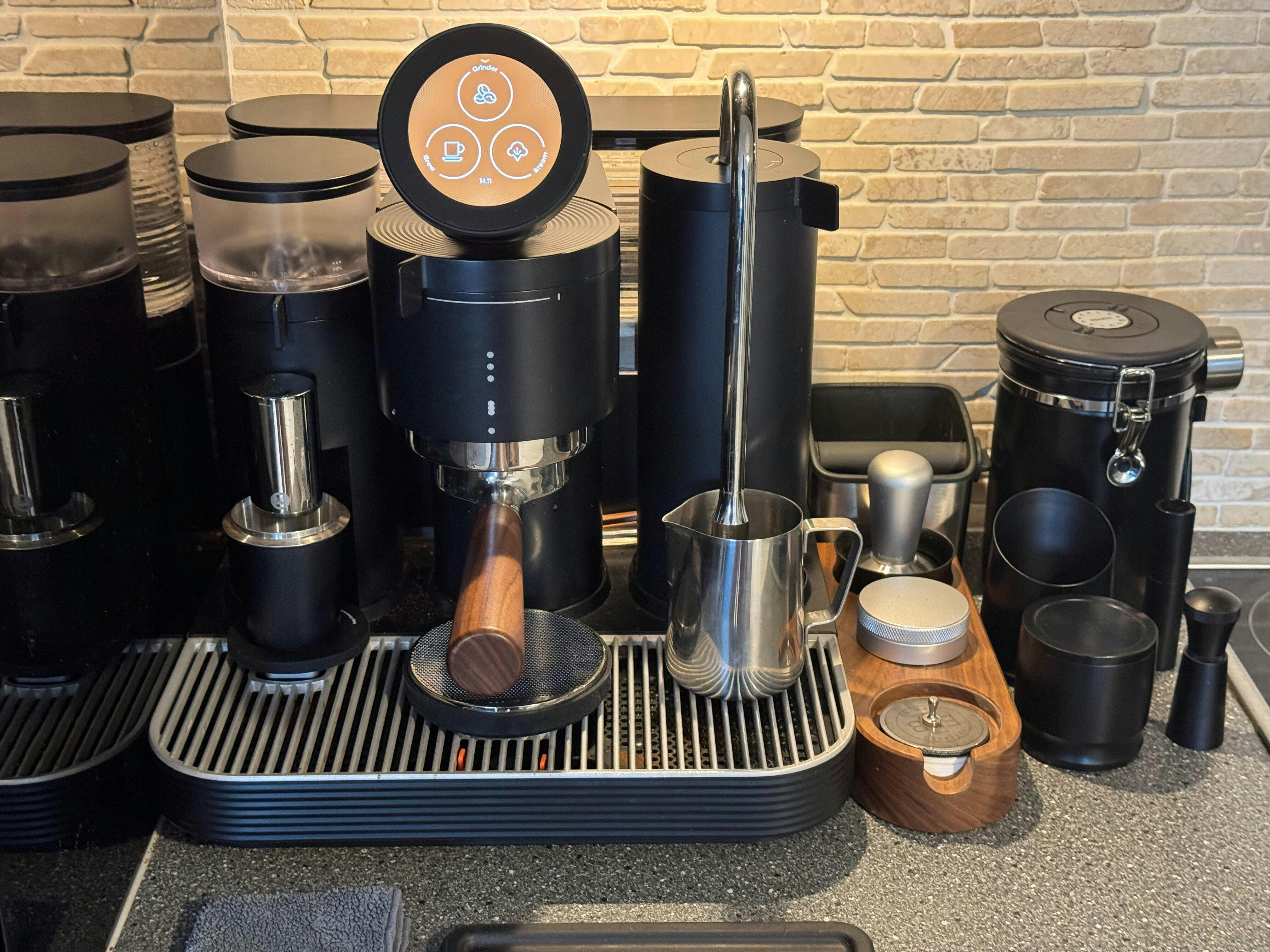
The cornerstone of smart espresso technology is PID (Proportional-Integral-Derivative) temperature control, which maintains water temperature within a single degree of your target. Traditional machines rely on basic thermostats that allow temperature swings of 10-15 degrees, causing sour or bitter shots depending on when you pull them. PID systems constantly monitor and adjust heating elements, ensuring every extraction happens at the optimal temperature. Beyond temperature management, smarter machines feature intuitive touchscreen interfaces or streamlined button layouts that guide you through the brewing process, pre-programmed profiles for different coffee styles, and automated pre-infusion sequences that gently saturate grounds before full pressure extraction.
Compared to conventional home espresso machines, which demand constant attention and manual adjustments, smarter systems handle the technical complexity behind the scenes. Where traditional machines require you to temperature surf, time shots manually, and guess at pressure levels, intelligent machines provide real-time feedback and automatic corrections. This doesn’t eliminate the craft of espresso making—it simply shifts your focus from fighting equipment limitations to exploring coffee variables like grind size, dose, and bean selection.
Benefits of a Smarter Espresso Machine for Home Baristas
Consistent Café-Quality Coffee
PID temperature control transforms home espresso from hit-or-miss to reliably excellent by maintaining brewing water within one degree of your target temperature throughout extraction. This precision matters because espresso chemistry is extraordinarily temperature-sensitive—water just five degrees too cool under-extracts coffee, producing sour, weak shots, while water five degrees too hot over-extracts, creating harsh bitterness. Traditional machines cycle heating elements on and off, creating temperature swings that mean your first shot might brew at 198°F while your second extracts at 210°F, even though you haven’t changed anything else.
With PID systems constantly monitoring and micro-adjusting temperature, every shot pulls under identical thermal conditions. This consistency allows you to actually dial in your espresso—adjusting grind size, dose, and timing to find your perfect extraction—knowing that temperature won’t sabotage your efforts. The result is café-quality flavor profiles with balanced sweetness, bright acidity, and clean finishes that showcase your coffee’s origin characteristics. More importantly, you can recreate that perfect shot tomorrow morning, next week, and months later, because the machine maintains the same precise conditions every time you brew.
User-Friendly Experience with Intuitive Controls
Smarter machines eliminate the steep learning curve that intimidates beginners by presenting brewing functions through clear, logical interfaces rather than cryptic button combinations. Touchscreens display real-time temperature readings, shot timers, and pressure gauges in plain language, while guided workflows walk you through each step from grinding to extraction. Instead of memorizing which switch activates the pump versus the steam wand, you simply select “brew espresso” or “steam milk” from an intuitive menu that prevents accidental missteps.
For experienced users, these same interfaces unlock deep customization without requiring technical modifications. You can program multiple brewing profiles—one for light-roasted single-origin beans requiring lower temperatures, another for darker blends needing hotter water—and switch between them instantly. Pre-infusion duration, pressure profiling, and shot volumes become adjustable parameters you can fine-tune and save, building a personal library of recipes for different coffees. This flexibility means beginners start pulling decent shots immediately using default settings, while advanced baristas can experiment endlessly, knowing the machine will execute their exact specifications consistently every time.
Key Features to Look for in a Smarter Coffee Machine
PID temperature control stands as the most critical feature in any smarter espresso machine, functioning as a sophisticated feedback loop that continuously measures water temperature and adjusts heating power to maintain your exact target. Unlike simple thermostats that switch heating elements fully on or off, creating wild temperature swings, PID controllers make tiny, constant adjustments—reducing power as temperature approaches your setpoint, then providing just enough energy to hold steady. This proportional response eliminates overshoot and maintains stability within 0.5-1°F, the precision threshold where espresso flavors fully develop without degradation. When evaluating machines, look for PID systems that control both the brew boiler and group head, ensuring thermal stability from the heating element all the way to where water contacts your coffee.
Pre-infusion capabilities separate good smarter machines from exceptional ones by allowing low-pressure water to saturate coffee grounds before full 9-bar extraction begins. This gentle wetting phase, typically lasting 5-10 seconds, lets grounds expand evenly and release trapped gases that would otherwise create channeling—uneven water flow that produces simultaneous over-extraction and under-extraction in the same shot. Quality machines offer adjustable pre-infusion duration and pressure, letting you customize this phase for different roast levels and grind sizes. Light roasts benefit from longer pre-infusion to coax out delicate flavors, while darker roasts need shorter phases to prevent excessive extraction.
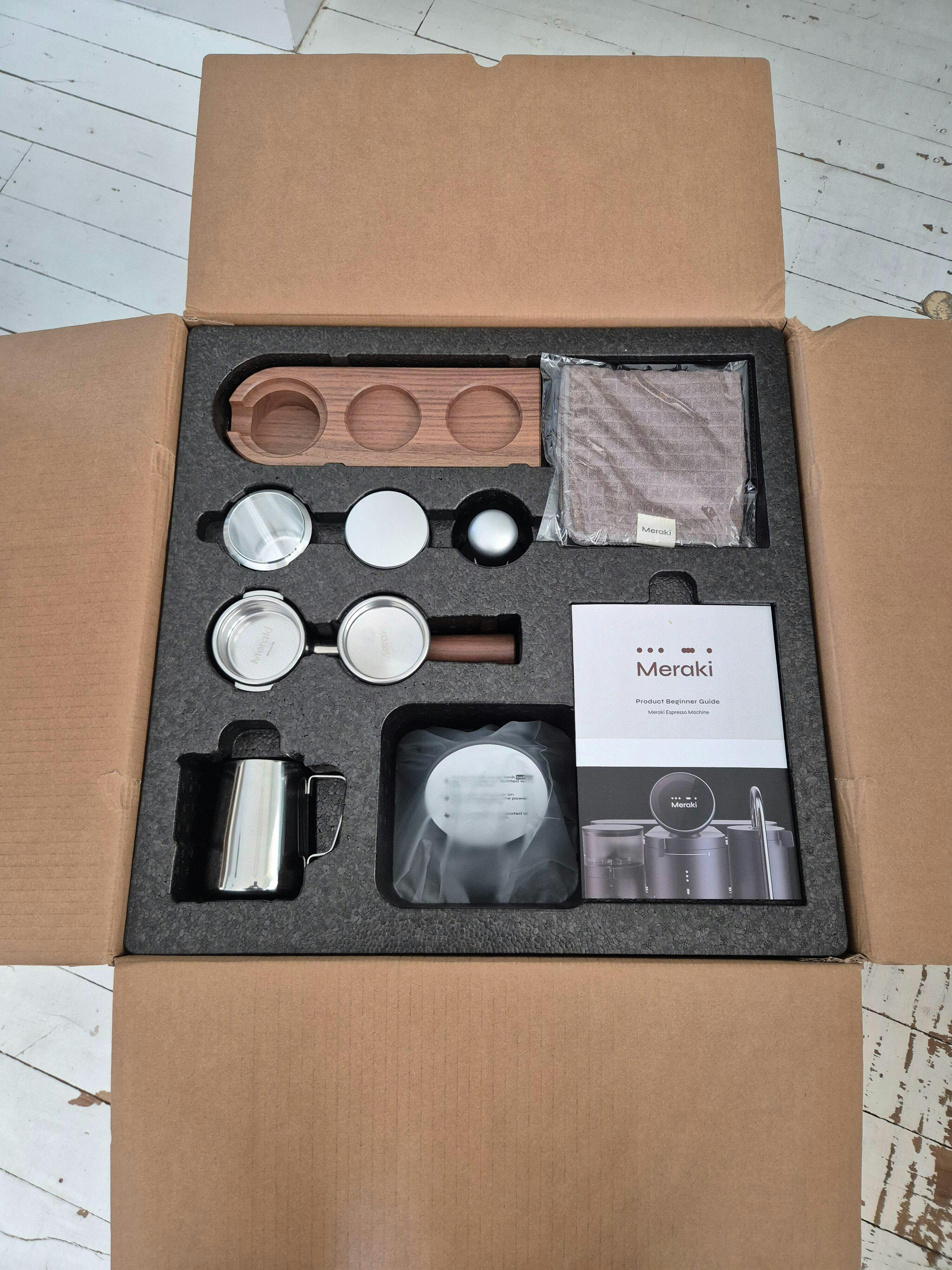
Programmable settings transform your dialed-in shots from fleeting successes into repeatable standards by storing every parameter—temperature, pre-infusion time, shot volume, and pressure profile—as named recipes you can recall instantly. The best systems let you save multiple profiles and switch between them with a single touch, essential when you rotate between different coffee origins or brewing styles throughout the week. This programmability extends your skill rather than replacing it, capturing your hard-won discoveries about each coffee and executing them flawlessly every morning without requiring you to remember dozens of specific adjustments.
How to Transition to a Smarter Espresso Machine
Choosing the Right Machine for Your Needs
Your ideal smarter espresso machine depends on three primary factors that should guide your decision before considering specific models. Budget determines which tier of technology you can access—entry-level smart machines around $500-$800 offer basic PID control and simple programmability, mid-range options between $800-$1,500 add touchscreen interfaces and advanced pre-infusion, while premium machines above $1,500 provide dual boilers, pressure profiling, and extensive customization. Your current skill level matters equally: complete beginners benefit most from machines with guided workflows and fewer adjustable parameters, preventing overwhelm while building fundamental technique, whereas experienced home baristas should prioritize machines offering granular control over temperature curves, pressure profiles, and multiple programmable recipes that reward experimentation.
Physical space constraints often prove decisive when choosing between compact single-boiler systems and larger dual-boiler setups. Measure your counter depth and overhead clearance carefully, remembering that you’ll need room for a grinder beside your machine and clearance above for refilling water and beans. Consider your daily coffee consumption patterns—if you primarily drink espresso solo each morning, a single-boiler machine with PID suffices, but households brewing multiple milk drinks back-to-back need dual boilers that steam and brew simultaneously without waiting for temperature recovery between functions. Manufacturers like Meraki Tech Global have responded to diverse household needs by developing machines that balance compact footprints with advanced smart features, making professional-grade technology accessible for various kitchen configurations.
Mastering Your New Machine
Begin your first session by running several blank shots to flush manufacturing residues and stabilize your machine’s thermal system, then dial in using fresh, properly roasted beans ground immediately before brewing. Start with the manufacturer’s default temperature setting—typically 200°F for medium roasts—and focus exclusively on dialing your grinder, adjusting finer or coarser until you achieve a 25-30 second extraction time for a double shot. This initial calibration establishes your baseline before exploring the machine’s smart features, ensuring you understand how grind size affects flow rate independent of temperature variables.
Once you’re pulling consistent shots at default settings, begin systematic experimentation with your machine’s programmable features one variable at a time. Lower temperature by two degrees and taste the difference, then raise it two degrees above baseline to understand how thermal adjustment affects your specific coffee’s flavor balance. Next, explore pre-infusion duration—try shots with five, eight, and twelve-second pre-infusion phases, noting how longer saturation times smooth harsh edges in darker roasts while shorter phases preserve brightness in lighter coffees. Document your discoveries by saving successful profiles with descriptive names tied to specific beans, building a reference library that eliminates guesswork when you return to favorite coffees or purchase new origins. The machine’s intelligence lies in executing your refined preferences perfectly every time, freeing you to focus on the sensory craft of tasting and adjusting rather than remembering technical specifications.
Elevate Your Home Espresso Experience
Smarter coffee machines fundamentally transform home espresso from an unpredictable challenge into a reliable daily pleasure by eliminating the technical barriers that separate amateur efforts from professional results. PID temperature control delivers the thermal precision that espresso chemistry demands, while intuitive interfaces and programmable settings capture your hard-won discoveries and execute them flawlessly every morning. These intelligent systems don’t replace the craft of espresso making—they amplify your skills by handling equipment limitations automatically, freeing you to focus on the creative aspects of coffee exploration like experimenting with origins, adjusting extraction variables, and developing your palate.
Embracing this technology isn’t about taking shortcuts or automating away the artistry of espresso. It’s about removing the frustration of fighting temperamental equipment and gaining the consistency that allows genuine skill development. When your machine maintains perfect conditions reliably, you can finally taste the true impact of your adjustments to grind size, dose, and timing, building expertise through meaningful experimentation rather than random guessing. The joy of café-quality espresso at home isn’t just about the delicious results in your cup—it’s the satisfaction of mastering a craft with tools intelligent enough to support your ambitions rather than limit them.