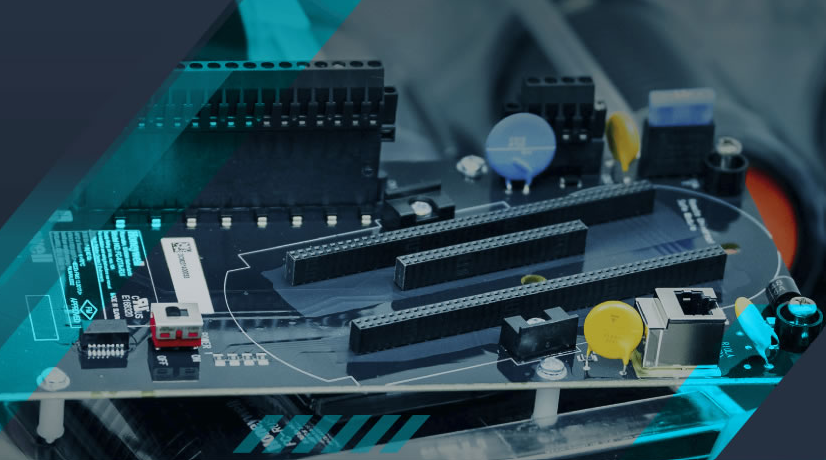
In industrial automation environments, the FCM2F10 P0916TQ component serves as a vital element within control systems that govern critical production processes. When these parts fail unexpectedly, the consequences extend far beyond simple equipment malfunction. Unplanned downtime can cost manufacturers thousands of dollars per hour in lost productivity, delayed shipments, and emergency repair expenses. Plant managers and maintenance teams face the constant challenge of balancing spare parts inventory costs against the risk of extended outages. Maintaining too many components ties up capital unnecessarily, while insufficient stock leaves facilities vulnerable to prolonged shutdowns when failures occur. The complexity of modern automation systems demands strategic planning around component availability and reliability. Foxboro service solutions offer plant operators a proven pathway to minimize these risks through quality replacement parts and comprehensive maintenance support. By understanding the critical nature of components like the FCM2F10 P0916TQ and implementing proactive management strategies, facilities can significantly reduce costly interruptions while maintaining optimal operational efficiency throughout their production cycles.
The Critical Role of FCM2F10 P0916TQ in Industrial Automation
The FCM2F10 P0916TQ functions as a fieldbus communication module within distributed control systems, translating critical process data between field instruments and central controllers. This component enables real-time monitoring and adjustment of temperature, pressure, flow rates, and other essential parameters that determine production quality and safety. Without functioning communication pathways, operators lose visibility into process conditions and cannot execute necessary control adjustments, effectively rendering automated systems useless.
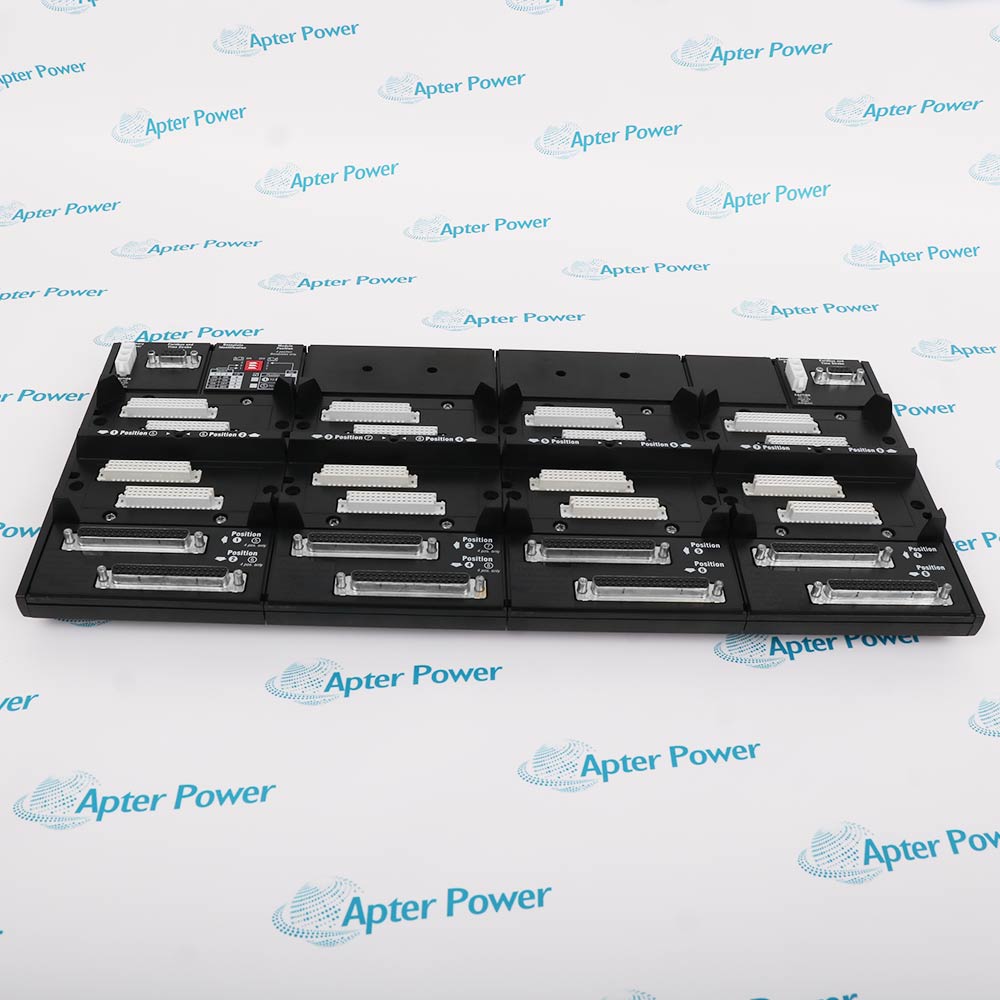
Failure scenarios typically manifest in several ways. Communication loss between field devices and control rooms leaves operators blind to dangerous conditions developing in reactors, distillation columns, or other critical equipment. Intermittent signal degradation causes erratic control responses, producing off-specification product that must be scrapped or reprocessed. Complete module failure forces immediate process shutdown to prevent safety incidents or equipment damage. A chemical processing plant experienced a communication module failure during a batch reaction, requiring emergency shutdown procedures that resulted in $180,000 in lost materials and 16 hours of cleaning before production could resume.
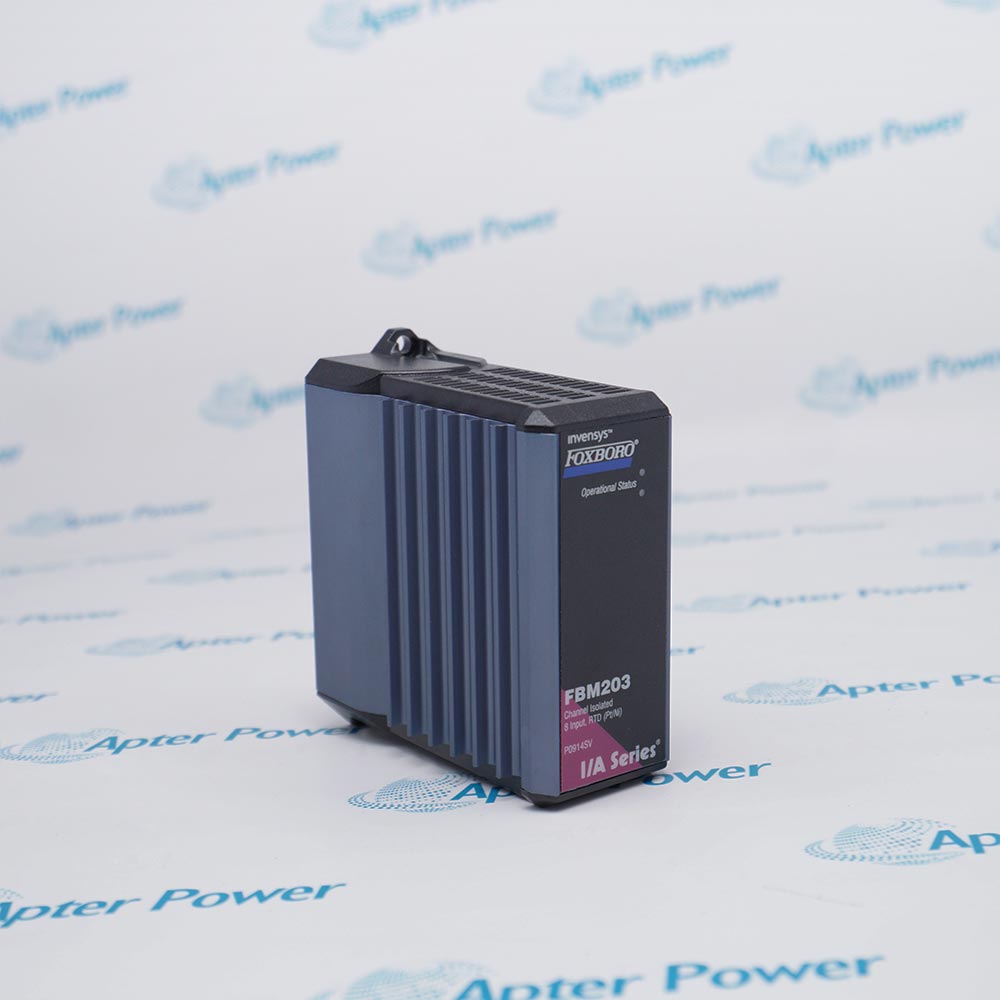
The reliability of replacement parts directly determines recovery time and long-term system stability. Substandard components may restore immediate functionality but introduce chronic reliability issues through inferior circuit board materials, inadequate environmental protection, or incompatible firmware versions. Quality replacements maintain original design specifications for signal integrity, environmental resistance to temperature extremes and electrical noise, and seamless integration with existing system architecture. Investing in verified components prevents repeated failures that multiply maintenance costs and erode confidence in automation systems among operations personnel who depend on consistent performance.
Optimizing Spare Parts Inventory for Plant Managers
Spare parts inventory management for automation components presents a fundamental dilemma: excessive stock immobilizes capital and occupies valuable warehouse space, while insufficient reserves expose facilities to catastrophic downtime. A petroleum refinery discovered this balance the hard way when a single unavailable communication module extended an outage from four hours to three days, costing $420,000 in lost production because procurement required international shipping. Plant managers must navigate between these extremes through data-driven inventory strategies.
Effective inventory optimization begins with criticality assessment of each component within the control architecture. Classify parts into three tiers: critical components whose failure stops production entirely, important parts that degrade operations but allow limited continued function, and non-essential items that can be ordered as needed. For the FCM2F10 P0916TQ and similar critical modules, maintain at least one spare on-site with a second unit in regional distribution to enable 24-hour replacement. Important components warrant single on-site spares, while non-critical parts can be sourced through expedited vendor relationships.
Calculate inventory costs against downtime risk using historical failure data and production value metrics. If a module costs $3,500 and fails once every three years on average, while downtime costs $15,000 per hour with typical 12-hour emergency procurement, the business case for stocking spares becomes overwhelming. Establish vendor partnerships that provide consignment inventory arrangements, where suppliers maintain stock at your facility but you pay only upon use, effectively transferring holding costs while ensuring immediate availability. Suppliers like Apter Power and similar industrial spare parts providers often offer these flexible inventory arrangements alongside computerized maintenance management systems that track component lifecycles, trigger reorder points automatically, and generate predictive replacement schedules based on operational hours and environmental stress factors, transforming reactive scrambling into planned, cost-effective component management.
Foxboro Service Solutions for Reliable System Maintenance
Foxboro service solutions provide comprehensive support frameworks designed specifically for distributed control systems that include components like the FCM2F10 P0916TQ. These offerings encompass technical support hotlines staffed by engineers familiar with system architecture, field service technicians available for on-site diagnostics and repairs, and training programs that build internal maintenance capabilities. A food processing company reduced their average repair time from 18 hours to 4 hours after establishing a service agreement that provided priority access to technical expertise and guaranteed parts availability within two hours of any failure notification.
The distinction between OEM and third-party service providers centers on several critical factors. Original equipment manufacturers maintain comprehensive documentation of design specifications, firmware versions, and compatibility matrices that third-party providers often lack. OEM technicians receive factory training on diagnostic procedures and have direct access to engineering teams who developed the systems. However, third-party providers frequently offer faster response times in remote locations and lower service rates that appeal to budget-conscious operations. Quality varies dramatically among third-party options—some employ former OEM technicians with deep expertise, while others provide generic electronics repair without automation system knowledge.
A pulp and paper mill faced recurring communication failures across multiple modules, experiencing monthly outages averaging six hours each. After switching to an OEM service agreement with predictive maintenance protocols, they eliminated unplanned downtime completely over an 18-month period. The service provider implemented quarterly system health assessments, identified marginal components before failure, and maintained dedicated spare inventory at the facility. Another manufacturer achieved similar results through a hybrid approach, using OEM support for critical modules while managing non-essential components through qualified third-party relationships, reducing total maintenance costs by 23% while maintaining 99.7% system availability across three production lines.
Implementing Effective Control System Solutions
Integrating reliable replacement parts into existing control systems requires systematic planning to avoid introducing compatibility issues or configuration errors. Begin by documenting the current system architecture, including firmware versions, communication protocols, and network topology. Before installing any FCM2F10 P0916TQ module, verify compatibility through manufacturer specifications and test the component in a non-production environment if possible. Power down the affected system segment following proper shutdown procedures, install the replacement module in the designated slot, and restore power while monitoring diagnostic indicators for proper initialization. Upload configuration files to the new module, verify communication with connected field devices, and conduct functional testing of all control loops before returning the system to production mode.
Best practices for system upgrades extend beyond simple component swapping. Schedule replacements during planned maintenance windows rather than deferring action until failure forces emergency work. When replacing modules, update firmware to current stable versions that address known vulnerabilities and performance issues, but avoid bleeding-edge releases that haven’t been proven in field conditions. Maintain detailed records of all replacements, including serial numbers, installation dates, and configuration settings, creating a comprehensive maintenance history that identifies problematic units or recurring failure patterns. Standardize on specific component versions across similar system segments to simplify spare parts inventory and reduce technician training requirements.
Preventive maintenance strategies transform reactive firefighting into predictable, manageable activities. Implement quarterly system health checks that measure signal quality, inspect physical connections for corrosion or looseness, and review diagnostic logs for intermittent errors that precede complete failures. Establish environmental monitoring for control cabinets, ensuring temperature and humidity remain within specifications that prevent premature component degradation. Create maintenance checklists specific to communication modules that include firmware backup procedures, connection torque verification, and performance baseline comparisons. A pharmaceutical manufacturer reduced emergency repairs by 67% after implementing biannual preventive replacement of modules approaching manufacturer-recommended service life limits, scheduling changes during validation periods when production impact was minimal and controlled.
Proactive Component Management for Operational Excellence
The FCM2F10 P0916TQ and similar critical automation components represent far more than simple hardware—they form the communication backbone that enables safe, efficient industrial operations. When these modules fail, the cascading effects of production loss, emergency repair costs, and schedule disruptions can devastate operational budgets and customer relationships. Plant managers who recognize this reality and invest in quality replacement parts, strategic inventory management, and comprehensive maintenance support position their facilities for sustained competitive advantage. Foxboro service solutions provide the technical expertise, genuine components, and rapid response capabilities that transform potential catastrophes into manageable maintenance events. Now is the time to audit your current spare parts inventory, evaluate component criticality within your control systems, and establish relationships with qualified service providers before the next failure occurs. Review maintenance records to identify recurring problem areas, calculate the true cost of downtime for your specific operations, and develop a proactive replacement schedule for aging modules approaching their service life limits. The difference between reactive scrambling and confident operational control lies in decisions made today—decisions that determine whether the next component failure becomes a minor inconvenience or a major crisis that threatens production commitments and profitability.