Workplace safety is a critical aspect of any organization, transcending mere compliance with regulations to encompass the overall well-being of employees. A safe work environment not only protects employees from physical harm but also fosters a culture of trust and productivity. When workers feel secure in their surroundings, they are more likely to engage fully in their tasks, leading to enhanced performance and job satisfaction.
The implications of neglecting workplace safety can be severe, ranging from increased injury rates to significant financial losses due to medical expenses, legal fees, and lost productivity. Moreover, the importance of workplace safety extends beyond the immediate physical environment. It influences employee morale and retention rates.
Organizations that prioritize safety demonstrate a commitment to their workforce, which can enhance loyalty and reduce turnover. This commitment can also improve a company’s reputation, making it more attractive to potential employees and clients alike. In an era where corporate social responsibility is increasingly scrutinized, maintaining high safety standards can serve as a competitive advantage, positioning a company as a leader in its industry.
Understanding the Role of Safety Mats in Workplace Safety
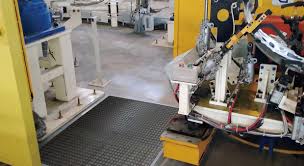
Safety mats such as AMCO Utred mats play a pivotal role in enhancing workplace safety by providing a cushioning layer that reduces the risk of slips, trips, and falls—common hazards in many environments. These mats are designed to absorb impact and provide traction, making them essential in areas where employees are likely to encounter wet or slippery surfaces. For instance, in food service establishments or manufacturing plants, spills are inevitable; safety mats can significantly mitigate the risk of accidents by offering a stable footing.
In addition to preventing falls, safety mats can also contribute to ergonomic safety. Many workers spend long hours standing on hard surfaces, which can lead to fatigue and musculoskeletal disorders. Anti-fatigue mats are specifically designed to alleviate discomfort by promoting better posture and reducing strain on the body.
By incorporating these mats into the workplace, employers can enhance employee comfort and productivity while simultaneously reducing the likelihood of injuries related to prolonged standing.
Choosing the Right Safety Mats for Your Workplace
Selecting the appropriate safety mats for a workplace requires careful consideration of several factors, including the specific hazards present, the type of flooring, and the nature of the work being performed. For instance, in environments where liquids are frequently spilled, such as kitchens or laboratories, mats with high slip resistance and drainage capabilities are essential. These mats often feature textured surfaces that enhance grip and prevent slips even when wet.
Another critical factor is the material composition of the mats. Rubber mats are popular for their durability and resistance to wear and tear, making them suitable for high-traffic areas. Conversely, foam mats may be more appropriate for environments where employees stand for extended periods, as they provide cushioning that helps reduce fatigue.
Additionally, considerations such as mat thickness, size, and ease of cleaning should also influence the decision-making process. By evaluating these factors thoroughly, employers can ensure they select mats that not only meet safety standards but also align with their operational needs.
Installing Safety Mats Properly for Maximum Effectiveness
The installation of safety mats is a crucial step that can significantly impact their effectiveness in preventing workplace accidents. Proper placement is essential; mats should be positioned in high-risk areas such as entryways, near machinery, or around wet zones where spills are likely to occur. Ensuring that mats lie flat without any wrinkles or gaps is vital to prevent tripping hazards.
In some cases, using adhesive backing or securing mats with tape can help keep them in place. Furthermore, it is important to consider the layout of the workspace when installing safety mats. For example, in a manufacturing facility with assembly lines, strategically placing mats along walkways and workstations can enhance safety while promoting efficient movement throughout the area.
Employers should also assess whether additional signage or barriers are needed to draw attention to mat locations and remind employees of their importance in maintaining a safe work environment.
Maintaining Safety Mats for Long-Term Use
To ensure that safety mats continue to provide effective protection over time, regular maintenance is essential in your commercial space in Perth. This includes routine cleaning to remove dirt, grease, and other contaminants that can compromise their slip-resistant properties. Depending on the material of the mat, cleaning methods may vary; rubber mats can often be hosed down or scrubbed with mild detergents, while foam mats may require more delicate handling to avoid damage.
In addition to cleaning, periodic inspections should be conducted to identify any signs of wear or damage. Cracks, tears, or significant wear patterns can diminish the effectiveness of safety mats and pose new hazards. If any issues are detected, timely repairs or replacements should be made to maintain a safe working environment.
By implementing a proactive maintenance schedule, employers can extend the lifespan of their safety mats while ensuring they continue to meet safety standards.
Training Employees on the Benefits and Proper Use of Safety Mats
Employee training is an integral component of workplace safety that should not be overlooked when implementing safety mats. Workers must understand the purpose of these mats and how they contribute to their overall safety. Training sessions can cover topics such as identifying high-risk areas where mats are installed and recognizing the importance of keeping these areas clear of obstructions.
Additionally, employees should be educated on how to properly use safety mats. This includes understanding how to navigate around them safely and recognizing when a mat may need maintenance or replacement. Engaging employees in discussions about safety practices fosters a culture of accountability and encourages them to take an active role in maintaining their own safety as well as that of their colleagues.
Evaluating the Impact of Safety Mats on Workplace Safety
To assess the effectiveness of safety mats in enhancing workplace safety, organizations should implement evaluation metrics that track incidents related to slips, trips, and falls before and after mat installation. This data can provide valuable insights into whether the introduction of safety mats has led to a measurable reduction in accidents. Additionally, conducting employee surveys can help gauge perceptions of safety improvements and identify any lingering concerns regarding workplace hazards.
Regular evaluations not only help organizations understand the impact of their safety measures but also inform future decisions regarding safety equipment investments. If data indicates that certain types of mats are more effective than others in specific environments, employers can make informed choices about future purchases or upgrades. This continuous improvement approach ensures that workplace safety remains a priority and evolves alongside changing conditions.
Compliance with Safety Regulations and Standards
Compliance with safety regulations and standards is paramount for any organization aiming to create a safe work environment. Various regulatory bodies, such as the Occupational Safety and Health Administration (OSHA) in the United States, set forth guidelines that dictate minimum safety requirements for workplaces across different industries. These regulations often include specifications regarding slip-resistant flooring and matting solutions.
Employers must stay informed about relevant regulations and ensure that their safety mat choices align with these standards. Regular audits can help identify any compliance gaps and provide opportunities for corrective action before issues arise. By adhering to established guidelines, organizations not only protect their employees but also mitigate legal risks associated with workplace injuries.
Ultimately, compliance serves as both a legal obligation and a moral imperative that underscores an organization’s commitment to fostering a safe working environment for all employees.