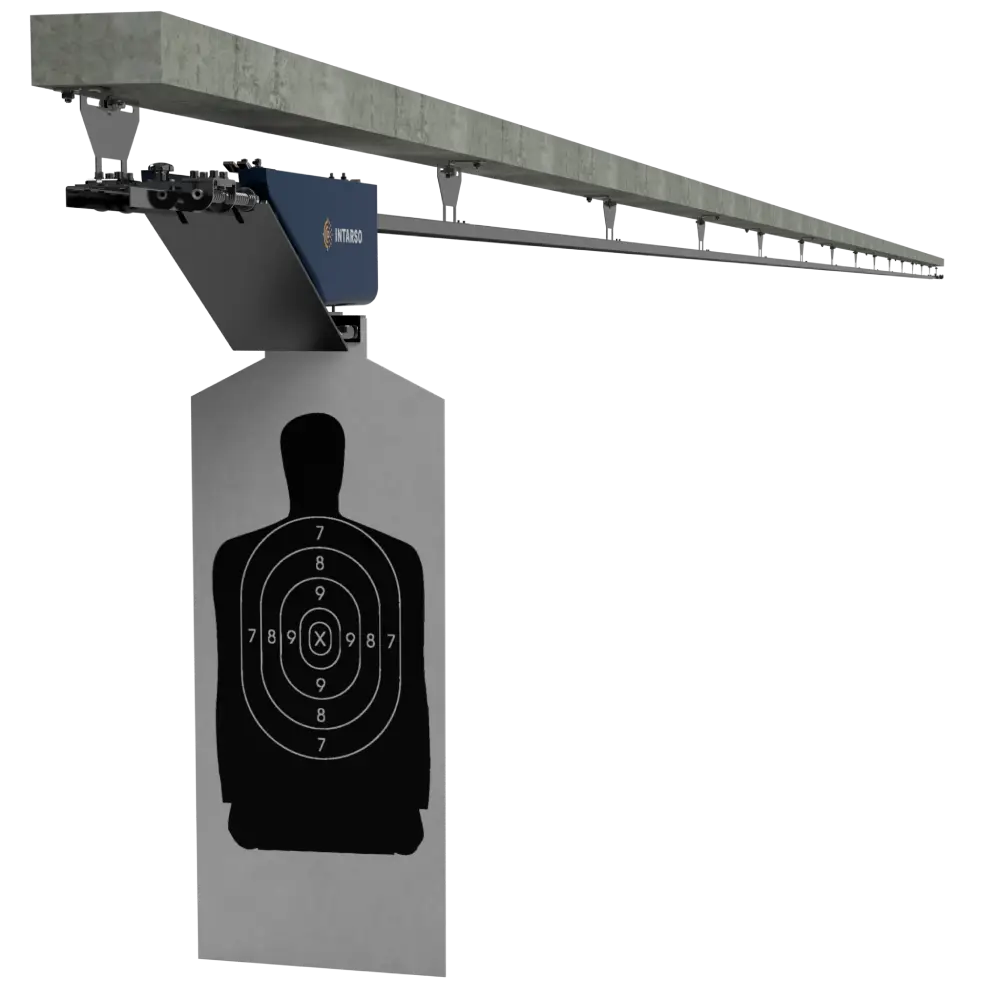
Shooting ranges feel less like dusty gravel pits and more like mini data centers every year. Sport shooting exploded from about 34 million to over 63.5 million adult participants in the U.S. between 2009 and 2022, which pushes ranges to modernize fast.
At the same time, analysts expect the global shooting-range market to almost double in value by 2032, driven largely by tech upgrades and smarter infrastructure.
Rifles, Optics, And Hardware That Talk Back
The rifle on the firing line now often looks like a laptop with a muzzle. Red-dot sights, LPVOs, thermal optics, and ruggedized tablets sit next to classic wood furniture and steel magazines.
Semi-auto rifles such as the ZPAPM72 blend iconic RPK-style features with modern production and quality control, so shooters enjoy battlefield heritage and range-day reliability in one package.
Sensors in scopes log round counts and shot strings. Smart muzzle devices track recoil and muzzle climb. Even ear protection now often includes Bluetooth, so shooters stream shot-timer alerts and coaching audio straight into their hearing protection instead of yelling over the noise.
Smart Targets And Instant Feedback
Paper targets still hang on a lot of backstops, but electronic target systems are gaining serious ground. Acoustic or optical sensors detect each shot, then send the exact impact point to a screen in less than a second.
Instead of walking downrange after each string, shooters check a monitor that shows group size, mean point of impact, and even heat maps of where most shots land. Some systems meet strict ISSF standards and claim accuracy down to hundredths of a millimeter, which turns every casual practice session into a mini data lab.
For range owners, electronic targets reduce staff time for scoring and target replacement. They also enable paid “performance lanes” that justify higher fees for shooters who crave competitive-level feedback without a full match setup.
Apps, Shot Timers, And Data-Driven Training
The classic belt-mounted shot timer now often pairs with a smartphone. Bluetooth timers send split times, draw times, and total runs to an app that logs every drill in neat charts
Shooters create profiles for different guns and loads, then compare performance week over week. A simple Mozambique drill no longer ends with “felt faster”; the app shows hard numbers that prove progress or expose a slump.
That level of detail matters, because surveys show that around 61% of U.S. firearm owners already complete some form of formal training; tech helps that training stick and stay measurable.
Range operators tap into this trend with branded apps. They push safety reminders, lane reservations, and loyalty rewards directly to phones, so the range experience continues long after brass hits the floor.
VR Simulators And Hybrid Ranges
Virtual reality and video-based simulators no longer sit only in elite police academies. Many commercial ranges install simulator rooms that use laser-equipped guns and responsive screens.
These systems throw shooters into scenarios they could never stage on a live-fire line: low-light encounters, moving threats, or de-escalation decision trees. Instructors pause, rewind, and replay each run, which helps students dissect their reaction instead of guessing.
Hybrid ranges mix live fire with simulator training in the same visit. A new gun owner might start in VR to ingrain safe muzzle control, then move next door to live fire with real recoil and blast. That combination supports the broader push for more structured safety training before or alongside live-fire use.
Safety, Sensors, And Range Management Tech
Tech also reshapes how ranges stay safe and compliant. Modern ventilation systems track air quality in real time and report lead particle levels to a dashboard, which protects both staff and customers.
Gunshot-detection networks, originally designed for campuses and office complexes, appear more often around large training facilities. Some systems claim 99.9% accuracy and sub-second alerts by fusing acoustic “bang” data with infrared flash detection.
On the business side, cloud-based range-management software handles lane reservations, waivers, rental inventory, and digital safety briefings. That stack reduces paperwork, cuts front-desk bottlenecks, and leaves staff more time for coaching and supervision instead of endless forms.
Logistics, Ranges, And The Road To The Range
A high-tech range still depends on old-school logistics. Ammunition, steel targets, ballistic rubber, and HVAC equipment do not teleport themselves to the facility. Heavy-duty trailers and semi-trailers handle that job and often run long interstate routes before they back up to the loading dock.
Companies such as Balkan Trailer specialize in semi-trailers and container carriers that haul heavy and high-value cargo across demanding routes in Southeast Europe.
That kind of transport backbone keeps targets, props, and range infrastructure moving between manufacturers, distributors, and the ranges that depend on them.
As ranges scale up with more lanes, bigger bullet traps, and complex ventilation units, dependable freight and specialized trailers matter almost as much as the electronics inside the building. Tech at the firing line still rests on steel and rubber that arrive behind a truck.
What The Future Range Experience Looks Like
In the near future, a typical range visit may start on your couch. You book a lane in an app, preload your safety waiver, and choose a training plan tailored to your skill level. At the range, smart kiosks assign you to a lane where electronic targets, timers, and cameras already know your profile.
You leave with more than a pile of brass and a vague sense of improvement. You walk out with charts that show tighter groups, faster transitions, and specific drills for your next visit.
Behind the scenes, range owners watch dashboards for air quality, lane usage, and maintenance tasks. Freight partners deliver the next batch of targets and filters right on schedule.
Tech does not replace fundamentals such as trigger control or muzzle discipline, but it amplifies them. The result: safer ranges, sharper shooters, and a sport that looks more like precision engineering than guesswork.