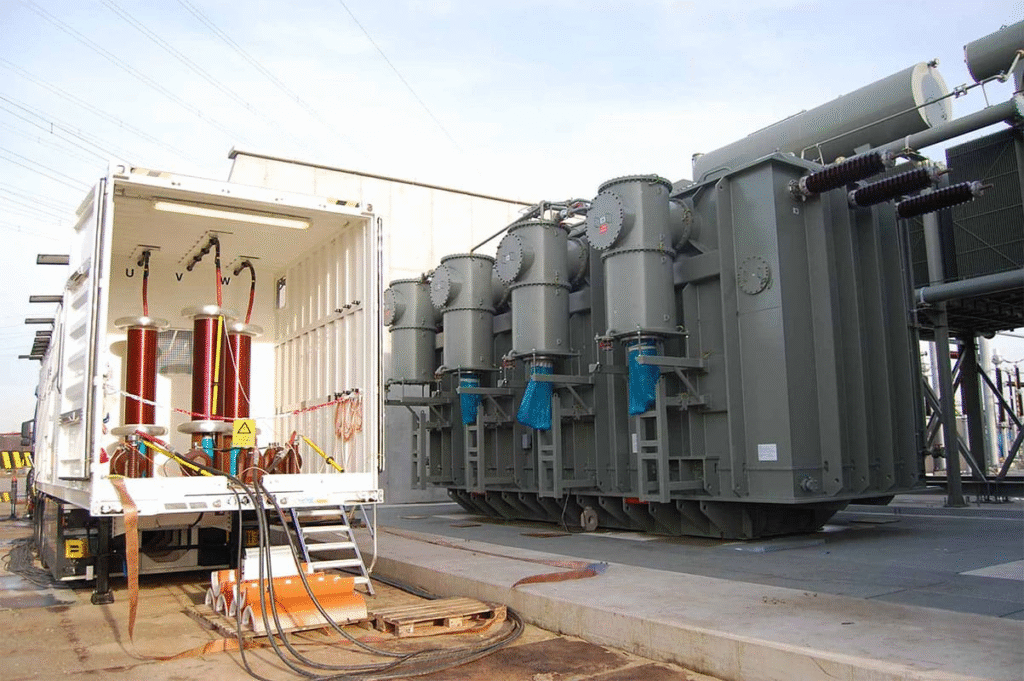
Medium voltage (MV) switchgear is a critical component of modern electrical infrastructure. It ensures safe, efficient, and reliable distribution of electricity across industrial, commercial, and utility systems. Proper maintenance of MV switchgear is essential to extend equipment lifespan, prevent unplanned outages, and maintain operational efficiency. Professional medium voltage switchgear maintenance practices help facilities maximize system longevity while safeguarding personnel and critical equipment.
This article explores the importance of MV switchgear maintenance, essential procedures, benefits, and best practices for optimizing electrical system performance.
Understanding Medium Voltage Switchgear
Medium voltage switchgear typically operates in the range of 3kV to 36kV and serves as the central hub for managing electrical distribution. It integrates protection, control, and monitoring systems to ensure safe and reliable energy delivery.
Core Functions of MV Switchgear
The primary functions of medium voltage switchgear include:
- Power Distribution: Efficiently directing electricity to various circuits and facilities.
- Protection: Detecting and isolating electrical faults to prevent equipment damage.
- Isolation: Allowing safe maintenance of circuits without disrupting overall operations.
- Monitoring and Control: Providing real-time insights into system performance for optimal energy management.
Maintaining these functions at peak efficiency requires regular inspection, testing, and servicing by skilled professionals.
Why Professional MV Switchgear Maintenance is Essential
Medium voltage switchgear operates under high electrical stress and environmental conditions. Professional maintenance ensures reliability, safety, and longevity.
1. Enhancing Safety
Switchgear failures can result in hazardous situations such as arc flashes, electrical fires, or equipment damage. Professional maintenance helps:
- Identify worn or faulty components
- Detect insulation degradation or corrosion
- Prevent unsafe operating conditions
- Ensure compliance with safety standards
Prioritizing safety during maintenance protects personnel and the surrounding infrastructure.
2. Maintaining Reliable Power Supply
Unplanned outages due to switchgear failure can disrupt critical operations. Professional maintenance ensures:
- Continuous and stable energy distribution
- Quick detection and resolution of potential faults
- Reduced risk of downtime in essential facilities such as hospitals, data centers, or manufacturing plants
Reliable MV switchgear ensures smooth operations and prevents losses associated with energy interruptions.
3. Extending System Lifespan
Components like circuit breakers, busbars, and protective relays can deteriorate over time due to heat, electrical stress, and environmental factors. Regular professional maintenance:
- Prevents premature equipment failure
- Reduces repair and replacement costs
- Enhances overall system reliability and efficiency
Prolonging the life of MV switchgear saves significant capital investment in the long run.
Key Components of Professional MV Switchgear Maintenance
Effective maintenance programs involve a combination of visual inspection, testing, cleaning, and preventive measures.
1. Visual Inspection
Routine visual checks identify signs of wear and damage, including:
- Loose or corroded connections
- Insulation cracks or discoloration
- Dust, moisture, or foreign particle accumulation
- Overheating or arcing signs
Visual inspection is the first step in preventing larger issues from developing.
2. Mechanical Inspection
Mechanical checks focus on the physical condition of the switchgear:
- Testing the operation of circuit breakers and isolators
- Checking mechanical interlocks and operating mechanisms
- Ensuring proper alignment and functionality of components
Mechanical inspections ensure smooth and reliable operation of the switchgear system.
3. Electrical Testing
Electrical tests verify performance and detect hidden faults:
- Insulation Resistance Testing: Detects deteriorating insulation that may cause faults.
- Contact Resistance Measurement: Ensures efficient current flow and minimizes heating.
- Functional Testing: Confirms the correct operation of protective relays and circuit breakers.
- High-Voltage Testing: Validates system integrity under stress conditions.
Electrical testing ensures that MV switchgear operates reliably under normal and peak load conditions.
4. Cleaning and Lubrication
Accumulated dust, moisture, and debris can compromise performance and lead to corrosion. Proper cleaning:
- Removes contaminants from components
- Reduces the risk of insulation damage
- Improves system efficiency
Lubricating moving parts like operating mechanisms prevents mechanical wear and ensures smooth performance.
5. Thermal Imaging
Thermal scanning detects hotspots in electrical connections or busbars that may indicate potential faults. Identifying and addressing these issues early prevents equipment failures and improves safety.
Benefits of Professional MV Switchgear Maintenance
Enhanced Safety
Routine maintenance ensures that all protective devices function correctly, reducing the risk of accidents or system failures.
Reliable Power Distribution
Proactive maintenance minimizes unplanned downtime, ensuring continuous and stable electricity supply for critical operations.
Operational Efficiency
Properly maintained switchgear operates at peak efficiency, reducing energy losses and preventing unnecessary load on equipment.
Reduced Maintenance Costs
Regular professional servicing identifies problems before they escalate, lowering the cost of emergency repairs and minimizing downtime.
Regulatory Compliance
Maintenance ensures adherence to electrical safety standards and regulations, avoiding potential legal and operational penalties.
Best Practices for Professional MV Switchgear Maintenance
1. Follow Manufacturer Recommendations
Adhere to the manufacturer’s maintenance schedules and operational guidelines to maintain warranty compliance and optimal performance.
2. Schedule Preventive Maintenance Regularly
Implement a routine maintenance plan with periodic inspections, testing, and servicing based on load conditions and operational environment.
3. Employ Skilled Personnel
Use certified electrical engineers and trained technicians who understand MV switchgear systems, safety protocols, and best maintenance practices.
4. Maintain Detailed Records
Document all maintenance activities, inspections, repairs, and component replacements. Record-keeping helps in future planning and ensures compliance with standards.
5. Incorporate Advanced Diagnostic Tools
Leverage thermal imaging, digital testing, and monitoring tools for early detection of potential issues, predictive maintenance, and real-time performance tracking.
Conclusion
Professional maintenance of medium voltage switchgear is vital for maximizing system longevity, reliability, and safety. By combining visual inspections, mechanical and electrical testing, cleaning, lubrication, and advanced monitoring, facilities can prevent unplanned downtime, reduce operational risks, and extend the life of their electrical infrastructure.
From industrial plants and commercial buildings to critical infrastructure, professional MV switchgear maintenance ensures stable power distribution, energy efficiency, and protection of personnel and equipment. Investing in a structured, professional maintenance program is essential for achieving long-term operational success and maximizing the value of your electrical systems. Contact us now to schedule expert medium voltage switchgear maintenance and ensure your electrical systems operate safely and efficiently.