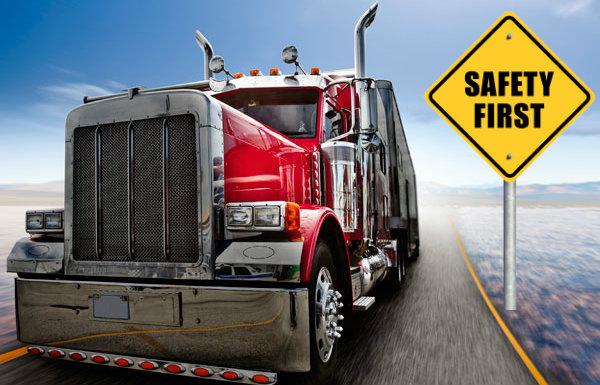
The trucking industry operates within one of the most regulated environments in the transportation world, largely because trucks carry massive loads, travel across long distances, and share highways with millions of other vehicles. Safety and legal compliance are not optional requirements; they form the backbone of a well-functioning logistics system. A single accident can halt operations, damage cargo, injure drivers, create legal liabilities, and impact a company’s reputation. Understanding the legal landscape that governs trucking ensures smooth operations, protects employees, reduces financial risk, and helps carriers maintain long-term business stability. Whether a company manages a nationwide fleet or an independent owner-operator is running a single truck, the rules are the same, and they exist to protect everyone on the road.
Regulations begin at the federal level. Agencies such as the Federal Motor Carrier Safety Administration (FMCSA) set the standards for commercial vehicle operations across state lines. These regulations cover hours-of-service limits that restrict how long a driver can remain behind the wheel, mandatory breaks, maximum driving hours per day, and weekly driving caps. These rules exist to reduce fatigue-related accidents, one of the leading risks in long-haul trucking. Carriers must also ensure that drivers maintain valid commercial driver’s licenses, complete medical evaluations, and stay compliant with drug and alcohol testing requirements. Non-compliance can lead to fines, operational suspensions, and increased insurance costs.
Safety procedures extend beyond licensing and working hours. Carriers must implement thorough vehicle inspection standards before every trip, including brake checks, tire evaluations, fluid levels, and lighting systems. Regular preventative maintenance ensures that trucks remain roadworthy and reduces the likelihood of mechanical failures. A small oversight, such as worn tires or faulty brakes, can escalate into serious on-road hazards. As a result, many companies adopt rigorous maintenance schedules supported by digital tools that provide reminders and track service history. Well-maintained trucks not only enhance safety but also improve fuel efficiency and reduce long-term repair costs.
Another crucial element of trucking safety involves cargo handling and load securement. Improperly loaded trailers can cause shifting, tipping, or uneven weight distribution, increasing the risk of rollovers and mechanical stress. Regulations require carriers to follow strict cargo-securement guidelines using straps, chains, load bars, and blocking equipment. Drivers must also understand weight limits to avoid overweight citations and stress on vehicle components. When trailers are loaded correctly and documentation is accurate, drivers can travel with confidence knowing the load will not compromise their safety or compliance.
The legal framework also demands that carriers maintain adequate insurance coverage for both vehicles and cargo. Insurance protects companies from financial losses resulting from accidents, damaged goods, theft, or liability claims. The minimum insurance requirements vary based on the type of cargo, vehicle size, and operational range, but many carriers choose higher coverage for added protection. Comprehensive insurance builds trust with clients and keeps businesses financially secure in the face of unexpected events. Clients often prefer carriers with strong insurance policies, as it reflects professionalism and reliability.
Accident response procedures are an essential part of legal and safety protocols. When an incident occurs, drivers must follow specific steps to ensure safety, preserve evidence, and comply with legal expectations. This typically includes securing the accident scene, checking for injuries, contacting authorities, recording details, and notifying dispatch or the employer. Documentation plays a major role in protecting both the driver and the company during legal reviews or insurance claims. Photographs, witness statements, and accurate timelines help reconstruct events and clarify responsibilities. Companies often train drivers on how to respond calmly and effectively in emergencies.
Another key factor affecting legal compliance in trucking is record keeping. Carriers are required to maintain detailed logs of hours of service, vehicle maintenance, cargo manifests, inspection reports, and communication records. With the introduction of electronic logging devices (ELDs), maintaining accurate driving logs has become easier and more reliable. These digital systems automatically record driving time, engine hours, and rest periods, eliminating outdated manual logbooks and reducing compliance errors. Proper record keeping ensures transparency, simplifies inspections, and protects companies from regulatory penalties.
Legal considerations also include employment practices. Companies must adhere to labor laws that govern driver wages, rest times, safety training, and workplace protections. Misclassifying drivers or neglecting safety responsibilities can lead to lawsuits, penalties, and damaged reputations. By providing proper training, health accommodations, and clear communication channels, companies support their workforce while protecting themselves legally. Safe and fair working conditions reduce turnover and improve driver morale, ultimately strengthening long-term operational stability.
Regulatory accuracy plays a huge role in reducing legal risks, especially for carriers operating across multiple states. Companies often need to revise previous filings, update carrier information, or correct documentation errors to remain compliant. These adjustments help prevent violations during audits and ensure that fleet operations continue without interruption. Carriers seeking to update or correct their records can learn more at Federal Motor Carrier Authority Online Filings to complete the appropriate steps and keep all required information up to date. Staying ahead of these requirements strengthens operational stability and minimizes the chances of unexpected compliance issues.
Another rising concern in trucking involves cybersecurity. As fleets adopt more digital tools, electronic records, GPS systems, and IoT-connected devices, they become vulnerable to cyber threats. Hackers may target dispatch systems, routing software, or even truck diagnostics. Companies must implement security protocols, encrypted communications, and regular software updates to protect data integrity. Cybersecurity is no longer just an IT issue; it is now an essential legal and safety requirement as well.
Environmental regulations are also shaping trucking operations. Emission standards are becoming stricter across many regions, pushing companies to adopt fuel-efficient engines, alternative fuels, or electric trucks. Violating emission rules can lead to fines, license suspensions, or operational restrictions. Companies that proactively follow environmental guidelines position themselves competitively and avoid sudden compliance issues. Sustainability also improves public perception and can attract clients committed to eco-friendly logistics choices.
Finally, legal and safety considerations contribute to overall business resilience. Companies that maintain compliance, implement strong safety programs, invest in training, and prioritize reliability consistently outperform competitors. They experience fewer disruptions, lower insurance costs, higher customer retention, and stronger brand credibility. As the trucking industry continues evolving with technological innovations and changing regulations, carriers that focus on legal compliance and safety remain adaptable and future-ready.