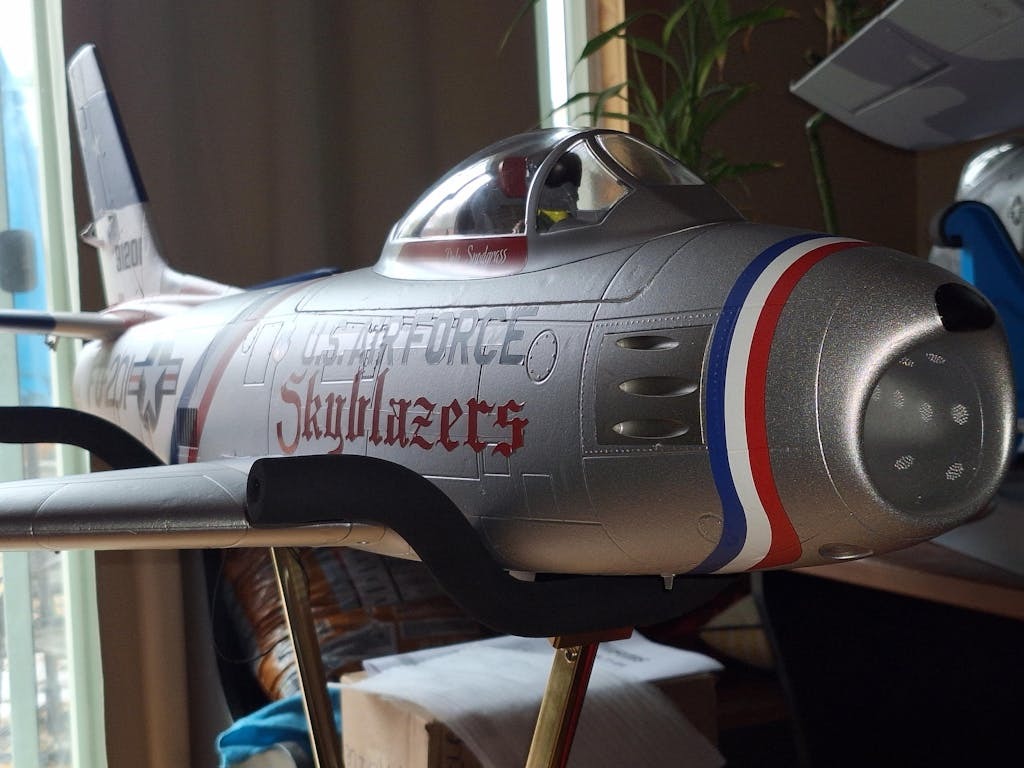
Remote control airplanes have captivated hobbyists for decades, offering an exhilarating way to experience the joy of flight from the ground. For newcomers, entering the world of RC aviation can feel overwhelming with countless models, technical specifications, and flying techniques to consider. However, modern beginner-friendly designs have made it easier than ever to take to the skies with confidence. Today’s entry-level RC airplanes feature innovative stabilization systems, durable construction, and intuitive controls that help new pilots develop their skills without the frustration of constant crashes. Whether you’re drawn to the peaceful glide of a trainer plane or the excitement of aerobatic maneuvers, selecting the right beginner aircraft sets the foundation for a rewarding hobby. This guide walks you through everything you need to know about choosing your first RC airplane, from understanding essential features to mastering basic flight techniques, ensuring your introduction to RC aviation is both enjoyable and successful.
Introduction to RC Airplanes
RC airplanes represent a fascinating intersection of technology, aerodynamics, and hands-on piloting skill that appeals to enthusiasts of all ages. These miniature aircraft come in various configurations, from high-wing trainers designed for stability to sleek jets built for speed. Modern RC planes typically operate on 2.4GHz radio frequencies, providing reliable control without interference from other pilots nearby. Most beginner models feature either electric motors powered by rechargeable batteries or small fuel engines, with electric versions becoming increasingly popular due to their convenience and quieter operation. The fundamental components include a transmitter that you hold, a receiver installed in the aircraft, servos that move the control surfaces, and the power system. Entry-level planes often incorporate gyro stabilization technology that automatically corrects minor flight deviations, making them remarkably forgiving for new pilots. Understanding these basic elements helps demystify RC aviation and reveals why today’s beginner aircraft are far more accessible than the temperamental models of previous decades, opening the skies to anyone willing to learn.
Key Considerations for Beginners
Selecting your first rc airplane requires careful attention to several critical factors that directly impact your learning experience and long-term enjoyment of the hobby. Flight duration stands as a primary consideration, with most beginner electric planes offering between 10 to 20 minutes of airtime per battery charge. This window provides enough practice time without causing fatigue, though purchasing multiple batteries ensures continuous flying sessions. Charging times typically range from 30 minutes to two hours depending on battery capacity and charger type, so planning your flying schedule around these intervals prevents frustrating downtime at the field. The aircraft’s construction material significantly affects durability and repairability—foam models excel for beginners because they absorb impacts well and can be easily fixed with glue, while balsa wood planes offer traditional appeal but require more careful handling. Size matters considerably, as larger planes with wingspans around 30 to 48 inches provide better visibility and more stable flight characteristics in light wind compared to smaller models that get tossed around easily. Ready-to-fly packages eliminate assembly complexity and include everything needed except batteries, making them ideal for absolute beginners who want to fly immediately rather than spending hours building. Finally, consider the availability of replacement parts in your region, as even the most durable planes eventually need new propellers, landing gear, or control surfaces after inevitable learning mishaps.
Beginner-Friendly RC Models
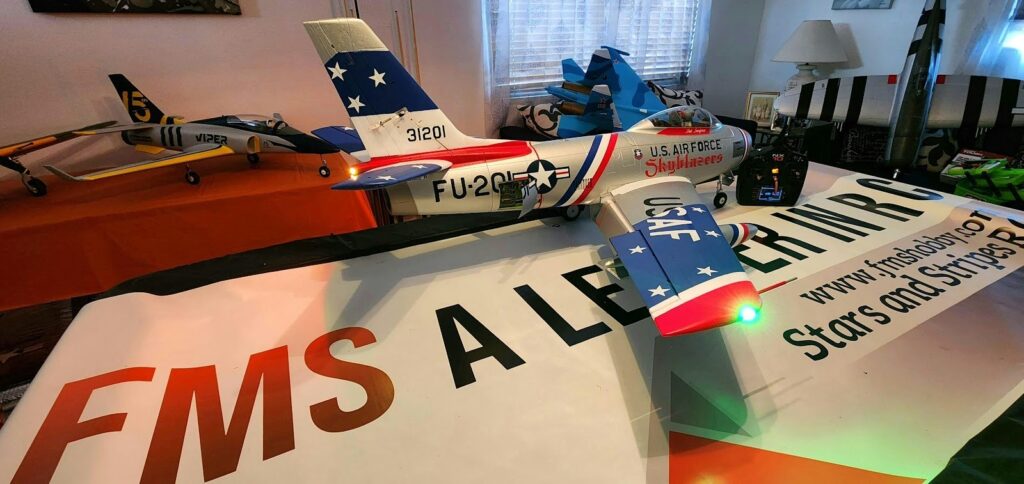
The market offers several outstanding RC airplane models specifically engineered to help newcomers succeed in their flying journey. High-wing trainer aircraft dominate the beginner category because their design naturally resists tipping and provides inherent stability during flight. These trainers typically feature tricycle landing gear with a nose wheel that makes ground handling and takeoffs straightforward, unlike tail-dragger configurations that require more skill to control on the runway. Planes with three-channel control systems—managing throttle, elevator, and rudder—offer the simplest introduction, allowing you to focus on basic altitude and direction changes before adding aileron control for banking turns. Four-channel models that include ailerons provide more realistic flying experiences and better prepare you for advanced aircraft down the road. Pusher-prop configurations place the propeller behind the wing, protecting it from ground strikes during rough landings and reducing the risk of damaging this critical component during your learning phase. Many beginner models now include SAFE technology or similar stabilization systems that offer multiple flight modes, starting with maximum assistance that practically flies the plane for you, then progressively reducing aid as your confidence grows. Foam construction with reinforced areas around high-stress points delivers the perfect balance between lightweight flight characteristics and crash survivability. Look for models with modular designs where damaged sections can be quickly replaced rather than requiring complete rebuilds. The best beginner planes also feature bright color schemes with high-visibility patterns that help you maintain visual contact during flight, preventing disorientation that leads to loss of control. Starting with a proven trainer model from established manufacturers like FMS Model ensures access to extensive online tutorials, active user communities, and readily available spare parts that support your learning process.
RC Airplane Features and Performance
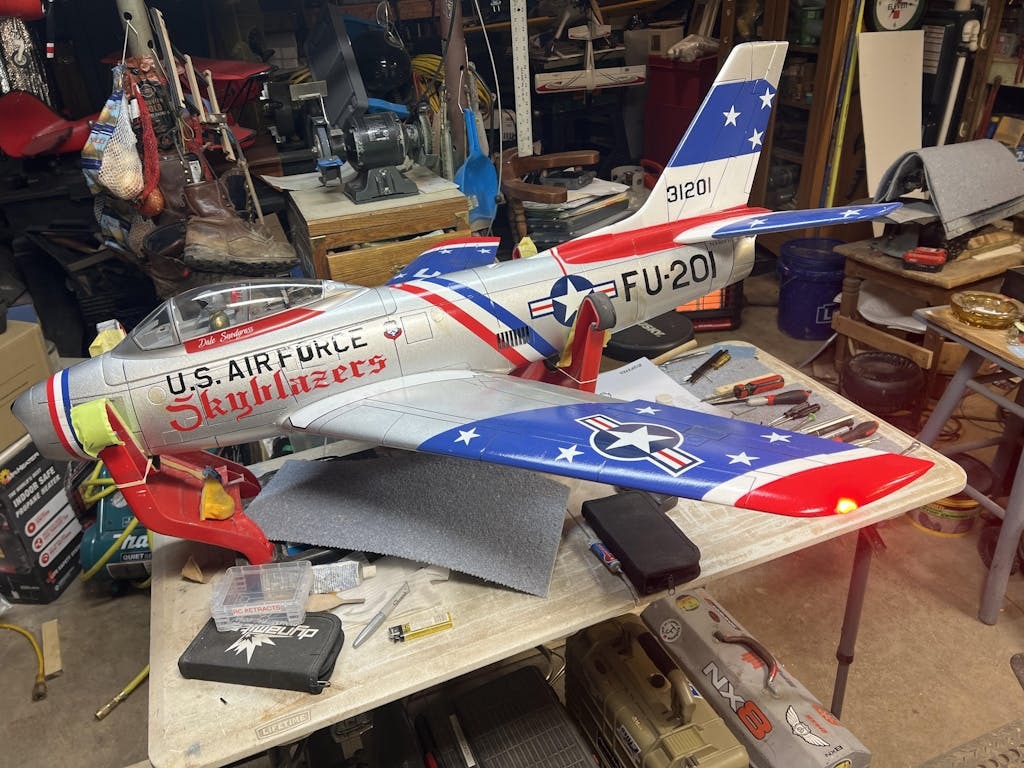
Understanding the technical features that influence RC airplane performance helps you make informed decisions and set realistic expectations for your flying experience. Wing loading, calculated by dividing the aircraft’s weight by its wing area, determines how the plane handles in different conditions—lower wing loading creates slower, more stable flight ideal for learning, while higher values produce faster, more responsive aircraft that demand quicker reactions. The power-to-weight ratio affects climb rate and acceleration, with beginner planes typically featuring moderate ratios that provide adequate performance without overwhelming new pilots with excessive speed. Control throw adjustments, which determine how far control surfaces move in response to transmitter inputs, allow you to customize responsiveness; starting with reduced throws prevents overcontrolling while you develop smooth input techniques. Battery capacity directly correlates with flight time, but larger batteries add weight that can negatively impact handling, so manufacturers carefully balance these factors in beginner designs. Motor efficiency and propeller selection work together to optimize thrust and flight duration—properly matched combinations deliver reliable performance across various flying styles. Wind resistance capabilities vary significantly among models, with stable trainers handling breezes up to 10-15 mph while lightweight parkflyers struggle in anything beyond calm conditions. Range limitations of 2.4GHz systems rarely pose problems for visual line-of-sight flying, typically extending several hundred yards before signal concerns arise. Stall speed, the minimum velocity at which the plane maintains controlled flight, should be low in beginner aircraft to provide comfortable approach speeds during landing attempts. Recovery characteristics matter immensely when learning, as forgiving planes naturally return to level flight when you release the controls, giving you time to assess situations rather than spiraling into crashes. Electronic speed controllers with brake functions help prevent propeller damage during landings by stopping the motor immediately when throttle drops to zero. Understanding how these features interact reveals why certain models excel for training while others, despite appearing similar, frustrate newcomers with handling quirks that require experience to manage effectively.
Learning to Fly RC Planes
Successfully piloting your first RC airplane begins long before you arrive at the flying field, requiring thoughtful preparation and a methodical approach to skill development. Start by thoroughly reading your aircraft’s manual and familiarizing yourself with every control function on your transmitter while the plane remains safely on the ground. Practice holding the transmitter comfortably and manipulating the sticks without looking down, building muscle memory for control inputs. Choose your flying location carefully—seek wide-open spaces like empty parks or designated RC flying fields, avoiding areas near trees, power lines, buildings, or crowds that create hazards and distractions. Weather conditions critically affect your early flights, so wait for calm days with winds below 5 mph and good visibility, as even experienced pilots struggle with gusty conditions. Conduct a pre-flight inspection every time, checking that control surfaces move correctly when you operate the transmitter, all components are securely attached, the battery is fully charged and properly connected, and the propeller is undamaged. Many beginners benefit enormously from finding an experienced pilot who can provide hands-on guidance during initial flights, either through local RC clubs or flying field communities where veterans typically welcome newcomers enthusiastically. Consider using a buddy box system if available, which connects two transmitters and allows an instructor to take control instantly when problems arise. Set realistic expectations for your first several flights—simply getting the plane into the air, flying a basic circuit, and landing without major damage constitutes genuine success worth celebrating before attempting anything more ambitious.
Basic Flying Techniques
Mastering fundamental flight maneuvers establishes the foundation for all future RC piloting skills. Begin with the takeoff by advancing the throttle smoothly to full power while using gentle rudder inputs to keep the plane tracking straight down your runway or takeoff path—resist the urge to pull back on the elevator until the aircraft naturally lifts off at flying speed. Once airborne, establish a comfortable altitude of at least 50 feet, giving yourself room to recover from mistakes without hitting the ground. Practice flying rectangular patterns that keep the plane in front of you at a safe distance, using gentle control inputs to maintain level flight and consistent altitude. Turns require coordinated rudder and elevator inputs—apply rudder in your intended direction while adding slight up elevator to maintain altitude through the turn, then neutralize controls as you roll out on your new heading. Throttle management maintains altitude and airspeed, with more power needed during climbs and turns, less during descents and straight flight. The landing approach demands your most careful attention: position the plane on a long, straight final approach into the wind, gradually reduce throttle while maintaining a gentle descent angle, and use elevator to flare just before touchdown, raising the nose slightly to bleed off speed for a smooth arrival. If an approach looks wrong, immediately apply full throttle and climb away for another attempt rather than forcing a bad landing.
Advanced Flying Techniques
Once you’ve achieved consistent takeoffs, circuits, and landings, expanding your skill set with advanced maneuvers adds excitement and prepares you for more capable aircraft. Inverted flight challenges your orientation by flipping the plane upside down, requiring opposite elevator inputs since up becomes down—practice at safe altitude and remember to add power as inverted flight creates more drag. Loops demonstrate energy management by pulling back smoothly on the elevator to trace a vertical circle, maintaining steady back pressure throughout while adding throttle at the top to prevent stalling. Rolls involve applying full aileron deflection in one direction while using slight up elevator to keep the nose from dropping during rotation, creating a corkscrew path through the air. Figure-eight patterns flown horizontally improve your coordination by requiring continuous turns that change direction, helping you maintain spatial awareness regardless of the aircraft’s orientation relative to your position. Crosswind landings teach real-world skills by approaching at an angle to compensate for wind drift, then straightening the plane just before touchdown using coordinated rudder inputs. Slow flight near stall speed builds confidence in your plane’s handling characteristics at minimum controllable airspeed, essential knowledge for perfecting landing approaches. Touch-and-go landings, where you land briefly then immediately take off again without stopping, accelerate your proficiency by providing multiple landing practice opportunities in a single flight session. Always practice new maneuvers at safe altitude with plenty of room for recovery, gradually working lower as your consistency improves and your reflexes sharpen.
Your Journey in RC Aviation Begins
Entering the world of RC aviation as a beginner has never been more accessible, thanks to modern aircraft designs that prioritize stability, durability, and ease of use. Selecting the right trainer airplane with features like high-wing configuration, gyro stabilization, and foam construction dramatically improves your chances of success while minimizing frustration during the learning curve. Understanding key considerations such as flight duration, charging requirements, and weather limitations helps you prepare adequately for each flying session and avoid common pitfalls that discourage newcomers. Starting with fundamental techniques like smooth takeoffs, controlled circuits, and gentle landings builds the confidence and muscle memory necessary for progressing to advanced maneuvers. Remember that every expert pilot once struggled with their first flights, and patience combined with consistent practice transforms initial challenges into rewarding achievements. Connecting with local RC clubs provides invaluable mentorship and creates a supportive community that enhances your enjoyment of the hobby. As your skills develop, the skies open to increasingly capable aircraft and exciting flying styles, but the foundation you build with a quality beginner plane remains essential throughout your RC aviation journey. Take your time choosing the right model, respect the learning process, and soon you’ll experience the unmatched thrill of confidently piloting your aircraft through the sky.