These days, life moves fast—and people are starting to realize that health isn’t just a bonus; it’s the foundation of everything. Take a look at the numbers: between January and July 2024, global sales in the fast-moving consumer goods (FMCG) market grew 2.4% compared to last year. What’s really interesting is that personal care products are leading the charge.
Traditional Pain Points in the Home Design Industry
Formaldehyde Overexposure
One of the biggest hidden hazards in our homes? Formaldehyde.
Studies show that 70%–80% of newly renovated spaces have levels above safety limits, mostly coming from building materials, furniture, coatings, and adhesives.
Even at low levels, it can irritate your eyes, nose, throat, and skin. Moderate exposure worsens respiratory issues, causing chest tightness, shortness of breath, dizziness, or headaches.
High levels are serious—they increase the risk of cancers and, for expecting parents, can even harm fetal development.
Other Harmful Pollutants
Benzene hides in paints, solvents, adhesives, and panels. Short-term high exposure can cause dizziness, nausea, or worse, while long-term low exposure may affect your blood system.
TVOCs mainly come from coatings and adhesives. Too much can trigger dizziness, headaches, mood swings, asthma, or even liver and blood system issues in severe cases.
Ammonia irritates eyes, throat, and lungs. Mild exposure causes coughing and tearing; severe exposure can harm skin, mucous membranes, and even affect heart or lungs.
Radon is a silent, radioactive gas found in cement, sand, and marble. Long-term exposure increases lung cancer risk, especially for smokers, as its decay damages lung cells.
Complex Procedures and Lack of Transparency
Let’s face it—traditional home renovation can be a real headache. Juggling suppliers, designers, and construction teams often leaves homeowners confused and in the dark about quality and pricing.
Costs are usually opaque, leading to budget overruns, and after-sales service is often lacking. Homeowners are left to handle issues on their own, making the process long, stressful, and exhausting.
These frustrations are driving a shift toward a self-care-focused approach. People now want not just beautiful spaces, but a smoother, more transparent, and less stressful renovation experience—a home that feels like a sanctuary, not a headache.
Material Innovations
Formaldehyde-Free Panels
These panels usually start with natural wood or renewable materials and go through smart treatments like plant-based adhesives, hot-pressing, or steam processing. The result? Strong, stable panels with minimal chemical emissions.
To put numbers on it, these panels typically emit no more than 0.2 mg/L of formaldehyde—well below Europe’s E0 standard of 0.5 mg/L.
Eco-Friendly Paints
Enter eco-friendly paints. Thanks to new formulas and technologies, these paints drastically cut down VOC levels, and some even hit zero. The best part? They don’t compromise on performance. You still get great coverage, strong adhesion, and durability, so your walls look amazing while keeping your home safe.
Take water-based paints, for example. They use water instead of organic solvents, dry quickly, and are super easy to apply—making them a favorite for health-conscious homeowners. It’s a simple switch that can make a big difference for both your space and your well-being.
Product Innovation
Ergonomic Design
Ergonomics isn’t just a buzzword—it’s becoming a key part of furniture and home design. Think bathtubs, chairs, and sofas crafted to support your body properly, helping reduce discomfort from long hours of sitting or lounging.
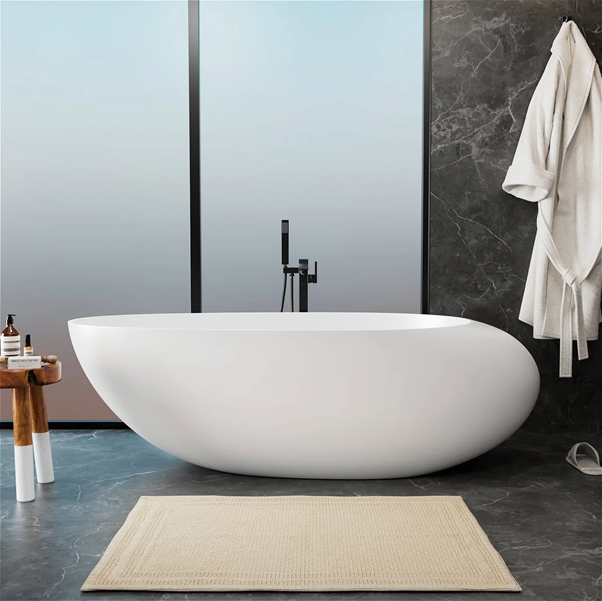
Take ergonomics bathtubs, for example. Some feature curved backrests that follow your natural posture, supporting your waist and easing pressure on your back and neck. It’s a simple way to prevent spinal strain while soaking away the day.
Kitchens are getting ergonomic makeovers too. Countertop heights, cabinet layouts, and even appliance controls are being optimized so you can cook comfortably without hunching over or straining your arms. Little touches like this might seem minor, but they add up—making daily life easier, healthier, and just plain more enjoyable.
Smart Air Purifiers
Smart air purifiers are quickly becoming must-have gadgets for the modern home. With high-efficiency filters like activated carbon and HEPA, they tackle a wide range of pollutants and odors—everything from formaldehyde and benzene to dust, pollen, bacteria, and even viruses.
The “smart” part means they can adjust automatically based on real-time air quality data, often showing updates on LCD screens or through mobile apps. You can control them remotely and keep an eye on your home’s air quality even when you’re away.
Some advanced models even sense human activity and sleep patterns, adjusting airflow accordingly—running faster when you’re active and quieter at night to avoid disturbing your sleep. It’s like having a personal air quality assistant that keeps your home healthy around the clock.
Smart Monitoring Devices
Smart monitoring devices are like having a personal home health assistant. They track key indicators such as temperature, humidity, formaldehyde levels, and PM2.5, sending alerts whenever anything goes beyond safe limits.
For instance, if formaldehyde spikes, you can remotely turn on air purifiers or improve ventilation right from your phone. Many devices also go a step further, offering data insights and personalized health tips—like reminding you to run a humidifier or tweak the air conditioning—so your home stays comfortable and healthy without you having to think twice.
It’s all about making your living space smarter and safer, giving you peace of mind while you go about your day.
Other Smart Home Applications
Smart home tech isn’t just about convenience—it’s about creating a healthier, more comfortable living space. Modern systems now include smart lighting, climate control, and automated curtains.
Smart lighting can adjust brightness based on the time of day or how much natural light is coming in, setting a cozy atmosphere while saving energy. Smart climate control keeps your home at the perfect temperature and humidity automatically. And automated curtains? They open or close on a schedule or in response to sunlight, adding both comfort and convenience.
When these devices work together, they create a connected, intelligent home that not only makes life easier but also supports your overall health and well-being.
Challenges and Strategies
Rising Costs
Of course, going green and smart doesn’t come cheap. Developing, producing, and marketing healthy materials and smart home devices can drive prices up, making these products more expensive than traditional options.
Take formaldehyde-free panels, for example—they require more complex production processes and can cost 20%–50% more than standard panels, which can be a turnoff for some buyers.
So how do companies tackle this? Optimizing supply chains, building long-term supplier relationships, and taking advantage of bulk purchasing are all ways to cut costs. On top of that, investing in R&D, refining production processes, and improving efficiency can make a real difference. Smart pricing strategies also help strike a balance between quality and value, making it easier for consumers to invest in healthier, smarter homes without breaking the bank.
Consumer Awareness
Another challenge? Many consumers just aren’t fully informed. A lot of people don’t know much about the benefits of new materials or smart home devices, and some even question their safety and reliability.
For instance, surveys show that around 40% of consumers only have a basic understanding of formaldehyde-free panels—and they worry that the actual environmental performance might not live up to the marketing hype.
So, what’s the solution? Companies need to step up their marketing and education game. Using both online and offline channels, they can host product launches, hands-on experience events, and educational workshops. Sharing real-life use cases and user reviews on social media and e-commerce platforms also helps build trust and awareness, giving consumers the confidence to make smarter, healthier home choices.
Intense Market Competition
With the rise of health and self-care in home design, more companies are jumping into the market, and competition is getting fierce. For businesses, this means it’s more important than ever to build a strong brand, clearly define their positioning, and create a unique identity that stands out.
Innovation and service quality are key. Offering personalized design solutions, top-notch construction, and reliable after-sales support helps meet diverse consumer needs and build loyalty. Some companies are even providing one-stop services—from design and material selection to construction and aftercare—which has proven to be a winning formula with customers.
In short, standing out in this crowded market requires creativity, quality, and a customer-first approach.
Incomplete Industry Standards
Another hurdle? The lack of unified industry standards. Right now, standards for new materials and smart home devices aren’t fully aligned, which means product quality can vary a lot. This creates headaches for both consumers trying to make safe choices and companies trying to compete fairly.
To fix this, governments and regulatory bodies need to step up—setting clear standards, improving quality testing and certification, and refining market entry and exit rules to weed out subpar products.
But it’s not just about regulation. Companies themselves should stick to high standards and maintain self-discipline. By doing so, they help ensure the industry grows in a healthy, orderly way—benefiting everyone from manufacturers to homeowners.
Future Outlook
Looking ahead, the home design industry is set to grow even more, guided by health and self-care principles. As people continue to prioritize wellness and quality of life, these concepts are becoming a driving force behind industry innovation. Healthy materials and smart home devices will become more common, and as technology advances and production scales up, prices are expected to become more accessible—making it possible for more people to enjoy a safe, smart, and comfortable home.
Home design companies should ride this wave, investing in R&D and rolling out innovative products and services. Partnering with tech firms and research institutions can unlock new ways to use materials and technology to boost home health and self-care, pushing both creativity and innovation forward. Focusing on brand building and top-notch service will also help companies earn trust and stand out in a competitive market.
For consumers, staying informed and proactive is key. Knowing the benefits of new materials and smart devices, understanding health standards, and choosing products wisely can make a real difference. Actively participating in the design process—communicating your needs with designers and builders—ensures that your home truly supports your health, comfort, and lifestyle.
The rise of health and self-care in home design brings both exciting opportunities and new challenges. By keeping up with trends, innovating responsibly, and focusing on quality, the industry can thrive while creating living spaces that are not only stylish but also healthy, comfortable, and truly personalized.