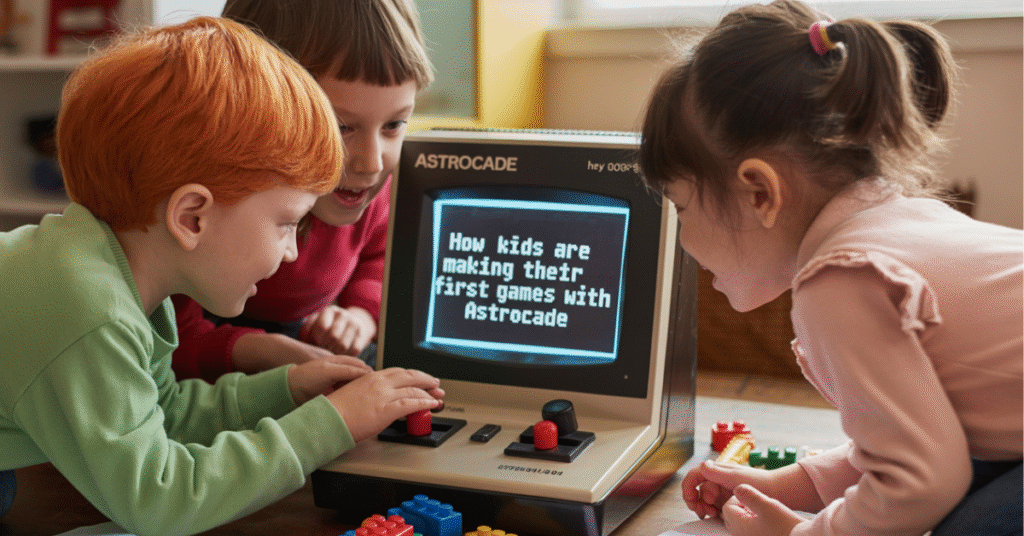
Astrocade is a simple, fun way that kids (and grown-ups) can actually create their own video games. There’s no coding required to begin. Using a simple process, kids can create characters, design levels, and then share their games with friends. It’s for beginners who are making a game for the first time. Sounds cool. So many children are already doing that with Astrocade. It doesn’t feel as though you are learning, but instead playing, which makes it ideal for young creators who are fans of games and stories.
Brocade lets kids pick colorful patterns, create challenge courses, and even play-test their games. They’re learning as they play, and with every game they create, they become more confident and creative.
What is Astrocade?
The Astrocade: A Video Game System and Its Library of Books and Kits. The client: taxpayer belongs to that stack, not for the kids or beginners, and that is exactly where the hypocrisy lies! It’s an enjoyable, engaging application that allows kids to create their own games without having to write complex code. Rather than learning programming the old-fashioned way, kids can dive into game creation through play with colorful tools, characters, and basic game logic.
Unlike mature engines such as Unity or Unreal, Astrocade focuses on visual programming tools and creativity. Everything is like digital blocks you can use to build ideas, and this is why it is the best platform for beginners to make games. It’s hands-on learning that feels more like play than homework.
Easy for Kids to Use
Astrocade was firmly intended for kids from the ground up. With a simple and clean interface full of friendly visuals, this is this kid-friendly app is a fun way to learn math facts. Rather than cluttered menus and intimidating options, parents and kids can get help from prompts and bright icons, and everything is presented easily and simply.
Best of all, children don’t have to slog through boring tutorials or classes to get started. It’s like building a LEGO set, but digitally and intuitively. Because of drag-and-drop coding and easy-to-use game engines, children as young as 6 can create their first game in less than an hour.
How Kids Make a Game
So, how does this all work? Kids begin by selecting a template or starting from scratch. Then, they can add characters, design levels, add sounds, and even build simple logic like “if the player touches this, then that happens.” It’s a fun and visual way to see how games are made with an AI game maker.
One kid might make a platformer with a robot jumping over lava, while another designs a maze where a cat picks up stars. In fact, the way parents are surprised by items kids create, the first games with Astrocade often surprise them. It is remarkable how fast they learn and how quickly they begin to think.
What Kids Learn
To be fair, it seems like play, but kids are learning a lot while doing it. From logic and puzzles to storytelling and art, every game they create offers useful skills. They get to think like designers, debug, and play with creativity.
Real programming concepts such as loops, triggers, and variables are taught, but in a fun and very kid-friendly fashion. These experiences contribute to cultivating an early interest in STEM activities for kids and continue to augment their digital creativity as they mature.
Kids’ Game Stories
Some of the best proof of Astrocade’s impact comes from the games kids have made. An 8-year-old built a space adventure game in which aliens play tag. Another made a game in which her dog had to save stolen pizza slices. The best part? And everything they did was on their own, just by exploring and having fun.
A young creator summed up the experience, “I made a game where my cat saves the world and my friends actually liked playing it!”
Conclusion
Watching children create their first video games is equally thrilling and motivating. However, with Astrocade and other similar platforms, the challenge is not technical but creative, in exploring and having fun. It provides children with a platform to share their ideas, solve challenges, and develop their confidence while acquiring real skills that can mature with them.
If yoúre kids want to be a game designer or just want to play around with games, Astrocade is where to start. It brings the challenges of game development to children in an environment that is friendly, fun, and meaningful. And who knows? Maybe that first game will be the spark for a lifelong love of gaming.
FAQs:
Is Astrocade safe and suitable for younger children?
Yes! Astrocade is made for kids with a kid-friendly UI and none of no unsafe or outside material access. It’s a safe, closed experience that’s really all about learning by playing.
Do you need to have kids learn coding to make games on Astrocade?
No, nothing like that. Astrocade employs the visual programming interface with drag-and-drop blocks , and you don’t have to write any code. It’s suitable for people with no prior experience and makes them learn the essential concepts of programming in an easy and fun manner.
What is the best age to start using Astrocade?
Most children can begin with Astrocade at around ages 7–8, although this is highly dependent on their reading abilities and how interested they are. It’s also really good for tweens and young teens who just want a quiet place to learn game design basics.
Can either parents or teachers participate?
Absolutely. Parents and kids can co-create games, but teachers can use Astrocade in any STEM classroom or open-source code club as a centerpiece. It’s a great way to encourage collaboration and creativity.
Are there instructions or guides to help children start using this?
Yes! Astrocade includes tutorials, starter templates, and step-by-step instructions so kids can learn fast. You can build many games from simply exploring and following visual cues, with no frustration or overwhelm.