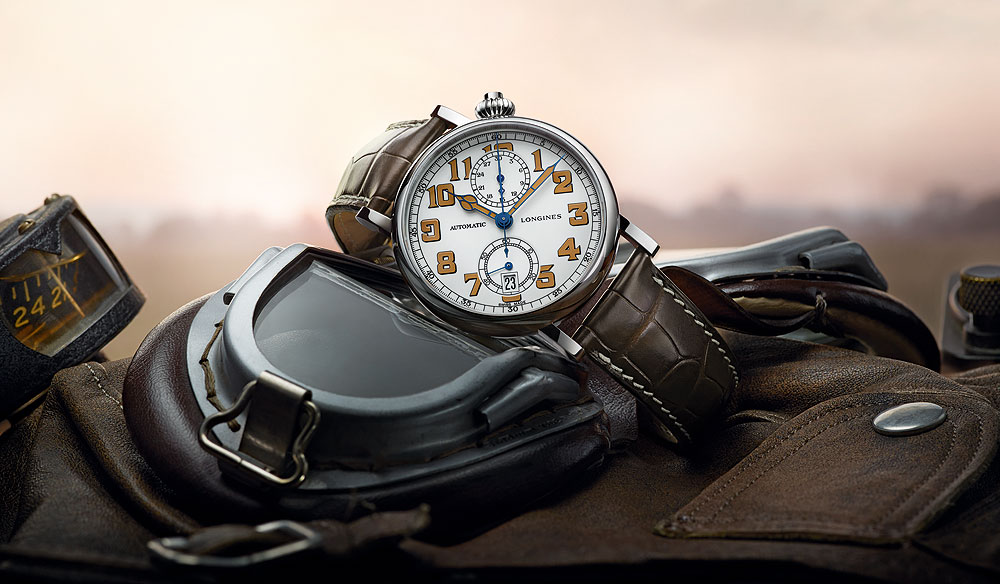
Focus on the intricate details that both photography and horology unveil. Consider investing in a quality timepiece, as its craftsmanship mirrors the precision required in capturing a stunning shot. The intricate mechanisms and meticulous assembly of watches highlight a discipline that resonates deeply with those behind the lens.
Engaging with the minutiae of watch design can enhance one’s understanding of timing in photography. Observe how watchmakers dedicate time to perfecting each component. This dedication translates into photography–each shutter click demands similar attention to detail and precise execution. Emphasizing a methodical approach in both crafts elevates the final outcome, whether it’s a captivating image or a beautifully constructed watch.
Take a moment to reflect on the parallels between these two art forms. Both require a keen eye, patience, and a refined sense of aesthetics. A photographer can gain valuable insights from the world of horology, using it to fine-tune their skills, hone their vision, and elevate their artistry. Exploring these connections not only enriches the creative process but also fosters a deeper appreciation for the craft.
Crafting Timeless Imagery: The Connection to Horology
Consider investing in a timepiece that embodies craftsmanship and detail. This approach mirrors the meticulous nature required in image capturing. Just as a watchmaker fine-tunes every cog, lens selection and composition require precise calibration. A thorough understanding of light and shadow can significantly enhance both fields.
Utilize techniques from horology to refine your artistic process:
- Attention to Detail: Study watch engravings for inspiration on intricate designs that can enhance your visual work.
- Timing: Master timing in both settings and captures; great photographs can hinge on the fleeting moment, akin to the movement of watch hands.
- Mechanical Harmony: Explore the harmony of movements in both mediums. Synchronizing elements can lead to a balanced composition.
Invest in quality materials for your photographic gear, akin to selecting premium components for a luxury watch. Durable equipment results in longevity and reliability, paralleling the attributes of fine timepieces.
Follow these steps to merge both crafts:
- Analyze timepieces closely; observe their intricate design choices and mechanical nuances.
- Experiment with macro photography to highlight the details often overlooked.
- Engage in workshops that focus on both photography and watchmaking to immerse yourself in both crafts.
This exploration not only enhances one’s understanding of artistic creation but also cultivates an appreciation for the meticulous craftsmanship that defines both disciplines.
The Art of Detail: Similarities in Craftsmanship
Focus on the meticulous nature present in both photography and horology. Each discipline demands extraordinary attention to minute components, whether it’s the precise adjustment of a camera or the intricate assembly of a timepiece. Artists in both fields share a commitment to achieving an impeccable end result through deliberate practice and refined techniques.
Consider the tools used by both creators. A camera lens and the gears of a watch both require quality materials and engineering excellence. Just as a photographer chooses lenses based on focal length and aperture, a watchmaker selects alloys and finishes that enhance functionality and aesthetics. This intentional selection informs the quality of the final piece.
Lighting plays a pivotal role in both artworks. For photographers, lighting creates mood and influences composition; for watchmakers, the way light interacts with polished surfaces determines the visual appeal. Reflective quality, like that found on a watch’s face or case, parallels the play of natural light in a photograph, establishing depth and dimension.
Both artisans undergo extensive training to master their craft. Photographers hone their skills through a combination of theory, practice, and critique, mirroring the rigorous apprenticeship that aspiring watchmakers experience. Each strives to understand the nuances of their tools, fostering a deep connection with their craft.
Lastly, the pursuit of perfection links these two vocations. Each image or timepiece represents countless hours of dedication, with a focus on even the tiniest details. The pride in producing a flawless photograph or a masterfully crafted watch reflects the shared aspiration of maintaining high standards and artistic integrity.
Understanding Time: The Role of Timing in Photography
Mastering the art of timing can redefine your photography skills. Capturing a fleeting moment requires awareness of light, movement, and emotion. To enhance your ability to seize the right second, consider the following approaches:
First, use the burst mode function on your camera. This allows you to take multiple images in rapid succession, increasing the likelihood of capturing the precise moment. Evaluate your subject’s movement patterns to anticipate the right instant. For example, when photographing athletes, understand their rhythm to align your shots with pivotal actions, such as a jump or finish line crossing.
Second, familiarize yourself with natural light changes throughout the day. The golden hours–shortly after sunrise and before sunset–offer the best lighting conditions for many compositions. Adapt your shooting schedule around these times to achieve softer, more dynamic images.
Another critical aspect is understanding shutter speed. A faster shutter can freeze action, while a slower speed can create a sense of motion. Experiment with various settings to discover how they impact the story your image tells. For instance, in capturing water flowing or crowds in motion, adjusting your shutter speed can either document every droplet in crisp detail or beautifully blur figures to convey energy.
Lastly, stay attuned to your surroundings. Be ready to react to spontaneous moments that often result in the most authentic photographs. Engaging with your environment and being mindful of its dynamics can lead to unexpected and compelling captures.
For further insight on the significance of timing in photography, check out Wrist Chronicles.
Mechanics of Precision: How Watch Movements Inspire Lens Design
Utilizing intricate mechanisms found in horology can significantly enhance optical engineering. A prime approach is adopting the gear system principles from watches, which allow for smooth transitions in lens movements and focus adjustments. Integrating miniature gears and precision springs into lens assemblies can lead to fluid focal adjustments, mirroring the seamless operation of premium timepieces.
Adapting Movement Mechanics
Consider the escapement of a watch, known for controlling speed and ensuring accuracy. Similar principles can be applied in lens design, where a finely tuned mechanism governs the movement of zoom and focus rings. By employing lightweight materials that mimic the durability of watch components, these systems can maintain stability under various conditions while optimizing performance in fast-paced shooting environments.
Optimizing Tolerances
High-level watchmakers achieve minimal tolerances, leading to remarkable precision. This same attention to detail can be mirrored in optical systems through advanced manufacturing techniques such as CNC machining. Ensuring that each lens element meets strict dimensional specifications minimizes aberrations and enhances image clarity. Utilizing computer-aided design (CAD) software allows for precise simulations to refine these elements before production.
Tools of the Trade: Comparisons of Watchmaking and Photography Equipment
Investing in quality instruments enhances both horology and photography. These crafts demand equipment that guarantees accuracy and reliability, leading to remarkable final products. Below is a comparison of essential tools specific to each field.
| Watchmaking Tools | Photography Equipment |
| Micrometers: Measure tiny components with extreme precision. | Tripods: Stabilize cameras for sharper images, especially in low light. |
| Watchmaker’s Loupe: Magnification allows for detailed inspections of movement. | Lenses: Different focal lengths and apertures cater to various photographic styles. |
| Pin Vises: Hold small parts securely while working. | Filters: Modify light entering the lens, enhancing color and mood. |
| Case Openers: Designed to safely access the interior of timepieces. | Camera Bags: Protect gear from impacts and weather, ensuring longevity. |
| Jeweler’s Screwdrivers: Precision tools for adjusting tiny screws. | Remote Shutter Releases: Enable photography without camera shake. |
Both crafts depend on meticulous craftsmanship and refined tools to capture the essence of their creations. For more insights on camera gear, check out Cameras Review.
Learning from Masters: Influences of Watchmakers on Photographic Techniques
Emulate the meticulous craftsmanship of renowned horologists by applying their principles of accuracy to your photography. Focus on the importance of calibration; ensuring your camera settings are dialed in can significantly enhance image quality. Just as a watchmaker meticulously measures time down to the millisecond, a photographer should measure exposure and focus with similar precision.
Adopting Mechanical Discipline
Study the intricate gear movements within watch mechanisms. This can inspire better understanding of camera mechanics, leading to improved mastery over aperture, shutter speed, and ISO settings. Embrace techniques like double exposure or long exposure, mirroring the layering methods utilized in watch design. Use a tripod or stabilizer as watchmakers use their tools, ensuring stability and minimizing errors during shooting.
The Beauty of Detail
Examine how high-end timepieces highlight craftsmanship; similarly scrutinize your photographs for composition and framing. Pay attention to textures, shadows, and light–elements that a master watchmaker balances flawlessly in their creations. Practicing macro photography can bring the same level of detail found in a finely crafted watch dial, enhancing the viewer’s appreciation for small elements.
Preserving Legacy: Collecting Watches and Cameras as an Artistic Pursuit
Start a collection by focusing on specific brands or models that resonate with your artistic vision. Whether it’s vintage cameras or classic timepieces, aim for items that tell a story and reflect craftsmanship.
Key Aspects to Consider
- Research: Dive into the history of the item. Understand the makers, their techniques, and the evolution of designs. This knowledge adds depth to your collection.
- Condition: Assess the physical state of the items. Look for original parts, minimal wear, and clear functionality. Mint condition can significantly influence value.
- Documentation: Maintain records of acquisitions, purchase dates, and provenance. Certificates, original packaging, and manuals enhance authenticity.
- Networking: Engage with fellow collectors, attend exhibitions, and join online forums. This interaction can lead to valuable insights and opportunities to acquire sought-after pieces.
Synergy Between Art Forms
Both timepieces and cameras require an appreciation for craftsmanship. The intricate designs and mechanics of each can serve as inspiration for creativity in various artistic endeavors. Recognizing parallels between these two pursuits enriches the collection experience.
- Artistic Expression: Use collected cameras to explore different photographic styles. Test various lenses and techniques as you document your collection journey.
- Watch Customization: Personalize timepieces by selecting unique straps or customizing dials to align with your aesthetic preferences.
Ultimately, integrating the principles of collecting both timekeeping devices and photography equipment not only preserves legacy but also elevates artistic pursuits into a profound exploration of craftsmanship, history, and innovation.
Q&A:
What is the connection between photography and watchmaking in terms of precision?
Both photography and watchmaking share a common emphasis on precision and detail. Photographers often appreciate the meticulous craftsmanship involved in creating watches, as it mirrors their own pursuit of capturing perfect images. The intricate mechanics of watch movements can be likened to the careful composition of a photograph, where every element must be in harmony for the final result to be truly remarkable. This appreciation for precision in both crafts creates a bond among enthusiasts who recognize the artistry and skill involved in each discipline.
How do photographers view the craftsmanship involved in watchmaking?
Photographers frequently admire the level of artistry in watchmaking. Each watch is a culmination of hours of labor, technical skill, and design acumen. Just as photographers spend time perfecting their techniques and understanding light, watchmakers dedicate themselves to understanding the mechanics behind timepieces. This respect extends beyond admiration; many photographers see the aesthetic appeal of watches as an extension of their own visual artistry. They find inspiration in the elegant designs and the flawless execution of function and form, which often leads to the fusion of their passions, such as incorporating watches into their photographic work or using the precision of timekeeping as a metaphor in their art.