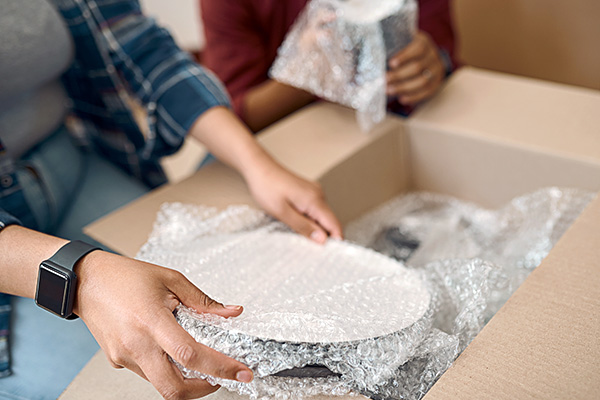
Moving to a new home or office can be exciting, but packing fragile items can be one of the most stressful parts of the process. Ensuring your delicate belongings reach your new destination intact requires planning, care, and the right packing techniques. Whether it’s glassware, artwork, electronics, or ceramics, knowing how to protect each item properly can save you time, money, and frustration.
This comprehensive guide will walk you through how to pack fragile items safely for your move, offering expert tips inspired by the trusted professionals at BC Brothers Moving Company.
1. Gather the Right Packing Supplies
Before packing, ensure you have high-quality materials to protect your breakable belongings. Investing in sturdy supplies can make all the difference.
Essential materials include:
- Double-walled moving boxes in various sizes
- Bubble wrap and packing paper
- Foam sheets or packing peanuts
- Heavy-duty packing tape
- Permanent markers for labeling boxes
- Fragile stickers for easy identification
Always choose smaller boxes for heavy items, such as dishes or glassware, to prevent breakage due to excess weight.
2. Prepare a Safe Packing Area
Create a clean, flat, and clutter-free workspace before you start packing fragile items. Lay out all your supplies within easy reach. This helps minimize accidents and allows you to focus on wrapping items securely.
Pro tip: Line the bottom of your boxes with crumpled packing paper or foam peanuts to create a cushioned base before placing any items inside.
3. Wrap Each Item Individually
When it comes to fragile belongings, individual wrapping is important. Never wrap multiple delicate items together.
- For glassware, wrap each piece with bubble wrap or soft paper, then secure it with tape.
- For plates, wrap each one in packing paper and stack them vertically (like records) inside the box. This reduces pressure on the surface.
- For bowls and cups, nest them with layers of paper between each piece.
Ensure that every fragile item is fully covered with no exposed edges or corners. You can add a second layer of bubble wrap for extra protection.
4. Use Proper Layering Inside the Box
The way you arrange fragile items inside the box greatly impacts their safety.
Follow these steps:
- Add a soft base layer of crumpled paper or foam.
- Place the heaviest items at the bottom.
- Add lighter items on top, separating layers with soft materials.
- Fill empty gaps with crumpled paper or packing peanuts to prevent shifting.
- Add a final protective layer on top before sealing the box.
Every inch of space inside the box should be cushioned. Movement during transit is the biggest cause of breakage, so a snug fit is key.
5. Label Boxes Clearly
Proper labeling makes a huge difference on moving day. Use bold markers to write “FRAGILE” and “THIS SIDE UP” on all sides of the box.
You can also use color-coded labels to identify boxes containing breakable items. This ensures the movers handle them with extra care. If you’re using a reliable service like BC Brothers moving company, clear labeling will help their team place boxes correctly and prevent mishandling.
6. Special Care for Different Types of Fragile Items
a. Glass and Crystal
Wrap each piece individually in bubble wrap and reinforce with tape. Place them in smaller boxes lined with foam or paper. Use cardboard dividers for glasses and stemware.
b. Dishes and Ceramics
Wrap plates in paper and stack them vertically. Add padding between each piece. Use a dish pack box if available for maximum safety.
c. Electronics
Before packing, remove cords and accessories. Wrap screens in anti-static materials and cushion them with soft foam or towels. Use the original packaging if you still have it.
d. Artwork and Mirrors
Wrap artwork in acid-free paper, then bubble wrap. Use corner protectors for frames and place them in flat picture boxes. Label them as “Glass Handle with Care.”
e. Lamps and Shades
Disassemble the lamp, wrap the base and bulb separately, and pack the shade upside down in a box with cushioning material.
7. Don’t Overpack Boxes
Avoid the temptation to fill every inch of the box with items. Overpacking can make boxes too heavy or cause pressure that damages fragile goods.
Keep boxes at a manageable weight and ensure they can close easily without bulging. A well-packed box should feel firm but not strained.
8. Seal and Reinforce the Boxes
Use strong packing tape to seal all seams and corners of the box. Reinforce the bottom with multiple layers of tape to prevent it from opening under pressure.
For valuable or extremely fragile items, double-boxing is an excellent option. Simply place the packed box inside a slightly larger one and fill the surrounding space with cushioning material.
9. Communicate with Your Movers
If you’ve hired professionals like BC Brothers moving company, let them know which boxes contain delicate items. Experienced movers understand how to handle fragile boxes during loading, unloading, and transportation.
They can also offer specialized packing services, ensuring your valuables receive the protection they deserve. This extra communication ensures every item reaches your new home safely.
10. Unpack with Care
Once you arrive at your new place, unpack fragile boxes first and do it in a well-lit, clutter-free space. Handle each item gently, and don’t rush the process.
Unwrap items on a soft surface, like a carpet or blanket, to prevent accidental drops. Take your time to inspect each piece before putting it away.
Final Thoughts
Packing fragile items safely takes time, patience, and the right techniques. Using proper supplies, labeling clearly, and trusting a reputable moving company like BC Brothers Moving Company can make all the difference. With the right approach, your cherished possessions will arrive safely and ready to be enjoyed in your new home.