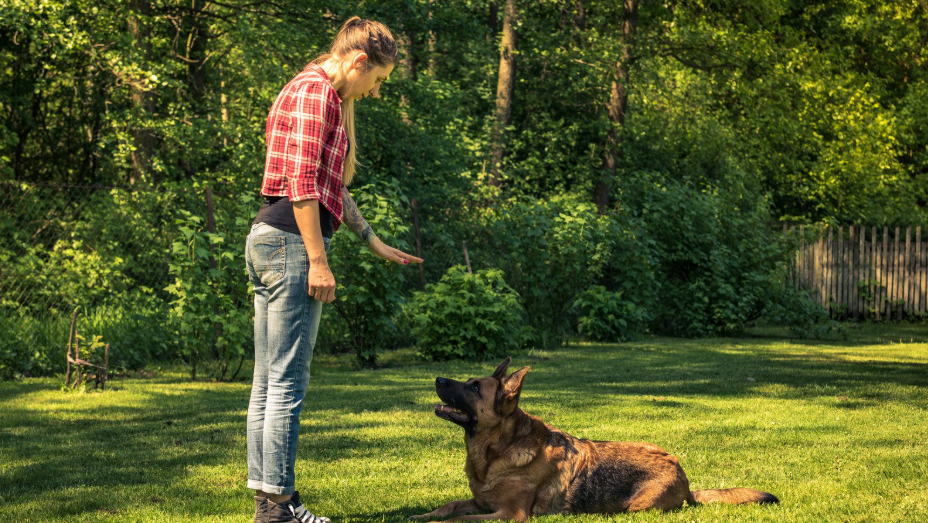
A well-behaved dog doesn’t happen by chance; it develops through structured learning and consistent guidance. Early instruction builds communication, while continued training reinforces reliability in everyday life. Many owners turn to dog training in Buckhead to establish this stability from the beginning. Professional programs focus on long-term behavioral patterns rather than short-term compliance. Dogs learn how to respond calmly, make better choices, and adapt to different environments. This foundation creates balance that lasts well beyond the training period.
Structure Creates Predictability
Dogs thrive when expectations are clear and consistent. Professional training introduces routines and communication patterns that reduce confusion and anxiety. A structured learning environment allows dogs to understand how their actions influence outcomes, which builds confidence and emotional control.
Reinforcing Calm Decision-Making
Trainers focus on impulse control, teaching dogs to pause and think before reacting. Skills like waiting at thresholds, settling on command, and maintaining focus during distractions strengthen emotional regulation. Over time, these responses become automatic rather than forced.
Physical and mental engagement also play a role in stability. Knowing that agility training has a multitude of benefits for your dog helps channel energy into productive behaviors while improving concentration.
Consistency Reduces Problem Behaviors
Unclear boundaries often lead to habits that are difficult to manage later. Professional guidance ensures that expectations remain steady across different situations. When learning happens in a controlled, progressive way, dogs are less likely to develop stress-related behaviors.
Preventing Escalation Through Early Guidance
Jumping, pulling, excessive barking, or reactivity can intensify if not addressed with proper timing and technique. Trainers identify early signs of these tendencies and implement structured corrections before they become ingrained.
Consistency between sessions is equally important. Handlers learn how to maintain the same communication style at home, which reinforces learning and prevents mixed signals. This unified approach accelerates understanding and supports long-term balance.
Adaptability Through Gradual Exposure
Behavioral stability depends on a dog’s ability to function in different environments. Professional programs gradually introduce new distractions and settings. Careful exposure builds confidence while maintaining control, preventing dogs from feeling overwhelmed.
Strengthening Responses in Real-Life Situations
Dogs practice skills in varied locations, around unfamiliar people, and near other animals. This repetition under changing conditions helps behaviors generalize rather than remain tied to one environment.
Trainers also monitor stress signals, adjusting intensity to ensure learning remains positive and productive. This measured progression helps dogs stay composed even when circumstances shift unexpectedly.
Strengthening the Human–Dog Partnership
Reliable behavior is rooted in mutual understanding. Professional training teaches handlers how to communicate clearly and reinforce the right actions at the right time. This shared language reduces frustration and builds trust. Dogs feel secure knowing what’s expected, and handlers gain confidence managing different situations.
Conclusion
Long-term behavioral balance develops through clear structure, steady reinforcement, and progressive exposure to real-world conditions. Professional instruction builds confidence, improves emotional control, and supports dependable responses that remain steady as life changes.