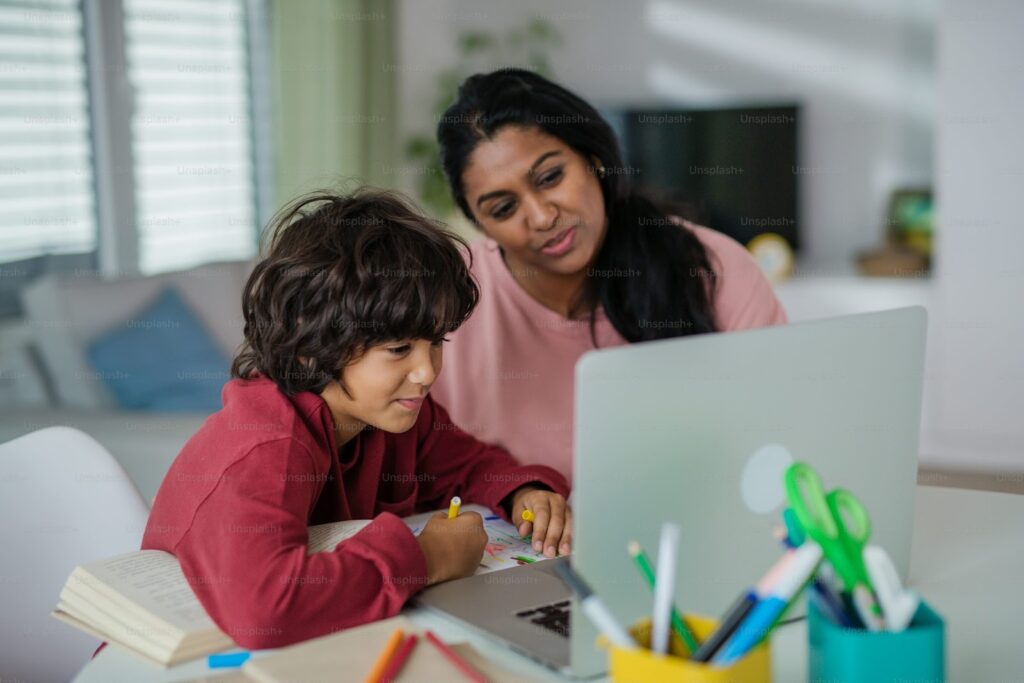
Modern families are rethinking how education fits into daily life, career demands, and global mobility. Many parents are actively searching for the best online school for high school and primary school because traditional timetables no longer match modern routines. Flexible online schooling supports relocation, varied work schedules, and individual learning pace without sacrificing academic standards. Remote education has matured into a credible and structured virtual learning model that aligns with recognized curricula. As education evolves, families are choosing online academic programs that combine stability with adaptability.
Flexible Online Schooling Aligns with Modern Family Lifestyles
Flexible online schooling reflects the realities of contemporary family life, where parents often balance professional commitments with active parenting. Fixed school hours can clash with shift work, entrepreneurship, or international business travel. A virtual learning model allows lessons to be organized around the learner rather than forcing the learner to fit a rigid schedule. This adaptability helps families maintain consistency even during demanding periods. Remote education therefore becomes a practical solution rather than a temporary alternative.
Families who relocate frequently benefit from stable online academic programs that continue regardless of geography. Diplomatic assignments, corporate transfers, and remote working arrangements often disrupt traditional schooling. With a customized curriculum delivered online, children avoid gaps caused by school transfers. Academic records remain centralized and accessible, which supports smoother transitions into examinations or higher education pathways. Continuity strengthens both academic progress and emotional security.
Personalised Learning Pace Enhances Academic Outcomes
Every learner processes information differently, yet conventional classrooms often move at a single pace. Flexible online schooling allows students to revisit complex topics and progress quickly through familiar material. This individual rhythm reduces frustration for advanced learners and anxiety for those who need more reinforcement. A customized curriculum adapts to strengths and weaknesses without isolating the student from structured expectations. Over time, this balanced pacing improves retention and academic confidence.
Parents gain clearer insight into academic development through digital dashboards and teacher feedback systems. Online academic programs typically provide structured lesson plans, assessments, and milestone tracking. Transparent reporting encourages accountability and collaboration between educators and families. Students become active participants in their progress rather than passive recipients of instruction. This engagement reinforces responsibility and self-discipline.
Time Management and Student Independence
One of the strongest advantages of flexible online education solutions is the ability to manage time with intention. Students learn to structure study sessions around peak concentration periods rather than fixed classroom slots. This practice develops planning skills that prepare learners for university and professional environments. Flexible online schooling encourages ownership of deadlines and independent problem-solving. These habits often translate into stronger long-term performance.
Remote education also accommodates extracurricular passions such as sports, music, or creative arts. Talented students frequently struggle to balance intensive training with conventional attendance requirements. A virtual learning model reduces conflict between academic goals and personal development. Families can organize lessons around competitions, rehearsals, or travel without academic disruption. Education becomes integrated with life rather than competing against it.
Academic Consistency Across Borders
Global mobility defines many modern careers, and education must adapt accordingly. Online academic programs maintain continuity whether a family resides in London, Dubai, or Cape Town. Recognized curricula delivered through remote education platforms ensure that academic standards remain consistent. This structure reduces the uncertainty that can accompany international relocation. Students retain access to qualified teachers and structured assessments regardless of location.

The virtual learning model also simplifies reintegration into physical schools if circumstances change. Comprehensive records and documented coursework provide evidence of completed studies. This transparency supports admissions decisions and academic placement evaluations. Flexible online schooling therefore safeguards educational progression even during life transitions. Stability fosters resilience and confidence in both students and parents.
Emotional Comfort and Psychological Well-Being
Learning from home can offer emotional stability for students who experience social anxiety or sensory overload in crowded environments. Flexible online schooling reduces exposure to common stressors such as bullying or long commutes. A calm learning environment supports concentration and mental well-being. When students feel secure, cognitive performance often improves. Emotional comfort forms a foundation for academic success.
Remote education also strengthens family connection during formative years. Parents can observe teaching methods and better understand curriculum expectations. This proximity encourages meaningful dialogue about progress and challenges. Rather than separating academic and home life completely, the virtual learning model integrates them thoughtfully. A supportive environment promotes confidence and independence.
Structured Technology and Educational Credibility
Modern online academic programs rely on secure platforms, qualified teachers, and structured assessment frameworks. This infrastructure ensures that flexible online schooling maintains academic rigor comparable to traditional settings. Accredited curricula and documented grading processes align with recognized examination boards. Transparency builds trust and meets international educational standards. Families can therefore make informed decisions grounded in credible information.
Technology also enables interactive elements that enhance engagement. Live classes, recorded sessions, and collaborative digital tools create varied learning experiences. Students participate in discussions, submit assignments electronically, and receive timely feedback. Remote education has evolved beyond simple video lessons into comprehensive ecosystems. When implemented responsibly, this virtual learning model supports both academic excellence and digital literacy.
Preparing Learners for a Digital Future
The workplace increasingly demands digital fluency, adaptability, and self-management. Flexible online schooling mirrors these expectations by teaching students to navigate digital platforms confidently. Managing assignments, communicating online, and researching independently cultivate essential professional skills. A customized curriculum delivered through online academic programs reflects real-world working conditions. Students therefore gain practical competencies alongside subject knowledge.
Remote education also fosters global awareness by connecting learners with peers and teachers across regions. Exposure to diverse perspectives enriches academic discussions and cultural understanding. The virtual learning model can incorporate international case studies and collaborative projects. This broader context prepares students for higher education and multinational careers. Education becomes both academically rigorous and globally relevant.
Flexible online schooling is no longer an experimental alternative but a structured response to modern realities. Families value adaptability, continuity, and emotional well-being as much as examination results. A carefully designed, customized curriculum delivered through remote education meets these expectations without compromising standards. Online academic programs continue to evolve through technology and pedagogical refinement. As education progresses, flexible models are likely to shape how future generations learn and thrive.