
Every electronics hobbyist knows the frustration of spending hours perfecting a circuit design, only to have it plagued by unwanted noise that ruins performance. Whether you’re building an audio amplifier that hisses or an RF receiver that picks up interference, noise can turn an exciting project into a disappointing failure. Adding to this challenge is the struggle to find quality low noise transistors without breaking the bank. Many suppliers charge premium prices for components that should be affordable, forcing hobbyists to choose between their budget and their project’s success. In this article, we’ll explore what makes low noise transistors essential for your electronics projects, guide you through selecting the right components for your specific needs, and show you exactly how to maximize savings while maintaining the quality your projects deserve.
Understanding Low Noise Transistors and Their Importance in Electronics
Low noise transistors are specialized semiconductor devices engineered to minimize electrical noise during signal amplification. Unlike standard transistors that may introduce unwanted interference, these components feature optimized internal structures and carefully selected materials that reduce random voltage fluctuations. The primary distinction lies in their noise figure—a measurement expressed in decibels that quantifies how much noise the transistor adds to a signal passing through it. A lower noise figure means cleaner signal processing, which directly translates to better performance in sensitive applications.
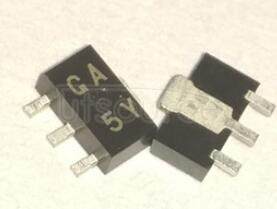
Noise reduction becomes critical when working with weak signals that need amplification without degradation. In audio amplifiers, excessive noise manifests as audible hissing or humming that masks subtle musical details, turning what should be crisp sound reproduction into muddy output. For RF circuits like radio receivers or communication devices, noise can bury faint signals beneath a blanket of interference, reducing reception range and clarity. Medical sensor circuits, precision measurement equipment, and low-light imaging systems also depend heavily on low noise transistors to detect and process delicate signals accurately. Even modest improvements in noise performance can mean the difference between a circuit that barely functions and one that exceeds expectations, making these electronic components indispensable for projects where signal integrity matters most.
How to Choose the Right Low Noise Transistor for Your Projects
Selecting the appropriate low noise transistor requires balancing several technical parameters against your project’s specific demands. The noise figure remains your primary consideration—measured in decibels, it indicates how much noise the transistor adds to your signal. For audio applications, aim for noise figures below 2dB, while RF receivers working with very weak signals may require figures under 1dB. Gain, or how much the transistor amplifies your signal, must match your circuit’s needs without causing instability. Frequency response determines whether the transistor can handle your signal’s bandwidth—audio projects typically need components rated for 20Hz to 20kHz, while RF circuits may require operation in the megahertz or gigahertz range. Power requirements matter too; ensure your chosen transistor can handle the voltage and current your circuit supplies without overheating or failing.
Decoding Transistor Specifications for Hobbyists
Datasheets initially appear intimidating but focus on key sections to simplify selection. The absolute maximum ratings table shows voltage, current, and temperature limits you must never exceed. Look for typical operating conditions that match your intended use, then check the noise figure specification at your target frequency. Pay attention to the collector current (Ic) value where noise measurements were taken, as performance varies with operating point. The gain-bandwidth product reveals frequency limitations, while package type affects heat dissipation and PCB layout requirements.
Practical Selection Scenarios and Examples
For a microphone preamplifier operating at room temperature with signals below 100kHz, a general-purpose BJT like the BC549C offers excellent noise performance at minimal cost. Building an FM radio receiver around 100MHz demands something like the BFR93A, which combines low noise with high-frequency capability. When designing sensor interfaces that amplify microvolt-level signals, consider matched pairs or specialized low-noise JFETs that provide superior performance despite higher costs. Always verify that your chosen component’s specifications align with your power supply voltage and expected signal levels to avoid common pitfalls like inadequate headroom or bias point mismatches that compromise noise performance.
Smart Strategies for Sourcing Affordable Electronic Components
Finding quality low noise transistors at reasonable prices requires knowing where to look and how to evaluate suppliers effectively. Online electronics marketplaces have revolutionized component sourcing by connecting buyers directly with manufacturers and authorized distributors, cutting out middlemen who inflate costs unnecessarily. Hobbyists consistently find prices 20-40% lower than traditional electronics retailers for identical components when shopping through established platforms. Quality assurance distinguishes reputable suppliers from questionable marketplaces where counterfeit parts lurk, so prioritize platforms that verify suppliers and implement quality control measures to ensure authentic components reach your workbench.
When evaluating potential suppliers, look for extensive inventories spanning thousands of transistor types, including specialized low noise variants that smaller retailers often don’t stock. This breadth means you can source everything from common BJTs to specialized RF transistors in one place, eliminating the need to juggle multiple suppliers and shipping costs. User reviews and ratings provide additional transparency, letting you learn from others’ experiences before committing to a purchase. Platforms like Utsource offer intuitive search functions, detailed filtering options, and comprehensive product pages that display specifications clearly, making component hunting more efficient for hobbyists working within budget constraints.
Navigating Online Platforms for Low Noise Transistors
Finding the right low noise transistor begins with effective search strategies—enter specific part numbers if you know them, or use descriptive terms like “low noise BJT” or “RF transistor” for broader results. Filter options help narrow results by parameters including package type, voltage rating, and current capacity, eliminating unsuitable options quickly. Product pages should contain datasheets, application notes, and stock availability, giving you complete information before purchase. Bookmark frequently needed components to streamline future orders and track price changes over time.
Step-by-Step Guide to Maximizing Savings on Low Noise Transistors
Maximizing savings starts with thorough research before adding anything to your cart. Begin by identifying the exact transistor specifications your project requires, then search using both specific part numbers and general categories to compare options. Create a shortlist of components that meet your technical needs, then examine pricing across different package quantities—buying five transistors instead of one often reduces per-unit cost significantly. Check each product page for stock levels and estimated delivery times to avoid delays that might force you into expensive rush shipping later.
Once you’ve identified suitable components, verify compatibility by cross-referencing datasheets with your circuit design. Confirm that voltage ratings, current handling, and package types match your PCB layout and power supply specifications. Before finalizing your order, scan for active discounts or coupon codes that apply to your selected items. Combining multiple components into a single order reduces shipping costs proportionally, so consider purchasing other needed spare parts simultaneously rather than placing separate orders. Review your cart carefully to ensure quantities are correct, then proceed through checkout using the most economical shipping method that meets your project timeline.
Finding Best Deals and Discounts
Electronics suppliers regularly feature promotional campaigns tied to holidays, product launches, or inventory clearances that slash prices on components. Subscribe to newsletters to receive advance notice of upcoming sales and exclusive discount codes sent directly to your inbox. “Hot Deals” sections highlight time-limited offers on popular components, including low noise transistors that other buyers frequently purchase. Setting up price alerts for specific part numbers notifies you when costs drop below your target threshold, letting you buy transistors at optimal moments.
Ensuring Quality and Compatibility When Purchasing Components
Customer reviews provide invaluable insights into component authenticity and supplier reliability—prioritize products with multiple positive ratings from verified purchasers. Download and examine datasheets thoroughly before purchasing to confirm specifications match your requirements exactly, preventing expensive mistakes from wrong-part orders. Understanding return policies protects against defective components, saving hassle if issues arise. For first-time purchases of unfamiliar transistor types, consider ordering small quantities initially to test performance in your circuit before committing to bulk purchases that lock in savings.
Smart Purchasing for Better Electronics Projects
Low noise transistors represent essential components for electronics hobbyists who refuse to compromise signal quality in their projects. Understanding the fundamental differences between standard and low noise variants empowers you to make informed decisions that elevate your circuits from mediocre to exceptional. Selecting the right transistor involves carefully matching noise figures, frequency response, and power requirements to your specific application, whether you’re building audio equipment, RF receivers, or precision measurement devices. Modern online platforms eliminate the traditional barrier between quality components and affordable pricing, offering extensive inventories of low noise transistors at costs significantly below conventional retailers. By following the step-by-step strategies outlined in this article—researching specifications thoroughly, comparing options across platforms, leveraging bulk purchasing and promotional discounts, and verifying compatibility before checkout—you can consistently save 20-40% on components without sacrificing performance. The combination of smart selection practices and strategic purchasing transforms budget constraints from project limitations into opportunities for building more circuits with the same resources. Explore available options today to discover how accessible premium electronic components can be when you know where to look and how to buy intelligently.