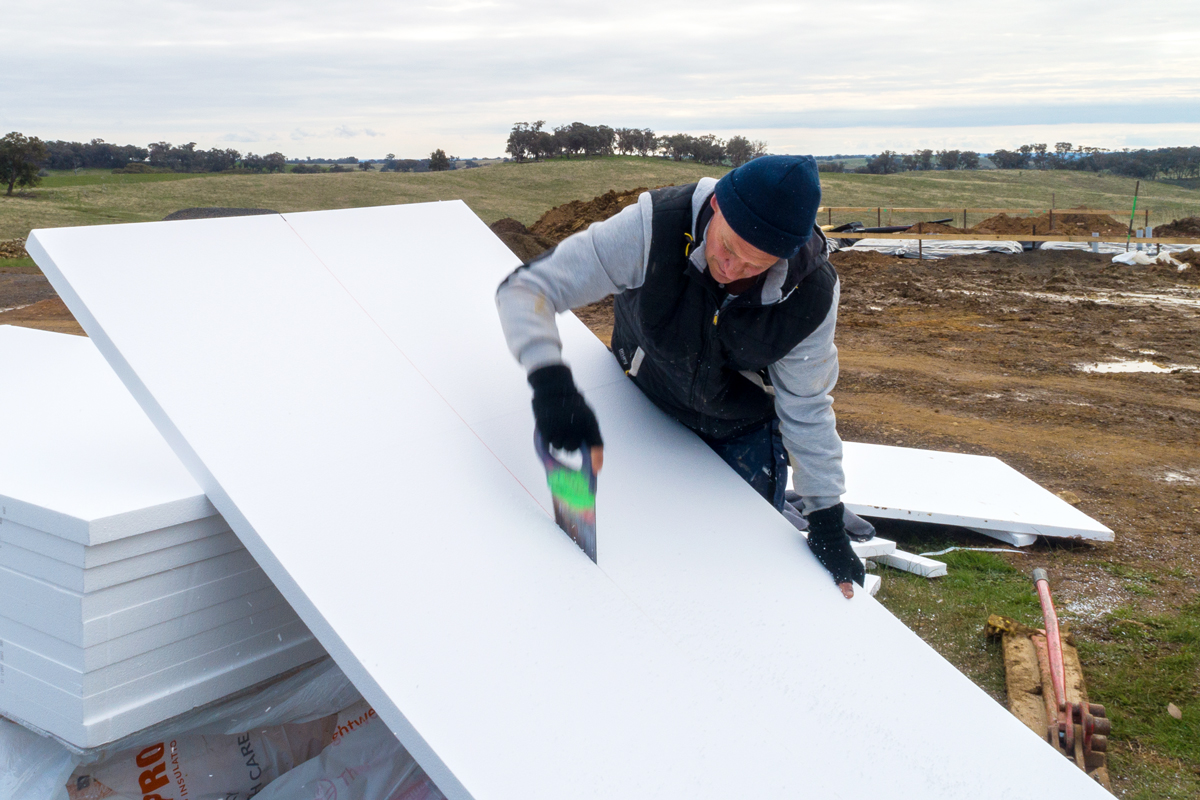
As the world moves towards more energy-efficient and eco-friendly building solutions, insulation remains a vital aspect of modern construction. One material that has gained prominence for its insulation properties is expanded polystyrene foam (EPS). EPS is a lightweight yet strong material that offers excellent thermal insulation and has become a go-to choice for many eco-conscious builders and homeowners.
The Rise of Expanded Polystyrene Foam Insulation
Insulation plays a critical role in minimising energy consumption and ensuring indoor comfort. Expanded polystyrene foam has surfaced as a frontrunner in the insulation industry, thanks to its unique characteristics. It brings together affordability, thermal prowess, and a remarkably low carbon footprint.
Consisting of 98% air, EPS is incredibly light, which makes it easy to handle and install. Despite its weight, EPS provides impressive structural integrity and durability. These properties have spurred its widespread use, not just in insulation, but also in packaging, automotive components, and flotation devices, among others.
Advantages of Using EPS as Insulation Material
One of the primary advantages of expanded polystyrene foam is its thermal efficiency. The material’s cellular structure comprises small pockets of air, which impede heat flow. This characteristic ensures that buildings insulated with EPS maintain a consistent temperature, enhancing inhabitants’ comfort and reducing the need for heating and cooling systems.
Beyond its thermal capabilities, EPS is known for its moisture resistance. Unlike some other insulation materials, expanded polystyrene does not absorb water, which helps to prevent the growth of mould and fungi. This aspect is crucial for maintaining a healthy indoor environment, particularly in regions prone to high humidity or flooding.
Sustainability is another key factor contributing to the appeal of EPS. The material is recyclable and, when properly managed, has a lifecycle that supports eco-friendly building standards. Builders and environmentally-minded individuals often choose EPS as a way of ensuring their projects are not only energy-efficient but also in line with sustainability goals.
Environmental Impacts and Recycling Efforts
Despite its many benefits, there have been concerns regarding the environmental impact of EPS due to its petroleum-based composition. However, the industry has made significant strides in enhancing the recyclability and waste management of EPS. Specialised recycling programmes now exist that convert used EPS into new products, thereby reducing landfill waste and conserving resources.
The construction industry, in particular, has been proactive in utilising EPS offcuts and waste, ensuring that production efficiency is maximised while environmental impact is minimised. The recyclability of EPS bolsters its reputation as a sustainable insulation material.
Installing EPS Insulation for Optimal Benefit
The installation process of EPS insulation is critical to its performance. To achieve the best thermal results, the material must be installed to a professional standard, ensuring that gaps and thermal bridges are eliminated. Builders should always follow manufacturer guidelines and local building codes to ensure that EPS is employed safely and effectively.
Additionally, utilising EPS as part of a well-designed building envelope contributes to the overall energy efficiency of a structure. When combined with other energy-saving measures – such as efficient windows, doors, and roofing materials – EPS insulation can play a substantial role in reducing the carbon footprint of new buildings and renovations alike.
Considerations for Choosing EPS Insulation
When selecting insulation materials, several factors should be taken into account, such as R-value, fire performance, and environmental impact. EPS scores well in these areas, providing high insulation values per unit of thickness, meeting stringent fire safety standards, and, as previously mentioned, offering a path for sustainability through recycling.
Nevertheless, it is crucial to consider the specific requirements of each construction project. For instance, the climatic conditions of the area, the design of the building, and local building regulations may all influence the choice to use EPS. Professional advice from architects or sustainability consultants can assist in making the best decisions for individual projects.
Looking to the Future of Insulation
As technology advances, expanded polystyrene foam continues to be improved and refined, ensuring its place as a key player in the insulation industry. Innovations in EPS production and recycling are making it even more sustainable and efficient, which bodes well for its future usage.
Furthermore, with a global emphasis on reducing energy use and minimising environmental impact, materials like EPS will be more important than ever in designing buildings that are not only comfortable and cost-effective but also environmentally responsible.
Conclusion
Expanded polystyrene foam stands as a dynamic and sustainable insulation solution, offering a harmony of strength, thermal efficiency, and eco-friendliness. As we strive for greener building practices, the role of EPS in construction is set to expand, providing architects, builders, and homeowners with a reliable material that aligns with contemporary energy efficiency and sustainability targets. Proficient use of EPS insulation can make a significant difference in the environmental footprint of buildings, which is crucial for a more sustainable future.
It is clear that as we continue our transition towards greener and more sustainable living spaces, the versatility and advantages of EPS will likely earn it a definitive place in the construction industry for the foreseeable future.