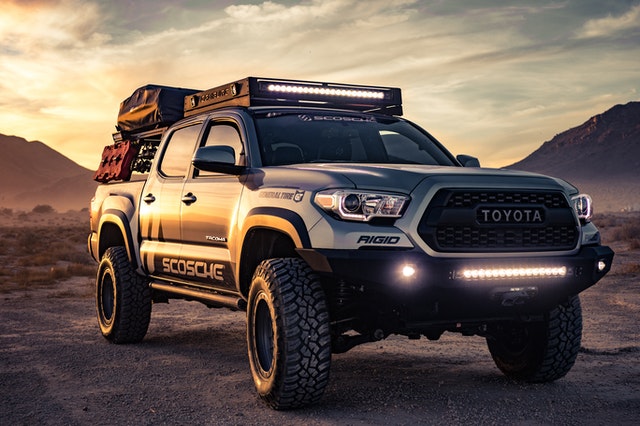
Seconds can mean everything when emergency services respond to a call. Whether it’s firefighters rushing into a burning building, paramedics navigating busy streets, or police securing a chaotic scene, clear signaling and optimal visibility are absolutely essential. Traditionally, light bars for trucks and sirens have played a key role, but technological advances in smart lighting systems are quickly reshaping emergency response.
This post explores the technology behind smart lighting for emergency vehicles, how these systems improve safety and communication, and why they’re becoming an industry standard. If you’re interested in how public safety teams can become faster and more effective, read on to learn how light innovation saves lives.
The Shift to Smart Lighting in Emergency Services
Why Traditional Lighting Falls Short
Emergency vehicles have long relied on strobing lights and sirens to get attention and clear a path. Basic light bars for trucks or ambulances are bright, but not always adaptive. Sometimes, intense or unfocused lights can cause glare or confusion, especially in adverse weather, heavy traffic, or complex urban settings.
What Makes a Lighting System ‘Smart’?
Unlike static systems, smart lighting uses sensors, connectivity, and automation to continuously adapt to different scenarios. Features commonly found in modern smart lighting for emergency response include:
- Automated brightness adjustment for day or night
- Directional light control to reduce glare and focus attention
- Integration with GPS and dispatch systems for real-time updates
- Programmable flash patterns that communicate different types of emergencies
- Wireless syncing between vehicles and even infrastructure (such as traffic signals) to improve coordination
These advances mean smarter signaling, safer navigation, and a more effective way to warn and direct the public.
Key Advantages of Smart Lighting Systems
Faster Routes, Better Navigation
Smart lighting can interface directly with navigation apps or traffic-management systems. For example, when connected to city infrastructure, an emergency vehicle’s lights can trigger green lights along its route or alert other drivers miles ahead using dynamic signage. Response crews save precious time and avoid risky moves in traffic.
Enhanced Safety for All
The safety of emergency responders and the public is always at stake. Smart lights automatically boost brightness in low visibility conditions, such as fog or nighttime. They also reduce intensity during close-quarter work to protect responders’ eyesight and prevent distraction. Directional controls pinpoint where light is needed, illuminating hazards without overwhelming everyone on scene.
Clear Communication During High-Stress Events
Not all emergencies are the same. Advanced lighting systems allow for programmable light patterns—think alternating colors or specific flash sequences—to signal different situations (such as immediate evacuation, hazardous materials presence, or accident scene safety zones). This visual communication helps other responders, bystanders, and even drones understand what’s happening, reducing confusion and improving coordination.
Real-Time Monitoring and Remote Control
Command centers can monitor lighting system health and settings in real time. Through centralized dashboards, dispatchers can remotely customize lighting patterns for groups of vehicles or adapt them instantly if the situation evolves. If a responder is working alone, the system can be pre-programmed to signal for backup or escalate alerts if no input is detected.
Lower Stress, Fewer Mistakes
Lighting is not just about being seen; it also supports responder wellbeing. Softer white lighting at accident scenes or in triage areas reduces eye strain and allows more accurate color recognition (critical for medical teams). Automated systems mean less manual fiddling, helping crews stay focused on their tasks—not their equipment.
Applications Beyond the Obvious
Integrated Response in Disasters
Large-scale emergencies such as hurricanes, wildfires, and multi-vehicle pileups require coordination between agencies. With smart lighting, different departments can program distinct colors or signaling patterns, enabling seamless multi-agency collaboration even in high-noise environments.
Urban Versus Rural Challenges
City streets come with congestion, complex intersections, and unpredictable pedestrians. Smart lighting systems use connected sensors to adjust patterns and brightness based on traffic density and time of day. Rural areas may lack infrastructure, but vehicle-to-vehicle communication ensures responder convoys remain visible to one another across long, dark roads.
Cost and Maintenance Savings
Though initial investment is higher, smart lighting systems last longer thanks to efficient LED technology and robust design. Remote diagnostics mean minor issues are caught before turning into costly failures, saving money in maintenance and downtime.
The Future Is Bright for Emergency Lighting
Technology will continue to shape emergency responses in ways we can only imagine. Soon, we may see vehicle lights that communicate directly with smart cars to create temporary car-free corridors, or drone-operated lights that build makeshift landing zones for medevacs.
Artificial intelligence can further refine light patterns and timing based on the specific context of each emergency. Integration with wearable tech could even allow lights to track responder movement, offering personalized illumination and keeping everyone safer.
Lighting the Way to Safer Responses
Smart lighting systems represent a leap forward in emergency response, building on decades of incremental improvement to deliver real reliability, adaptability, and clarity. These systems help responders move faster, communicate better, and reduce risk—for themselves and those they serve.
Driving innovation in emergency services means every second saved could be a life saved. If you’re involved in fleet management, city planning, or public safety, it’s time to look beyond conventional light bars for trucks. Invest in brighter, smarter tools that keep our communities safer every day.